
Enhancing Traffic Safety Through Road Line Painting Practices
The Importance of Road Line Painting for Traffic Safety
Road line painting plays a crucial role in maintaining order and safety on our roads. These painted lines serve as visual cues that guide drivers, pedestrians, and cyclists, helping to prevent accidents and ensure smooth traffic flow.
Enhancing Visibility and Clarity
One of the primary functions of road line painting is to enhance visibility for road users. Clear and well-maintained lines make it easier for drivers to stay in their lanes, navigate intersections, and understand the rules of the road.
Improving Traffic Flow
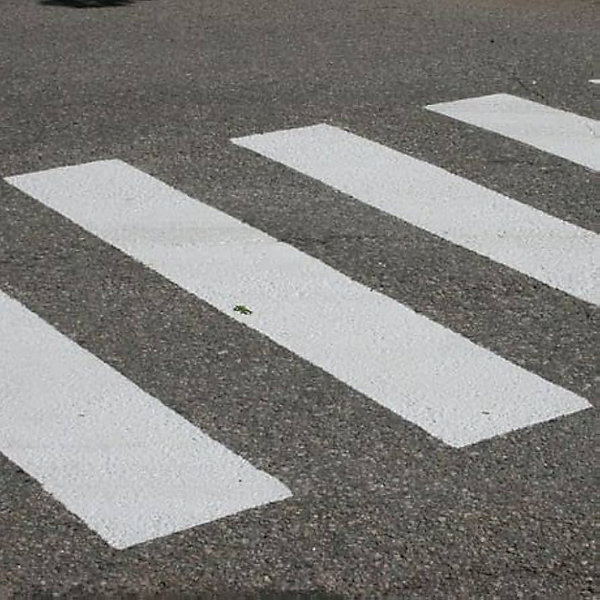
By delineating lanes, indicating turning points, and marking pedestrian crossings, road line painting helps to improve traffic flow. When drivers have clear guidance on where they should be on the road, congestion is reduced, and the risk of accidents decreases.
Enhancing Safety for Vulnerable Road Users
Road line painting is especially important for vulnerable road users such as pedestrians and cyclists. Clearly marked crosswalks, cycle lanes, and shared paths help these users navigate safely through traffic and reduce the likelihood of collisions with vehicles.
Maintaining Infrastructure Integrity
Regular maintenance of road line painting is essential to preserving the integrity of our infrastructure. Faded or worn-out lines can lead to confusion among road users and compromise safety. By repainting lines when needed, authorities can ensure that roads remain safe and efficient.
Compliance with Regulations
Proper road line painting also helps authorities comply with regulations regarding road markings. Meeting established standards for line width, colour, placement, and signage not only enhances safety but also ensures legal compliance with traffic laws.
In conclusion, road line painting is a fundamental aspect of traffic safety that should not be overlooked. By investing in high-quality paint materials, skilled professionals, and regular maintenance schedules, we can create safer roads for all users.
Understanding Road Line Painting: Common Questions Answered
- Is it illegal to paint road markings?
- How do they paint road lines?
- Who is responsible for painting road lines?
- Is line marking spray permanent?
- What type of paint is used for road lines?
- What is the best paint for road lines?
- What is road line paint?
- What kind of paint is used on roads?
Is it illegal to paint road markings?
It is important to note that painting road markings without proper authorisation or expertise can be illegal and potentially dangerous. Road markings are a crucial part of traffic management and safety, and they must adhere to specific regulations and standards set by local authorities. Any unauthorised or incorrect road markings can confuse road users, compromise traffic flow, and increase the risk of accidents. Therefore, it is essential to consult with professional road marking services or relevant authorities before undertaking any road painting activities to ensure compliance with the law and maintain road safety for all.
How do they paint road lines?
Road line painting is a meticulous process that involves several steps to ensure precision and durability. First, the road surface is cleaned and prepared to create a smooth canvas for the paint. Then, specialised equipment such as road striping machines are used to apply the paint in straight lines or patterns according to specific road markings guidelines. The paint used is typically a durable and reflective material that enhances visibility, especially in low-light conditions. Once the lines are painted, they need time to dry and cure properly before being opened to traffic. Regular maintenance and repainting are essential to keep road lines clear and effective in guiding road users safely.
Who is responsible for painting road lines?
The responsibility for painting road lines typically falls on local government authorities or highway maintenance agencies. These organisations are tasked with ensuring that road markings are clear, visible, and compliant with regulations to maintain safety and order on the roads. Professional road marking companies are often contracted to carry out the actual painting work, using specialised equipment and high-quality materials to create durable and effective markings. Regular maintenance and repainting schedules are essential to uphold the integrity of road lines and ensure optimal visibility for all road users.
Is line marking spray permanent?
Line marking spray used for road line painting is not permanent. While it is designed to be durable and long-lasting, factors such as traffic volume, weather conditions, and road surface quality can affect the lifespan of line markings. Over time, the painted lines may fade or wear down, requiring maintenance or reapplication to ensure visibility and effectiveness. Regular upkeep and periodic re-marking are essential to keep road markings clear and functional for the safety of all road users.
What type of paint is used for road lines?
Road lines on roads are typically painted using specialised road marking paint that is designed to withstand heavy traffic and harsh weather conditions. This type of paint is usually a durable and quick-drying thermoplastic material that adheres well to asphalt and concrete surfaces. Road marking paints come in various colours, with white and yellow being the most common for standard road markings. These paints are formulated to provide high visibility, excellent reflectivity at night, and durability to ensure long-lasting road markings that enhance traffic safety for all road users.
What is the best paint for road lines?
When it comes to road line painting, choosing the best paint is essential for long-lasting and visible markings. The best paint for road lines is typically a durable and highly reflective type of paint that can withstand heavy traffic, harsh weather conditions, and UV exposure. Acrylic-based paints are commonly used for road markings due to their excellent adhesion properties and resistance to fading. Thermoplastic paints are also popular for their durability and reflective qualities, making them ideal for enhancing visibility, especially during nighttime or adverse weather conditions. Selecting the right type of paint is crucial to ensuring that road lines remain clear, safe, and effective in guiding road users.
What is road line paint?
Road line paint, also known as road marking paint, is a specially formulated type of paint used to create visible markings on roads and highways. These markings serve as essential visual cues for road users, helping to delineate lanes, indicate turning points, highlight pedestrian crossings, and convey important traffic regulations. Road line paint is designed to be highly durable and reflective to ensure visibility in various lighting conditions. It plays a critical role in enhancing traffic safety, guiding drivers effectively, and maintaining order on the roads.
What kind of paint is used on roads?
The type of paint commonly used on roads is known as thermoplastic paint. Thermoplastic paint is a durable and long-lasting material that is applied to road surfaces to create clear and visible markings. It is preferred for its ability to withstand heavy traffic, harsh weather conditions, and UV exposure, ensuring that road markings remain intact and highly visible for an extended period. Thermoplastic paint also offers quick drying times, making it an efficient choice for road line painting projects that require minimal disruption to traffic flow.