
Portable Traffic Lights: A Guide for UK Roadworks
Portable Traffic Lights: A Guide for UK Roadworks
Portable traffic lights help manage traffic safely when roadworks, maintenance or other temporary disruptions affect the usual flow of vehicles. By controlling who can proceed and when, they can keep traffic moving through a restricted area while giving workers and road users a clear, predictable system to follow.
What are portable traffic lights?
Portable traffic lights are temporary signal systems that can be installed at locations where permanent signals are unavailable or unsuitable. They are commonly used around roadworks, utility repairs, construction sites and temporary access points. Depending on the layout, the system may control traffic travelling in alternating directions through a single-lane section, or manage a junction or site entrance.
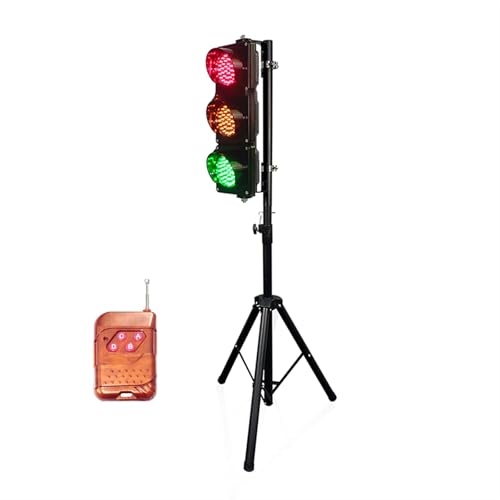
Many systems use signal heads mounted on portable units, with the lights coordinated electronically. Some can be operated remotely or adjusted to respond to changing traffic conditions. The right arrangement depends on the road, the length of the restricted section, traffic levels and the duration of the work.
Where are they used?
Portable traffic lights may be appropriate for a range of temporary traffic-management situations, including:
- Roadworks that reduce a road to one lane
- Utility works involving excavation or repairs in the carriageway
- Temporary closures or restrictions near construction sites
- Maintenance work on bridges and other structures
- Managing vehicles entering or leaving a worksite
They are not suitable for every location. Narrow roads, busy junctions, pedestrian routes and areas with limited visibility may need a different approach or additional traffic-management measures.
How do portable traffic lights work?
At a basic level, the lights assign a controlled period for each direction of traffic to move through the restricted area. When one direction receives a green signal, traffic from the other direction is held at a red signal. The timing must allow vehicles to pass through safely and clear the controlled section before the opposing direction is released.
Settings should take account of the distance between the signals, expected traffic volumes, road layout and any queues that could form. Poorly planned timings can cause unnecessary delays or, more seriously, create a risk of vehicles meeting within a single-lane section. A competent traffic-management provider can assess the site and select suitable equipment and settings.
Planning and safety considerations
Before portable traffic lights are installed, the work area should be assessed and a suitable traffic-management plan prepared. This may involve considering:
- Road width, visibility and the length of the restricted section
- Traffic volumes, vehicle types and likely queue lengths
- Access for pedestrians, cyclists and people with mobility needs
- Nearby junctions, driveways, bus stops and emergency-service routes
- Signage, cones, barriers and safe working space for site personnel
- Whether the installation requires approval or coordination with the relevant highway authority
Signals should be positioned so that road users can see them clearly and have enough distance to stop safely. The equipment should be checked and maintained throughout the work, and the arrangement may need to be reviewed if traffic conditions or the worksite change. Temporary traffic signals must be used in accordance with applicable requirements and the instructions of the relevant authorities.
Hiring or buying portable traffic lights
Hiring can be a practical choice for short-term projects or businesses that need signals only occasionally. It may also provide access to equipment, setup support and servicing without the cost of ownership. Buying may be worth considering for organisations with frequent, ongoing requirements and staff who are trained to manage the equipment.
When comparing options, consider more than the hire or purchase price. Check what is included, such as delivery, installation, maintenance, technical support and collection. It is also important to ensure that the supplier can advise on the equipment and configuration appropriate for the site.
Choosing a traffic-management provider
A reliable provider should be able to discuss the site, explain the proposed traffic-management arrangements and identify any practical constraints before work begins. Ask about relevant experience, equipment checks, response arrangements and how the installation will be monitored during the project.
Keeping traffic moving safely
Portable traffic lights are a useful way to control vehicle movements where temporary work affects the road. Their effectiveness depends on careful planning, suitable equipment and clear communication with road users. With the right assessment and traffic-management arrangements, they can help protect workers and the public while minimising disruption.
Essential FAQs About Portable Traffic Lights in the UK: Usage, Costs, Permissions, and Safety
- What are portable traffic lights and how do they work?
- When are portable traffic lights used?
- How much does it cost to hire portable traffic lights in the UK?
- Do I need permission to use portable traffic lights on a public road?
- Who is responsible for setting up and maintaining portable traffic lights?
- How are portable traffic lights timed to manage traffic safely?
- What should drivers do when approaching portable traffic lights?
What are portable traffic lights and how do they work?
Portable traffic lights are temporary signal systems used to control traffic safely around roadworks, maintenance and other disruptions. They are often installed where a road is narrowed to one lane, coordinating signals at each end so vehicles travel through the restricted section in turn. The lights use red, amber and green signals to tell drivers when to stop and when it is safe to proceed. Their timing and positioning should be planned for the site’s layout, visibility and traffic levels to help prevent conflicting movements and reduce delays.
When are portable traffic lights used?
Portable traffic lights are used to control traffic temporarily when roadworks, maintenance or other disruptions make it unsafe or impractical for vehicles to pass normally. They are commonly installed where a road narrows to one lane, at temporary junctions or near construction and utility works, allowing traffic from different directions to pass in turn while helping to protect workers and road users.
How much does it cost to hire portable traffic lights in the UK?
The cost of hiring portable traffic lights in the UK varies depending on how long they are needed, the number of signals required, site conditions and whether delivery, installation, maintenance or traffic-management services are included. A straightforward short-term hire may cost less than a complex setup involving multiple approaches, lengthy road closures or out-of-hours work. For an accurate quote, provide the supplier with the location, dates, road layout and details of the work, and check whether any highway-authority fees or additional services are charged separately.
Do I need permission to use portable traffic lights on a public road?
Yes. Before placing portable traffic lights on a public road, you’ll generally need approval from the relevant highway authority, and roadworks may also require a permit or other authorisation. Requirements vary depending on the road and the work, so check with the authority responsible for it and arrange the signals in accordance with its conditions and applicable traffic-management guidance. A competent traffic-management contractor can help confirm what approvals are needed.
Who is responsible for setting up and maintaining portable traffic lights?
Portable traffic lights are usually installed and maintained by a competent traffic-management contractor appointed by the project contractor or works promoter. The contractor should ensure the signals are correctly positioned, tested and monitored, with any faults dealt with promptly. The organisation carrying out or arranging the works remains responsible for making sure suitable traffic-management arrangements are in place and that any required approvals or conditions from the highway authority are followed.
How are portable traffic lights timed to manage traffic safely?
Portable traffic lights are timed to give vehicles in one direction enough time to pass through the controlled section and clear it before traffic in the opposite direction receives a green signal. The timing is set according to factors such as the distance between the lights, road layout, visibility and expected traffic volumes, with suitable clearance time built in to help prevent vehicles meeting in the restricted area. A competent traffic-management provider should assess the site, set the signals appropriately and review the timings if conditions change.
What should drivers do when approaching portable traffic lights?
When approaching portable traffic lights, slow down, follow any temporary signs and obey the signals, stopping at the stop line when the light is red. Proceed only when the light turns green and the road ahead is clear, watching for workers, pedestrians and oncoming vehicles. Never drive through a red light, even if the road appears empty, and avoid entering a controlled section unless there is space to clear it safely.