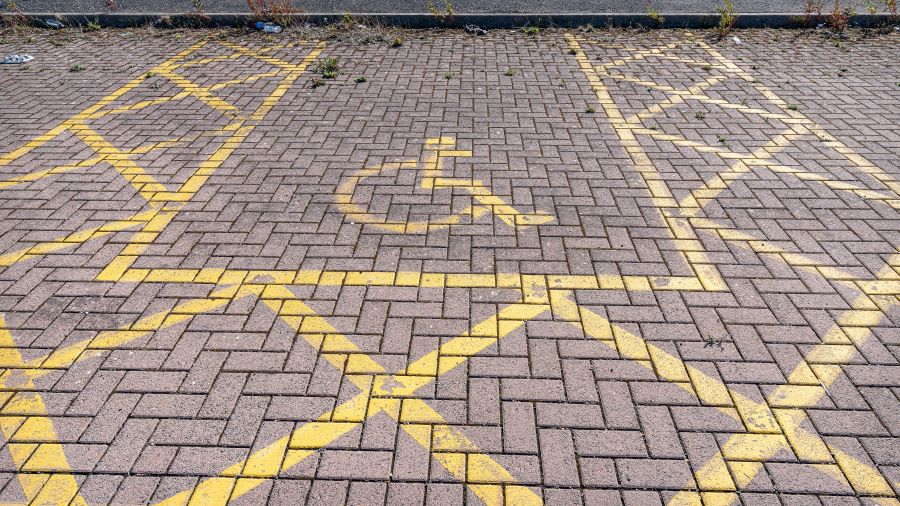
Disabled Parking Spot: Design, Markings and Accessibility

disabled parking spot

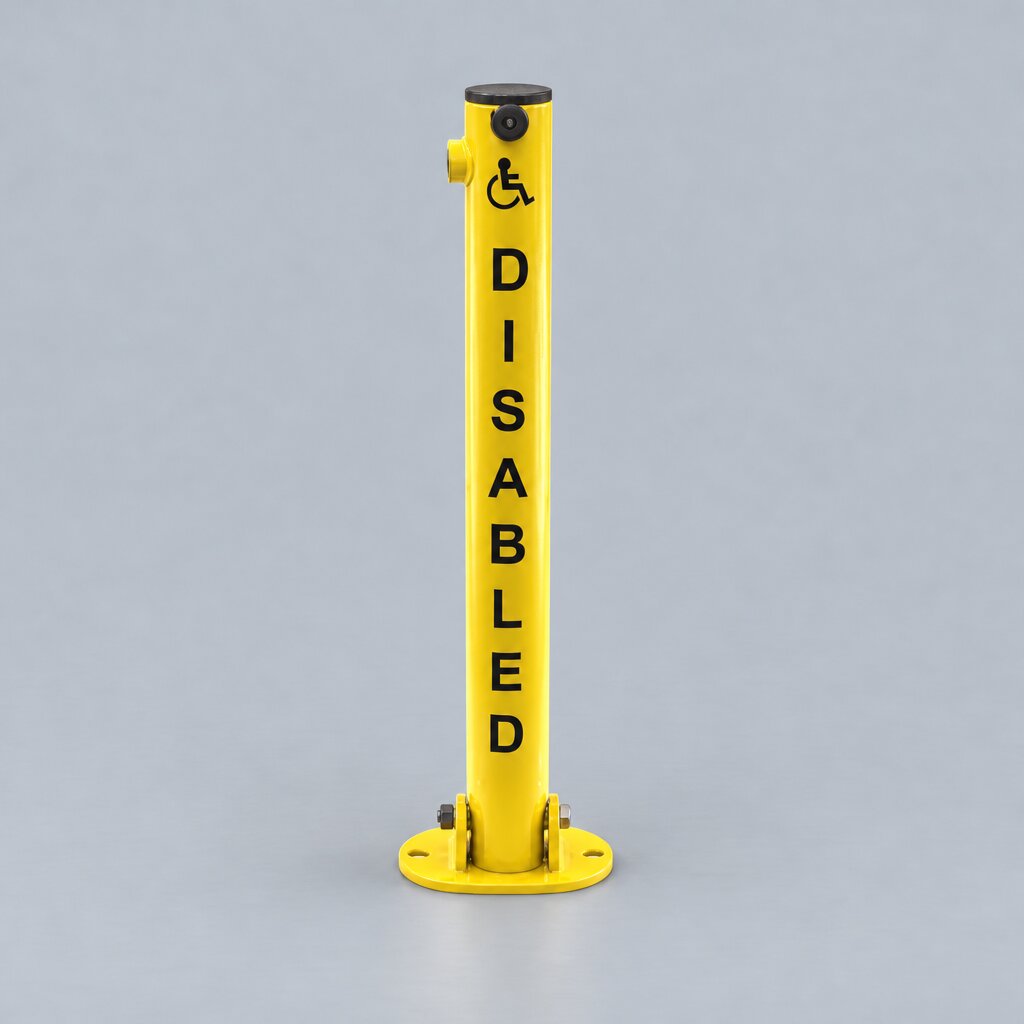
Disabled Parking Spots: Design, Markings and Accessibility A well-designed disabled parking spot can make a significant difference to someone’s ability to access a workplace, shop, healthcare facility or public building. It should provide more than a convenient place to park: the space needs to be easy to find, suitably positioned and designed to allow people …

Double Broken Yellow Line: What It Means and When Loading Is Prohibited

double broken yellow line

Double Broken Yellow Lines: What Do They Mean? Double broken yellow lines are short yellow markings painted across the kerb or beside the edge of the road. In the UK, they indicate a restriction on loading and unloading. They are different from continuous double yellow lines painted along the roadside, which indicate a waiting restriction. …

Disabled Parking Near Buckingham Palace: A Visitor’s Guide

disabled parking near buckingham palace

Disabled Parking Near Buckingham Palace: A Visitor’s Guide Planning a visit to Buckingham Palace by car? Parking close to the Palace can be challenging, particularly during busy periods, royal events and road closures. If you are a Blue Badge holder, it is worth checking parking arrangements before setting off and allowing extra time to reach …

Disabled Parking on Yellow Lines: Blue Badge Rules Explained

disabled parking on yellow lines

Can You Park on Yellow Lines with a Blue Badge? In many parts of the UK, a Blue Badge holder may park on single or double yellow lines for up to three hours. However, this concession is subject to important conditions and does not apply everywhere. Always check the signs, road markings and local restrictions …

Crossings for Cyclists and Pedestrians: A Guide to Safer Streets

crossing for cyclists and pedestrians

Crossings for Cyclists and Pedestrians Crossings help people travel safely between pavements, cycle routes and shared paths. For pedestrians and cyclists, a well-designed crossing makes it easier to navigate busy roads, understand who has priority and move through a junction with confidence. Clear road markings, signs, signals and tactile paving all play an important part. …

Gas Pipe Paint: How to Choose and Apply the Right Coating Safely

gas pipe paint

Gas Pipe Paint: Choosing and Applying the Right Paint Painting a gas pipe can help protect exposed metalwork from corrosion and keep pipework looking tidy. However, gas pipe paint is not simply a matter of choosing a colour: the paint must be suitable for the pipe’s material and location, and painting must not interfere with …

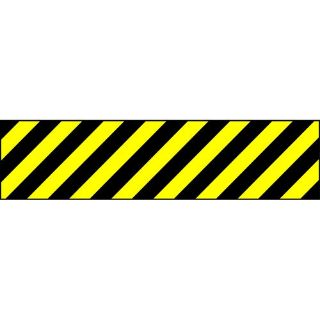
Yellow and Black Road Signs: What They Mean and How to Respond

yellow and black road signs

Yellow and Black Road Signs: What They Mean in the UK Yellow and black road signs are commonly used in the UK to draw attention to temporary hazards, changes in road layout and particular features of the road ahead. Their strong contrast makes them easy to spot, especially where drivers need to react promptly. The …

Yellow Lines at Intervals: What They Mean and When Restrictions Apply

yellow lines at intervals

Yellow Lines at Intervals: What Do They Mean? Yellow markings on UK roads can indicate parking or loading restrictions, but their meaning depends on where they appear and how they are marked. In particular, short yellow lines painted at intervals along a kerb are different from the long yellow lines commonly seen at the edge …

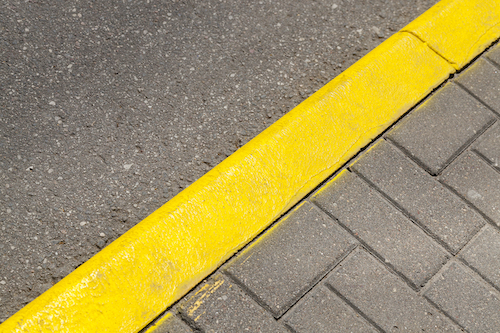
Yellow Lines Along the Edge of the Road: What They Mean and When You Can Park

yellow lines along the edge of the road

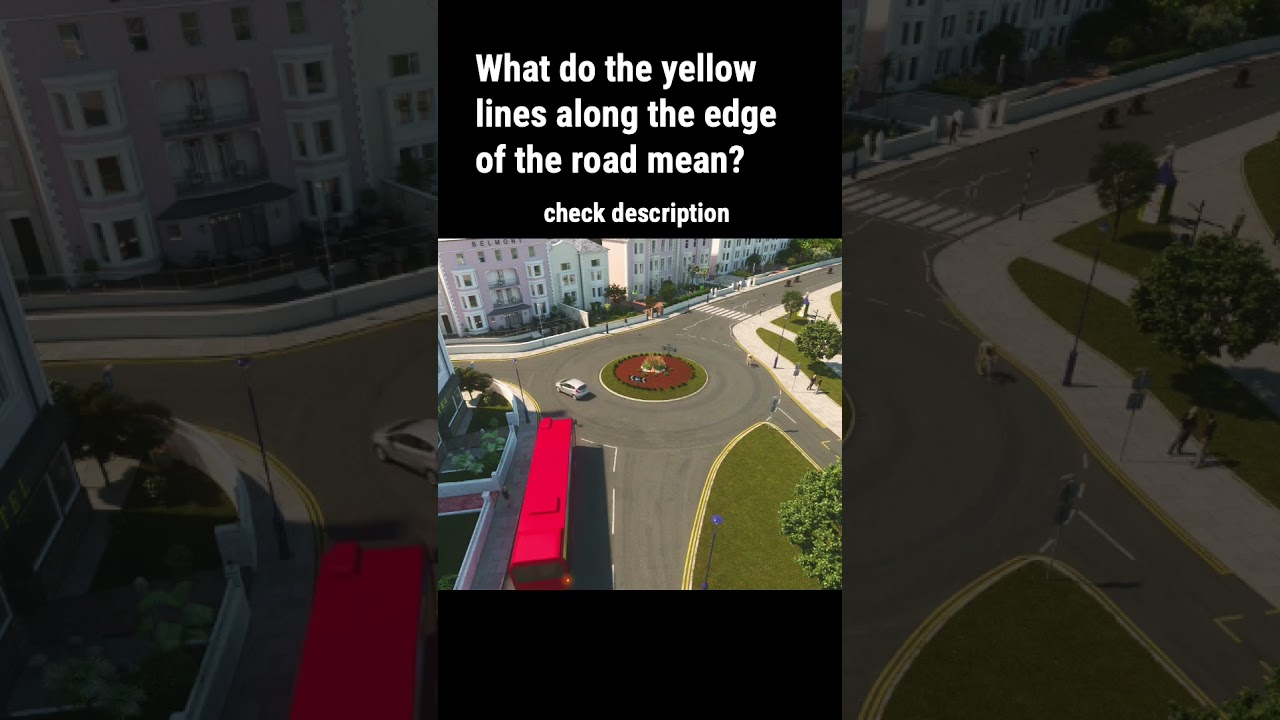
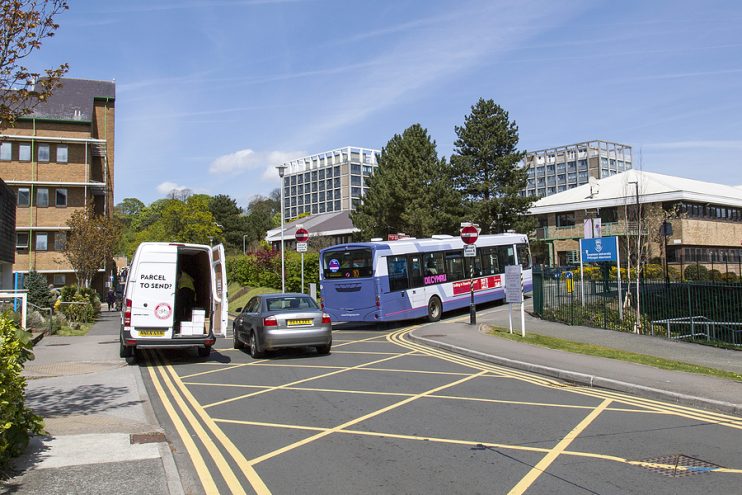
Yellow Lines Along the Edge of the Road: What They Mean Yellow lines painted along the edge of a road show where parking or waiting is restricted. They help keep roads clear, improve visibility and access, and support the safe movement of traffic. In the UK, the restriction depends on whether the line is single …

Unloading on Double Yellow Lines: Rules, Restrictions and What Drivers Need to Know

unloading on double yellow lines

Unloading on Double Yellow Lines: What You Need to Know Double yellow lines usually mean that waiting is prohibited at any time. However, in many parts of the UK, drivers may still be able to load or unload on them, provided no separate loading restriction applies and the vehicle is being used for a genuine …