
Navigating Temporary Changes: The Importance of Road Diversion Signage
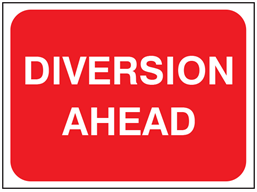
Road Diversion Signage: Navigating Temporary Changes on the Road
When roadworks or unexpected incidents occur on our roads, road diversions are often put in place to guide motorists safely around the affected area. Road diversion signage plays a crucial role in ensuring that drivers can navigate these temporary changes effectively and reach their destinations with minimal disruption.
The Purpose of Road Diversion Signage
Road diversion signage is designed to provide clear and concise information to drivers about alternative routes they can take to avoid the affected area. These signs typically include details such as diversion routes, directions, distances, and any specific instructions that drivers need to follow.
Types of Road Diversion Signage
There are several types of road diversion signage that are commonly used to guide motorists during diversions:
- Diversion Route Signs: These signs indicate the start of a diversion route and provide information on the alternative roads that drivers should follow.
- Advance Warning Signs: Placed well before the actual diversion point, these signs alert drivers to upcoming changes and help them prepare for the diversion ahead.
- Diversion Direction Signs: These signs provide directional information at key points along the diversion route to ensure that drivers stay on track.
- End of Diversion Signs: Located at the end of a diversion route, these signs inform drivers that they are rejoining the original road and normal traffic flow.
The Importance of Clear and Visible Signage
Clear and visible road diversion signage is essential for ensuring the safety of both motorists and road workers during diversions. Drivers rely on these signs to make informed decisions about their routes, so it is crucial that signage is prominently displayed, easy to understand, and strategically placed along the diversion route.
Adhering to Traffic Regulations
When implementing road diversions, authorities must adhere to traffic regulations and guidelines to ensure that signage meets legal requirements. Proper planning, design, placement, and maintenance of road diversion signage are key factors in effectively managing traffic flow and minimising disruptions caused by diversions.
In Conclusion
Road diversion signage plays a vital role in helping motorists navigate temporary changes on the road caused by roadworks or incidents. By providing clear and accurate information through well-designed signage, authorities can ensure smooth traffic flow, minimise confusion among drivers, and enhance overall road safety during diversions.
Top 5 Tips for Navigating Road Diversions Safely and Efficiently
- Follow diversion signs to reach your destination safely.
- Pay attention to temporary speed limits in place during diversions.
- Be patient and stay calm when following diversion routes.
- Plan ahead and allow extra time for potential delays caused by diversions.
- Keep a safe distance from other vehicles while navigating through diversion routes.
Follow diversion signs to reach your destination safely.
Following diversion signs is crucial for reaching your destination safely when navigating road diversions. These signs are strategically placed to guide drivers along alternative routes, helping to avoid disruptions caused by roadworks or incidents on the road. By adhering to diversion signage and following the designated routes, motorists can ensure a smooth and efficient journey while prioritising their safety and that of others on the road.
Pay attention to temporary speed limits in place during diversions.
It is important to pay close attention to temporary speed limits that may be in place during road diversions. These speed limits are often implemented to ensure the safety of both drivers and road workers in the affected area. By adhering to these temporary speed restrictions, motorists can help prevent accidents, maintain traffic flow, and contribute to a smoother navigation through diversions. Remember that obeying speed limits is crucial for overall road safety, especially when encountering changes in road conditions due to diversions.
Be patient and stay calm when following diversion routes.
It is important to maintain patience and a calm demeanor when navigating diversion routes on the road. Road diversions can be unexpected and may lead to delays or changes in travel plans. By staying patient and composed, drivers can navigate the diversion routes safely and efficiently, reducing stress for themselves and other road users. Remember to follow the diversion signage carefully, adhere to speed limits, and be considerate of other drivers to ensure a smooth and orderly flow of traffic during the diversion period.
Plan ahead and allow extra time for potential delays caused by diversions.
When encountering road diversions, it is advisable to plan ahead and factor in extra time for potential delays that may arise. By anticipating the need for alternative routes and allowing additional travel time, drivers can better navigate diversions without feeling rushed or stressed. Planning ahead not only helps to mitigate the impact of unexpected road changes but also promotes safer and more efficient journeys for all road users.
Keep a safe distance from other vehicles while navigating through diversion routes.
It is essential to maintain a safe distance from other vehicles when navigating through diversion routes. By keeping a safe distance, drivers can react quickly to unexpected changes in traffic flow, reduce the risk of rear-end collisions, and allow room for maneuvering if needed. This precaution not only enhances road safety but also promotes smoother traffic flow and minimises the likelihood of congestion during diversions.