
Enhancing Road Safety with Clear and Reflective Road Line Paint
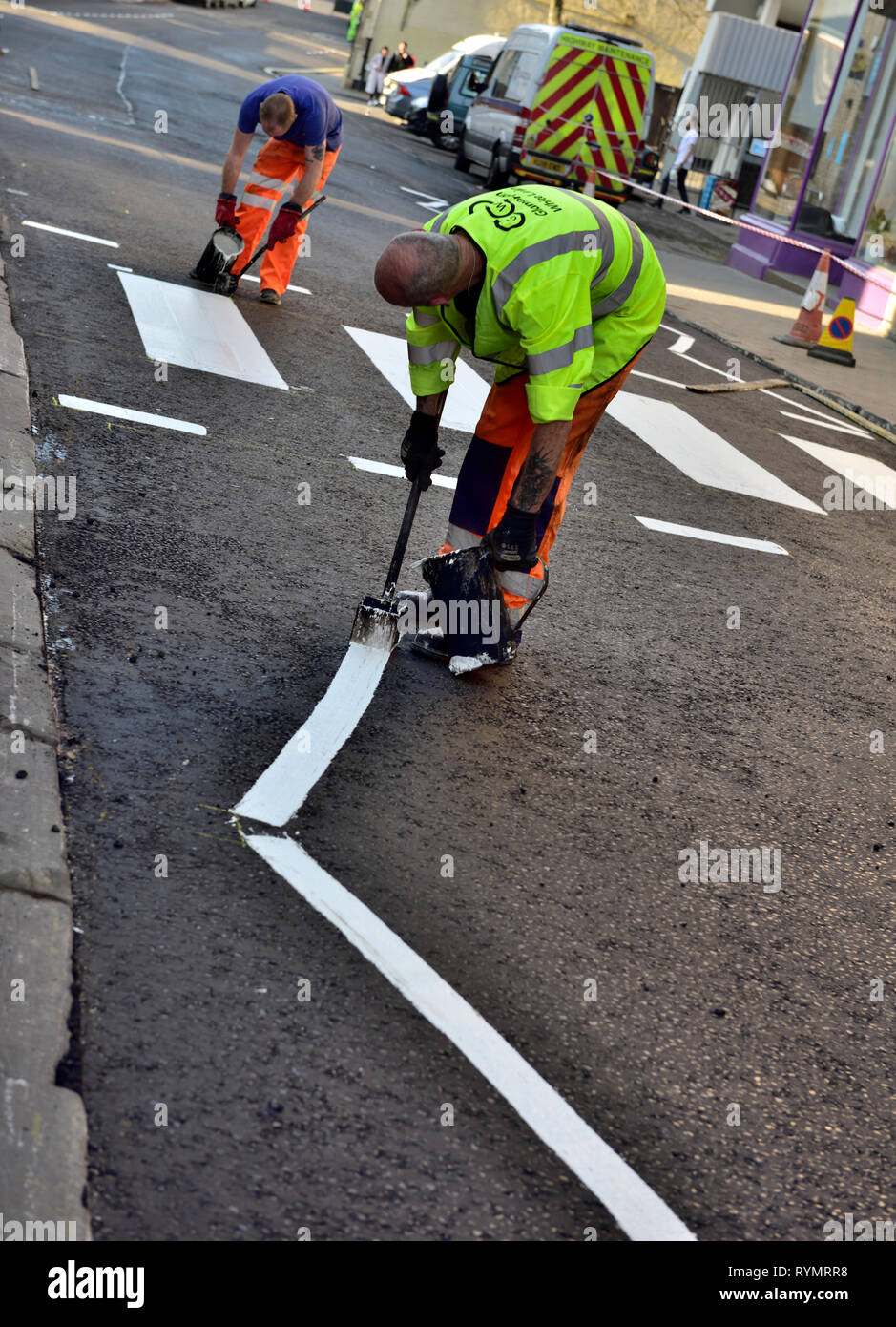
The Importance of Road Line Paint for Traffic Safety
Road line paint plays a crucial role in maintaining order and safety on our roads. These painted lines serve as visual cues to drivers, guiding them on where to drive, stop, and yield. Without clear and visible road markings, chaos and confusion would reign on our streets.
Enhancing Traffic Flow
One of the primary functions of road line paint is to enhance traffic flow. By delineating lanes, indicating turn restrictions, and marking pedestrian crossings, road line paint helps to organise the movement of vehicles and pedestrians. This organisation is essential for preventing accidents and reducing traffic congestion.
Improving Road Safety
Clear road line paint is also vital for improving road safety. Bright, reflective markings make it easier for drivers to see the road layout, especially at night or in adverse weather conditions. Properly maintained road line paint can reduce the risk of collisions, prevent lane drifting, and increase overall driver awareness.
Guiding Pedestrians
In addition to guiding vehicles, road line paint also plays a role in pedestrian safety. Crosswalks, zebra crossings, and other pedestrian markings help pedestrians navigate busy streets safely by indicating where it is safe to cross and where they should exercise caution.
Maintenance and Durability
To ensure the effectiveness of road line paint, regular maintenance is essential. Over time, exposure to traffic wear, weather conditions, and UV radiation can cause paint to fade or deteriorate. Periodic repainting and touch-ups are necessary to maintain clear and visible markings on our roads.
Conclusion
Road line paint may seem like a simple feature of our streets, but its impact on traffic safety cannot be overstated. By providing guidance to drivers, improving visibility, and enhancing overall road organisation, road line paint plays a critical role in keeping our roads safe for all users.
Eight Benefits of Road Line Paint: Enhancing Safety, Efficiency, and Aesthetics on UK Roads
- Enhances traffic flow by delineating lanes and indicating turn restrictions
- Improves road safety by increasing driver awareness and reducing the risk of collisions
- Guides pedestrians with clear markings for crosswalks and pedestrian crossings
- Helps prevent lane drifting and promotes orderly movement of vehicles
- Increases visibility, especially at night or in adverse weather conditions
- Assists in organising traffic patterns to reduce congestion and improve efficiency
- Contributes to a more aesthetically pleasing road environment
- Promotes compliance with road rules and regulations through clear visual cues
Challenges and Drawbacks of Road Line Paint: Visibility, Durability, and Environmental Concerns
- Road line paint can fade over time, reducing its visibility and effectiveness.
- In adverse weather conditions such as heavy rain or snow, road line paint may become less visible, leading to potential confusion for drivers.
- Painted road lines require regular maintenance and repainting to remain clear and functional, which can be costly and time-consuming.
- Improper application of road line paint can result in uneven or inaccurate markings, causing confusion for drivers and pedestrians.
- Road line paint may not be as durable as other road marking materials such as thermoplastic, leading to quicker wear and the need for more frequent replacements.
- Certain types of road line paint may contain chemicals that are harmful to the environment, posing risks to ecosystems near roadsides.
Enhances traffic flow by delineating lanes and indicating turn restrictions
Road line paint serves a crucial role in enhancing traffic flow by clearly delineating lanes and indicating turn restrictions. These painted markings provide visual cues to drivers, guiding them on where to position their vehicles and how to navigate intersections safely. By defining lanes and signalling turn restrictions, road line paint helps streamline traffic movement, reduce congestion, and improve overall road efficiency. The clarity and visibility of these markings play a key role in ensuring smooth traffic flow and minimising the risk of accidents caused by confusion or uncertainty on the road.
Improves road safety by increasing driver awareness and reducing the risk of collisions
Road line paint serves as a crucial tool in enhancing road safety by boosting driver awareness and minimising the likelihood of collisions. Clear and visible road markings help drivers better understand the road layout, navigate traffic flow, and anticipate potential hazards, thus reducing the risk of accidents. By providing visual cues and delineating lanes, road line paint plays a significant role in promoting safe driving practices and ensuring a safer environment for all road users.
Guides pedestrians with clear markings for crosswalks and pedestrian crossings
Clear markings for crosswalks and pedestrian crossings provided by road line paint play a crucial role in guiding pedestrians safely across busy streets. These visible markings not only indicate designated crossing areas but also serve as a visual reminder for drivers to yield to pedestrians. By clearly demarcating pedestrian pathways, road line paint helps enhance pedestrian safety, reduce the risk of accidents, and promote smoother interactions between pedestrians and motorists.
Helps prevent lane drifting and promotes orderly movement of vehicles
Road line paint serves as a crucial tool in preventing lane drifting and promoting the orderly movement of vehicles on the road. By clearly delineating lanes and providing visual guidance to drivers, road line paint helps maintain lane discipline and reduce the risk of vehicles straying into adjacent lanes. This proactive measure not only enhances road safety by minimising the chances of side-swiping accidents but also contributes to a smoother flow of traffic, ensuring a more organised and efficient driving experience for all road users.
Increases visibility, especially at night or in adverse weather conditions
One significant advantage of road line paint is its ability to increase visibility, particularly during nighttime or in challenging weather conditions. The bright and reflective nature of road line paint enhances the visibility of road markings, making it easier for drivers to navigate roads safely even when natural lighting is limited or when weather conditions impair visibility. This increased visibility provided by road line paint helps drivers stay on course, maintain proper lane discipline, and react promptly to changing road conditions, ultimately contributing to improved safety on the roads.
Assists in organising traffic patterns to reduce congestion and improve efficiency
Road line paint serves as a valuable tool in organising traffic patterns to alleviate congestion and enhance efficiency on our roads. By clearly delineating lanes, indicating appropriate turning points, and guiding drivers on where to stop or yield, road line paint helps streamline the flow of traffic. This organised approach minimises confusion among road users, reduces the likelihood of bottlenecks, and ultimately contributes to a smoother and more efficient transportation system.
Contributes to a more aesthetically pleasing road environment
Road line paint not only serves practical purposes in guiding traffic and enhancing safety on roads but also contributes to a more aesthetically pleasing road environment. Well-maintained and visually appealing road markings can uplift the overall appearance of streets and highways, creating a sense of order and cleanliness. The vibrant colours and crisp lines of road line paint can add a touch of visual interest to urban landscapes, making the surroundings more inviting for both motorists and pedestrians. Ultimately, the aesthetic value of road line paint helps to create a more pleasant and harmonious environment for all road users.
Promotes compliance with road rules and regulations through clear visual cues
Road line paint serves as a powerful tool in promoting compliance with road rules and regulations by providing clear visual cues to drivers. By delineating lanes, indicating speed limits, and highlighting pedestrian crossings, road line paint helps drivers understand and adhere to the established traffic laws. These visual markers serve as constant reminders of the rules of the road, encouraging safe and responsible driving behaviour. The clarity and visibility of road line paint play a significant role in ensuring that drivers respect and follow traffic regulations, ultimately contributing to a safer and more orderly road environment for all road users.
Road line paint can fade over time, reducing its visibility and effectiveness.
Road line paint, while essential for road safety and organisation, is not without its drawbacks. One significant con is that road line paint can fade over time due to exposure to traffic, weather elements, and UV radiation. As the paint fades, its visibility diminishes, leading to reduced effectiveness in guiding drivers and pedestrians. Faded road line paint can create confusion, increase the risk of accidents, and compromise overall road safety. Regular maintenance and repainting are necessary to address this issue and ensure that road markings remain clear and visible for optimal traffic management.
In adverse weather conditions such as heavy rain or snow, road line paint may become less visible, leading to potential confusion for drivers.
In adverse weather conditions such as heavy rain or snow, road line paint may become less visible, posing a significant challenge for drivers to navigate the roads safely. Reduced visibility of road markings can lead to confusion, lane drifting, and potential hazards on the road. Drivers may struggle to discern lane boundaries and traffic instructions, increasing the risk of accidents and compromising overall road safety during inclement weather. Regular maintenance and use of reflective or weather-resistant paint can help mitigate this con of road line paint and ensure clearer guidance for drivers in challenging conditions.
Painted road lines require regular maintenance and repainting to remain clear and functional, which can be costly and time-consuming.
Painted road lines present a significant drawback in that they demand consistent maintenance and repainting to retain their clarity and functionality. This ongoing upkeep process can be both financially burdensome and time-intensive for road authorities and maintenance crews. The need for frequent repainting due to wear and fading caused by factors such as traffic volume, weather conditions, and UV exposure adds to the operational costs and logistical challenges faced by those responsible for ensuring the visibility and effectiveness of road markings.
Improper application of road line paint can result in uneven or inaccurate markings, causing confusion for drivers and pedestrians.
Improper application of road line paint can lead to uneven or inaccurate markings, creating confusion for both drivers and pedestrians. Inconsistent or incorrect road markings can mislead road users, potentially leading to dangerous situations such as lane incursions, incorrect turns, or pedestrian accidents. It is crucial that road line paint is applied correctly and maintained regularly to ensure clear, precise, and reliable guidance for all road users.
Road line paint may not be as durable as other road marking materials such as thermoplastic, leading to quicker wear and the need for more frequent replacements.
Road line paint, while widely used for road markings, has a notable drawback in terms of durability compared to materials like thermoplastic. The paint’s susceptibility to quicker wear and fading necessitates more frequent replacements, resulting in increased maintenance costs and potential disruptions to traffic flow. This limitation highlights the importance of considering alternative road marking materials that offer greater longevity and resilience to harsh environmental conditions for sustainable and cost-effective road maintenance strategies.
Certain types of road line paint may contain chemicals that are harmful to the environment, posing risks to ecosystems near roadsides.
Certain types of road line paint may contain chemicals that are harmful to the environment, posing risks to ecosystems near roadsides. These chemicals can leach into the soil and waterways, potentially impacting plant and animal life in the vicinity. Additionally, the release of toxic substances from road line paint can contribute to air pollution, further affecting local ecosystems. It is crucial for authorities to consider the environmental impact of road line paint and explore eco-friendly alternatives to minimise harm to the surrounding environment.