
Pedestrian Safety: Practical Ways to Make Every Journey Safer
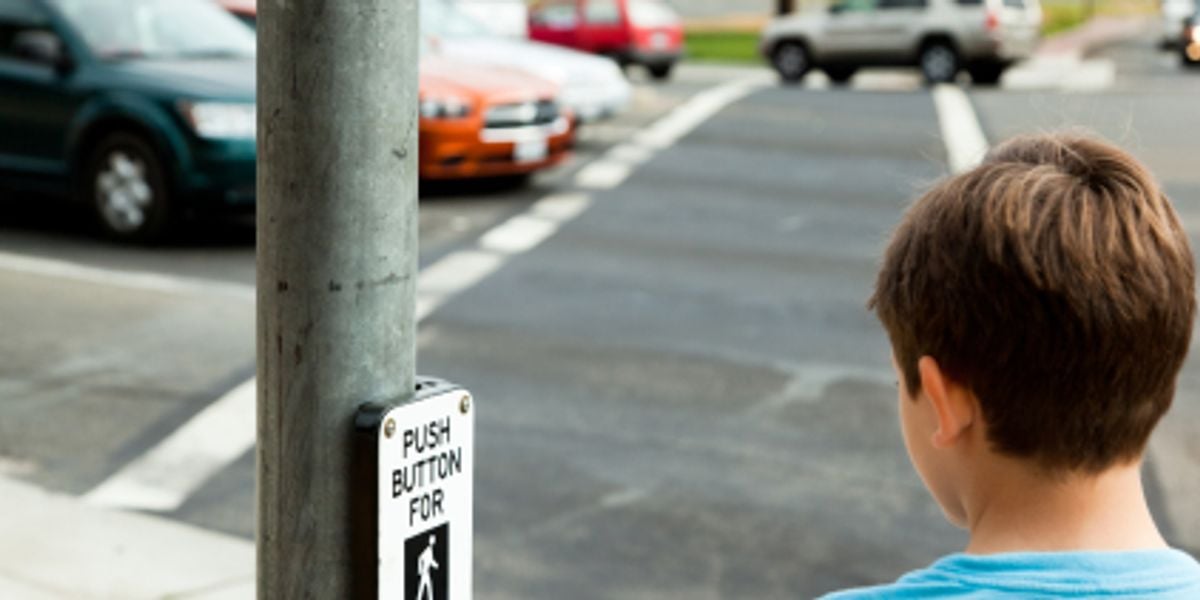
Pedestrian Safety: How to Make Every Journey Safer
Walking is one of the simplest ways to get around, but pedestrians are among the most vulnerable people using the road. Clear road layouts, visible crossings and careful behaviour from everyone can help reduce the risk of collisions and make streets safer for all.
Why pedestrian safety matters
Pedestrians have little protection if they are involved in a collision with a vehicle. Children, older people and anyone with limited mobility may be particularly at risk. Safer streets therefore depend on more than individual caution: they also require thoughtful road design, well-maintained infrastructure and drivers who look out for people on foot.
Tips for pedestrians
- Use crossings where possible. Cross at a pedestrian crossing, refuge or other suitable place, and follow the signals. Wait for traffic to stop before stepping onto the road.
- Stay alert. Put away your phone and avoid distractions when crossing. Headphones can make it harder to hear approaching traffic.
- Make yourself visible. In low light or poor weather, choose bright or reflective clothing where practical. Take extra care when crossing between parked vehicles, where drivers may have a limited view.
- Look carefully. Check in both directions before crossing and keep watching for traffic as you cross. Do not assume a driver has seen you or will stop.
- Take extra care with children. Hold young children’s hands near roads and explain where it is safe to cross. Children can be difficult for drivers to see, especially near parked vehicles.
What drivers can do
Drivers should be prepared for pedestrians at all times, especially near schools, shops, residential streets, bus stops and junctions. Reduce speed where people may be crossing, check carefully around parked vehicles and give pedestrians enough space. Take particular care when reversing, turning or driving in poor visibility.
At pedestrian crossings, approach cautiously and be ready to stop. Never block a crossing, and do not move off until it is safe to do so. A moment of patience can make a significant difference to someone on foot.
The role of road markings and street design
Well-planned streets help people understand where to walk, where to cross and how traffic is expected to behave. Clear, well-maintained road markings can make crossings, stop lines, pedestrian routes and traffic lanes easier to recognise. Signs, lighting, dropped kerbs, tactile paving and traffic-calming measures can also support safer and more accessible journeys.
Road markings need to remain visible and appropriate for their surroundings. Wear, weather and roadworks can affect their condition, so regular inspection and maintenance are important. Good design should also consider people with visual, mobility or other access needs, rather than treating every pedestrian as having the same requirements.
Extra care in difficult conditions
Rain, fog, darkness and glare can make it harder for drivers to see pedestrians and for pedestrians to judge traffic. Allow more time to cross, choose well-lit routes where possible and avoid stepping out from behind obstacles. Drivers should slow down and leave extra stopping distance when visibility or road conditions are poor.
Safer streets are a shared responsibility
Pedestrian safety is not down to one person alone. People walking can make careful choices, drivers can give them time and space, and those responsible for roads can maintain clear, accessible infrastructure. With attention and consideration from everyone, everyday journeys on foot can be safer and more comfortable.
Essential Tips for Ensuring Pedestrian Safety in Urban Areas
- Use pavements where available.
- Cross at crossings or traffic lights.
- Stop, look and listen before crossing.
- Look both ways, including for cyclists.
- Keep phones and headphones out of the way.
- Wear bright or reflective clothing in the dark.
- Take extra care near driveways and car parks.
- Hold young children’s hands near traffic.
Use pavements where available.
Use pavements wherever they are available, as they provide a safer space away from moving traffic. Stay on the pavement rather than walking in the road, and take extra care where it is narrow, uneven or shared with cyclists. If there is no pavement, walk facing oncoming traffic where possible, keep close to the side of the road and remain alert to vehicles.
Cross at crossings or traffic lights.
Cross at pedestrian crossings or traffic lights whenever they are available, and wait for the signal or for traffic to stop before stepping into the road. Keep looking and listening as you cross, as not every driver may see you straight away. Where there is no crossing nearby, choose a place with a clear view of traffic in both directions and avoid crossing between parked vehicles or near bends.
Stop, look and listen before crossing.
Before crossing the road, stop at the kerb, look carefully in both directions and listen for approaching traffic. Check again before stepping out, and keep watching and listening as you cross. Never assume a driver has seen you or will stop, even at a designated crossing.
Look both ways, including for cyclists.
Before crossing, stop at the kerb and look carefully in both directions, checking for cars, buses, motorbikes and cyclists. Listen for approaching traffic too, but don’t rely on hearing alone, as some vehicles may be quiet. Keep watching as you cross, and never assume that a driver or cyclist has seen you or will stop.
Keep phones and headphones out of the way.
Keep your phone in your pocket and headphones turned down or off when walking near roads. Messages, calls and loud music can distract you from traffic, crossings and other hazards, and make it harder to hear approaching vehicles. Stay alert, especially when crossing, and only check your device once you are safely away from the road.
Wear bright or reflective clothing in the dark.
When walking in the dark, wear bright or reflective clothing to make yourself easier for drivers and cyclists to see. Reflective details are especially useful in low light, while a torch or light-coloured outer layer can also help improve your visibility. Take care at crossings and never assume that approaching traffic has spotted you.
Take extra care near driveways and car parks.
Take extra care near driveways and car parks, where vehicles may pull out, reverse or turn with little warning. Drivers may have restricted visibility, particularly when larger vehicles or parked cars are nearby, so do not assume they have seen you. Pause before crossing a vehicle entrance, stay alert and, where possible, make eye contact with the driver before walking past.
Hold young children’s hands near traffic.
Hold young children’s hands whenever you are near traffic, especially when walking along pavements, crossing roads or passing driveways. Children can move suddenly and may not be able to judge the speed or distance of vehicles, so staying close helps you guide them safely. Choose a safe place to cross, stop before stepping into the road and make sure traffic has stopped before crossing together.