
Navigating Through Road Blockages: Strategies for Efficient Traffic Flow and Safety
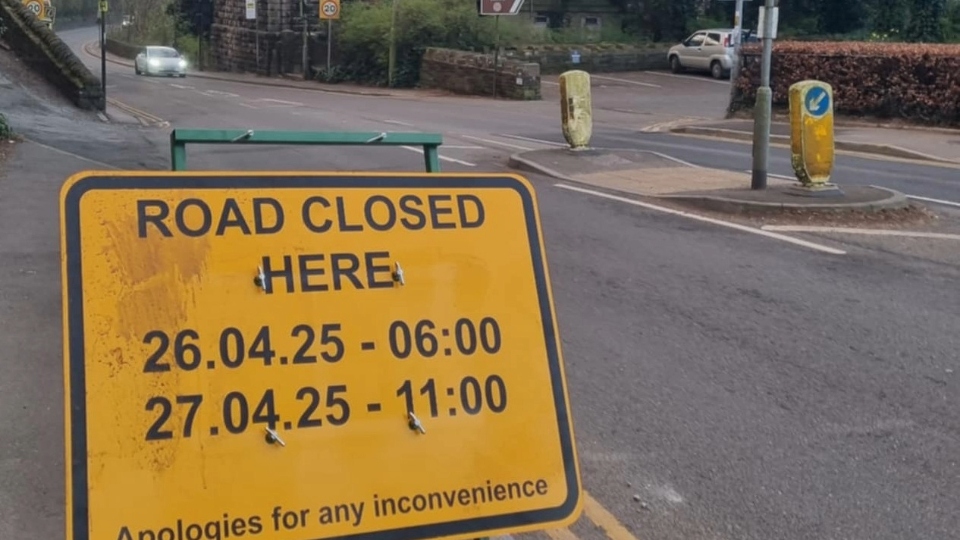
The Impact of Road Blockages on Traffic and Safety
Road blockages, whether due to accidents, construction work, or other reasons, can have significant implications for traffic flow and safety on our roads. When a road is blocked, it disrupts the normal flow of vehicles and can lead to congestion, delays, and potential safety hazards.
Traffic Congestion
One of the most immediate effects of a road blockage is traffic congestion. Vehicles are forced to slow down or come to a standstill, leading to long queues and delays for commuters. This not only causes frustration among drivers but also results in wasted time and fuel consumption.
Safety Hazards
Road blockages can also pose safety hazards for both drivers and pedestrians. When traffic is backed up due to a blockage, there is an increased risk of rear-end collisions, side-swipes, and other accidents. Pedestrians may also be at risk if they are forced to navigate around the blocked area.
Emergency Response Delays
In the case of emergencies such as medical incidents or fires, road blockages can impede the response time of emergency services. Delays in reaching the scene of an emergency can have serious consequences for those in need of urgent assistance.
Impact on Businesses
Businesses located near road blockages may experience a decline in customer traffic due to accessibility issues. Delivery services may also be affected, leading to disruptions in supply chains and increased costs for businesses.
Minimising the Impact
To minimise the impact of road blockages on traffic and safety, proactive measures should be taken. This includes effective traffic management strategies, timely communication with drivers about alternative routes, prompt clearance of blockages by authorities, and regular maintenance of roads to prevent unexpected closures.
In conclusion, road blockages can have far-reaching consequences on traffic flow, safety, emergency response times, and businesses. By addressing these issues proactively and implementing appropriate measures, we can work towards creating safer and more efficient road networks for all road users.
Essential Information on Road Closures and Blockages: FAQs Answered
- How can I find out about road closures in my area?
- Can you block a road for 15 minutes?
- How do I contact Highway Agency?
- How do I report an obstruction on my motorway?
- Does Google Maps show road closures?
How can I find out about road closures in my area?
To find out about road closures in your area, there are several resources you can use to stay informed. One of the most reliable sources is your local council or transportation department’s website, where they often provide updates on planned road closures and diversions. Additionally, mobile apps such as Google Maps or Waze can provide real-time information on road closures and traffic conditions. Following social media accounts of local authorities or subscribing to traffic alert services can also help you stay up-to-date on any road closures affecting your area. By utilising these resources, you can better plan your journeys and navigate around any potential disruptions caused by road closures.
Can you block a road for 15 minutes?
When considering the question of whether a road can be blocked for 15 minutes, it is important to understand the implications of such an action. Temporary road blockages for specific purposes such as construction work, events, or emergency situations may be permissible under certain circumstances with proper authorisation and traffic management plans in place. However, blocking a road for any duration should always be approached with caution and consideration for the potential impact on traffic flow, safety, and accessibility for road users. It is essential to adhere to relevant regulations and guidelines to ensure that any temporary road blockages are carried out responsibly and with minimal disruption to the community.
How do I contact Highway Agency?
If you need to contact the Highway Agency regarding road blockages or other related issues, you can reach out to them through their official website or contact information provided on their website. The Highway Agency is responsible for managing and maintaining the road network, so contacting them directly can help address any concerns or queries you may have about road blockages and traffic management. It is advisable to have specific details, such as the location and nature of the blockage, when reaching out to ensure a prompt and effective response from the Highway Agency.
How do I report an obstruction on my motorway?
If you encounter an obstruction on a motorway, it is crucial to report it promptly to the appropriate authorities to ensure the safety of all road users. To report an obstruction on your motorway, you can contact the local highway agency or emergency services by dialling their dedicated helpline number. Provide as much detail as possible about the location of the obstruction, such as the nearest junction or mile marker, and describe the nature of the obstruction to help authorities respond effectively. Reporting obstructions promptly can help prevent accidents and minimise traffic disruptions on the motorway.
Does Google Maps show road closures?
One frequently asked question regarding road blockages is whether Google Maps shows road closures. Google Maps does indeed provide information on road closures, allowing users to see real-time updates on any closed roads due to accidents, construction work, or other reasons. This feature can be particularly useful for drivers looking to plan their routes and avoid potential delays caused by road blockages. By utilising this functionality, users can make informed decisions about their travel routes and navigate around any obstacles that may disrupt their journey.