
Mastering the Pelican Crossing Theory Test: A Guide to Road Safety
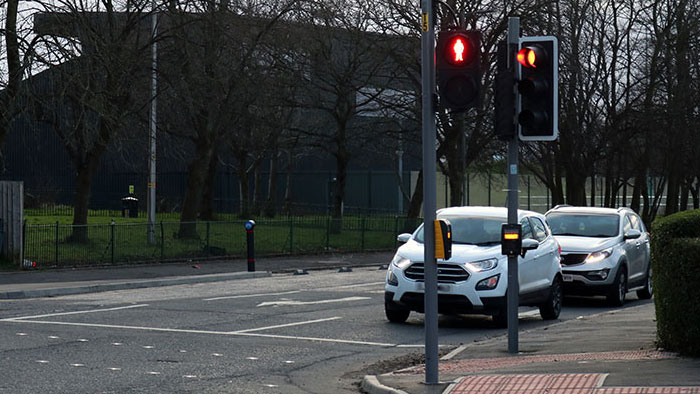
The Pelican Crossing Theory Test: Understanding Road Safety
When it comes to road safety, understanding the rules and regulations governing pedestrian crossings is crucial. One type of pedestrian crossing that often appears in theory tests is the pelican crossing. Let’s delve into what the pelican crossing theory test entails and why it is essential for all road users.
What is a Pelican Crossing?
A pelican crossing is a type of pedestrian crossing that features traffic lights and a push-button system for pedestrians to activate the lights. The name “pelican” stands for “Pedestrian Light Controlled Crossing.” When a pedestrian pushes the button, the traffic lights change to red, signalling drivers to stop and allow pedestrians to cross safely.
The Pelican Crossing Theory Test
During a driving theory test, candidates may encounter questions related to pelican crossings. These questions assess the driver’s knowledge of how to approach and interact with pelican crossings while driving. Some common topics covered in the pelican crossing theory test include:
- Understanding the meaning of different pelican crossing signals.
- Knowing when to stop at a pelican crossing based on the signal sequence.
- Recognising the responsibilities of drivers and pedestrians at pelican crossings.
- Understanding how weather conditions or visibility can affect interactions at pelican crossings.
Why is it Important?
Mastering the pelican crossing theory test is essential for all drivers as it promotes road safety and helps prevent accidents involving pedestrians. By understanding how pelican crossings function and knowing how to respond appropriately, drivers can contribute to creating safer road environments for everyone.
Additionally, demonstrating knowledge of pelican crossings during a theory test shows that drivers are aware of their responsibilities on the road and are committed to following traffic laws and regulations.
In Conclusion
As road users, we all play a role in ensuring safety on our roads. By familiarising ourselves with concepts such as pelican crossings through theory tests and practical experience, we can contribute to making our roads safer for pedestrians, cyclists, and motorists alike. Remember, staying informed and alert while driving is key to promoting road safety for everyone.
Understanding Pelican Crossing Theory: Enhancing Road Safety and Promoting Responsible Driving
- Enhances road safety knowledge for drivers
- Tests understanding of pedestrian crossing rules and regulations
- Promotes awareness of pedestrian rights at crossings
- Encourages responsible and attentive driving behaviour
- Helps prevent accidents involving pedestrians
- Contributes to creating safer road environments
Limitations of the Pelican Crossing Theory Test: Bridging the Gap Between Theory and Practice
- The pelican crossing theory test may not fully simulate real-world scenarios, leading to a potential gap between theoretical knowledge and practical application.
- Some drivers may find the theoretical nature of the test less engaging or relevant compared to hands-on driving assessments.
- Passing the pelican crossing theory test alone does not guarantee that drivers will always make safe and responsible decisions at actual pelican crossings in dynamic traffic situations.
Enhances road safety knowledge for drivers
Understanding the pelican crossing theory test enhances road safety knowledge for drivers by ensuring they are well-informed about how to interact with pedestrian crossings effectively. By familiarising themselves with the rules and regulations governing pelican crossings, drivers can make informed decisions that prioritise the safety of pedestrians and other road users. This knowledge not only promotes responsible driving behaviour but also helps prevent accidents and create a safer road environment for everyone.
Tests understanding of pedestrian crossing rules and regulations
One significant advantage of the pelican crossing theory test is that it assesses drivers’ understanding of pedestrian crossing rules and regulations. By testing candidates on their knowledge of how to interact with pelican crossings, including interpreting signals, knowing when to stop, and understanding pedestrian right of way, the test ensures that drivers are well-informed about crucial road safety measures. This knowledge not only helps drivers navigate pelican crossings effectively but also promotes a safer environment for pedestrians by encouraging adherence to crossing rules and regulations.
Promotes awareness of pedestrian rights at crossings
Understanding and passing the pelican crossing theory test promotes awareness of pedestrian rights at crossings. By learning about the rules and regulations governing pelican crossings, drivers gain a deeper understanding of pedestrians’ rights to safely cross the road. This knowledge not only helps drivers navigate intersections more responsibly but also fosters a culture of respect and consideration for pedestrians, ultimately contributing to safer road environments for all road users.
Encourages responsible and attentive driving behaviour
The pelican crossing theory test serves as an effective tool in promoting responsible and attentive driving behaviour among motorists. By testing candidates on their understanding of how to approach and interact with pelican crossings, the test reinforces the importance of remaining vigilant and observant while driving. Drivers who have a thorough grasp of pelican crossing rules are more likely to demonstrate cautious and considerate behaviour on the road, leading to safer interactions with pedestrians and other road users. This emphasis on responsible driving not only enhances road safety but also cultivates a culture of mindfulness and respect for traffic regulations, ultimately contributing to a more harmonious and secure road environment for everyone.
Helps prevent accidents involving pedestrians
One significant advantage of the pelican crossing theory test is its role in helping prevent accidents involving pedestrians. By educating drivers on how to approach and interact with pelican crossings, the theory test promotes greater awareness and understanding of pedestrian rights and safety. This knowledge empowers drivers to recognise the importance of yielding to pedestrians at designated crossings, ultimately reducing the risk of collisions and ensuring a safer environment for all road users.
Contributes to creating safer road environments
Mastering the pelican crossing theory test plays a vital role in contributing to the creation of safer road environments. By ensuring that drivers understand how to interact with pelican crossings correctly, this knowledge helps prevent accidents and promotes pedestrian safety. Drivers who are well-versed in the rules and regulations surrounding pelican crossings are more likely to approach these crossings with caution, stop when required, and give priority to pedestrians, ultimately enhancing road safety for all users.
The pelican crossing theory test may not fully simulate real-world scenarios, leading to a potential gap between theoretical knowledge and practical application.
One notable drawback of the pelican crossing theory test is its limitation in replicating real-world scenarios accurately. While the test assesses candidates’ theoretical understanding of pelican crossings, it may fall short in preparing them for the dynamic and unpredictable nature of actual road situations. This discrepancy between theoretical knowledge and practical application could create a gap where drivers may struggle to apply their learned concepts effectively in real-time scenarios, potentially compromising road safety outcomes.
Some drivers may find the theoretical nature of the test less engaging or relevant compared to hands-on driving assessments.
Some drivers may perceive a con of the pelican crossing theory test to be its theoretical nature, which they may find less engaging or relevant compared to hands-on driving assessments. For those who prefer practical learning experiences, the abstract concepts and rules tested in theory exams like the pelican crossing theory test may seem disconnected from real-world driving scenarios. This discrepancy in engagement levels could potentially lead to some drivers feeling less motivated to fully grasp the theoretical aspects of road safety, which are nonetheless crucial for safe and responsible driving practices.
Passing the pelican crossing theory test alone does not guarantee that drivers will always make safe and responsible decisions at actual pelican crossings in dynamic traffic situations.
Passing the pelican crossing theory test alone does not guarantee that drivers will always make safe and responsible decisions at actual pelican crossings in dynamic traffic situations. While theoretical knowledge is important, real-world scenarios can present unexpected challenges that may not be fully covered in a standard theory test. Factors such as driver distraction, weather conditions, pedestrian behaviour, and other external variables can influence how drivers interact with pelican crossings. Therefore, practical experience and ongoing education on road safety are equally crucial to ensure that drivers can navigate pelican crossings effectively and responsibly in diverse traffic environments.