
Enhancing Pedestrian Safety: The Role of Pelican, Puffin, and Toucan Crossings
Pelican, Puffin, and Toucan Crossings: Enhancing Pedestrian Safety
When it comes to pedestrian safety on the roads, pelican, puffin, and toucan crossings play a crucial role in ensuring safe passage for pedestrians. These crossings are designed to provide a safe way for pedestrians to cross busy roads and junctions, helping to reduce the risk of accidents and improve road safety.
Pelican Crossings
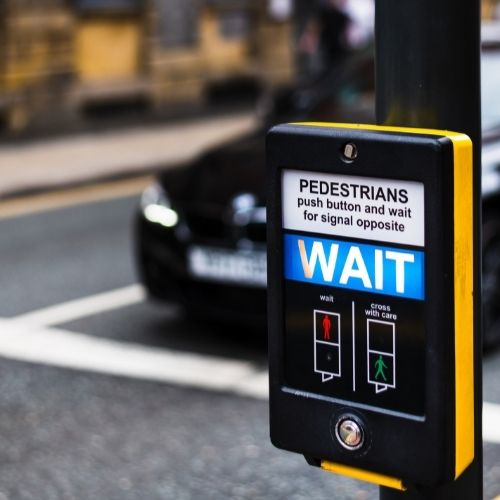
A pelican crossing is a type of pedestrian crossing that features traffic lights with a push-button control for pedestrians. When activated, the traffic lights change to red for vehicles and green for pedestrians, allowing them to cross safely. Pelican crossings are equipped with a flashing amber light to indicate that the lights are about to change.
Puffin Crossings
Unlike pelican crossings, puffin crossings do not have a flashing amber light. Instead, they use sensors to detect when pedestrians are crossing the road. This allows the crossing time to be adjusted based on the actual presence of pedestrians, making puffin crossings more efficient and responsive.
Toucan Crossings
Toucan crossings are designed to accommodate both pedestrians and cyclists. The name “toucan” comes from the idea that “two can” cross together – referring to both pedestrians and cyclists using the crossing simultaneously. Toucan crossings feature wider lanes to accommodate cyclists and are equipped with push-button controls like pelican crossings.
Benefits of Pelican, Puffin, and Toucan Crossings
- Improved safety: By providing designated crossing points with traffic control measures, these crossings help reduce the risk of accidents involving pedestrians and cyclists.
- Accessibility: Pelican, puffin, and toucan crossings make it easier for people with mobility challenges or disabilities to cross busy roads safely.
- Promotion of active travel: Toucan crossings encourage cycling as a mode of transport by providing dedicated facilities for cyclists at road junctions.
- Traffic flow: These crossings help manage traffic flow by giving priority to pedestrians at designated points without causing significant disruptions to vehicular traffic.
In conclusion, pelican, puffin, and toucan crossings play an essential role in enhancing pedestrian safety on our roads. By providing designated crossing points with appropriate traffic control measures, these crossings help create safer environments for pedestrians and cyclists alike.
Understanding Pelican, Puffin, and Toucan Crossings: Key Differences and Benefits for Pedestrians and Cyclists in the UK
- What is a pelican crossing and how does it work?
- How is a puffin crossing different from a pelican crossing?
- What are the benefits of toucan crossings for pedestrians and cyclists?
- Are pelican, puffin, and toucan crossings safer than traditional zebra crossings?
- Do all pelican, puffin, and toucan crossings have push-button controls for pedestrians?
- How are pelican, puffin, and toucan crossings designed to improve traffic flow?
What is a pelican crossing and how does it work?
A pelican crossing is a type of pedestrian crossing equipped with traffic lights and a push-button control system. When a pedestrian wants to cross the road, they press the button, which triggers the traffic lights to change. The lights turn red for vehicles, indicating them to stop, while the pedestrian light turns green, allowing pedestrians to safely cross the road. Pelican crossings also have a flashing amber light to alert pedestrians that the lights are about to change. This safety measure ensures that pedestrians have enough time to cross the road safely before the lights switch back to allow vehicles to proceed.
How is a puffin crossing different from a pelican crossing?
A frequently asked question regarding pelican and puffin crossings is how a puffin crossing differs from a pelican crossing. The main difference lies in the technology used for pedestrian detection and control of traffic flow. Unlike pelican crossings that rely on push-button controls, puffin crossings use sensors to detect pedestrians at the crossing, allowing for more efficient and responsive operation. This means that puffin crossings can adjust the crossing time based on real-time pedestrian presence, enhancing safety and convenience for pedestrians using the crossing.
What are the benefits of toucan crossings for pedestrians and cyclists?
Toucan crossings offer several benefits for both pedestrians and cyclists. One key advantage is the shared use of these crossings, allowing pedestrians and cyclists to cross together safely. This promotes a sense of inclusivity and encourages active travel by providing designated facilities for cyclists at road junctions. Toucan crossings also enhance safety by providing clear crossing points with traffic control measures, reducing the risk of accidents involving pedestrians and cyclists. Additionally, these crossings improve accessibility for people with mobility challenges or disabilities, making it easier for them to navigate busy roads while promoting a more sustainable and healthy mode of transportation.
Are pelican, puffin, and toucan crossings safer than traditional zebra crossings?
When comparing pelican, puffin, and toucan crossings to traditional zebra crossings, the question of safety often arises. While zebra crossings have long been a familiar sight on roads, the controlled nature of pelican, puffin, and toucan crossings provides additional safety features that can enhance pedestrian and cyclist safety. With traffic lights, sensors, and designated lanes for cyclists at toucan crossings, these modern crossing types offer improved visibility and control over traffic flow, potentially reducing the risk of accidents compared to uncontrolled zebra crossings. Ultimately, the effectiveness and safety of each type of crossing depend on factors such as road layout, traffic volume, and pedestrian behaviour.
Do all pelican, puffin, and toucan crossings have push-button controls for pedestrians?
In response to the frequently asked question about pelican, puffin, and toucan crossings, it is important to note that not all crossings of these types have push-button controls for pedestrians. While pelican crossings typically feature push-button controls that pedestrians can use to activate the signal change, puffin crossings utilize sensors to detect pedestrian presence without the need for a button press. Toucan crossings, on the other hand, do have push-button controls for pedestrians and cyclists to initiate the crossing sequence. Therefore, while push-button controls are a common feature in pelican and toucan crossings, puffin crossings operate differently by using sensors to determine when it is safe for pedestrians to cross.
How are pelican, puffin, and toucan crossings designed to improve traffic flow?
Pelican, puffin, and toucan crossings are designed to improve traffic flow by providing designated crossing points for pedestrians and cyclists at strategic locations. By incorporating traffic lights with pedestrian push-button controls, these crossings allow pedestrians and cyclists to safely cross busy roads without causing significant disruptions to vehicular traffic. The efficient design of puffin crossings, which use sensors to detect pedestrian presence and adjust crossing times accordingly, helps in optimising traffic flow by ensuring that the crossing time is responsive to actual usage. Toucan crossings further enhance traffic flow by accommodating both pedestrians and cyclists simultaneously, promoting active travel while minimising delays for other road users. Overall, the thoughtfully designed features of pelican, puffin, and toucan crossings contribute to smoother traffic flow and improved road safety for all users.