
Understanding Puffin, Toucan, and Pelican Crossings: Enhancing Road Safety in the UK
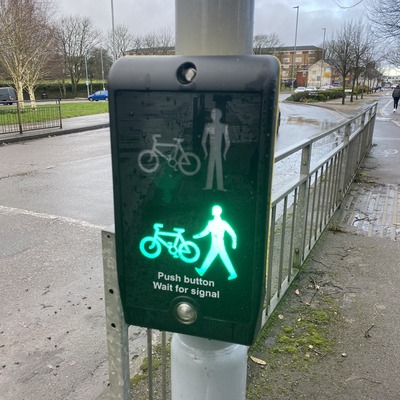
The Difference Between Puffin, Toucan, and Pelican Crossings in the UK
When it comes to pedestrian crossings in the United Kingdom, you may have come across terms such as puffin, toucan, and pelican crossings. These crossings are designed to ensure the safety of pedestrians and help them cross busy roads with ease. Let’s explore the differences between these three types of crossings:
Puffin Crossing
A Puffin crossing stands for Pedestrian User-Friendly INtelligent crossing. It is an advanced type of pedestrian crossing that uses sensors to detect when pedestrians are still crossing the road. Unlike traditional pedestrian crossings, puffin crossings feature sensors that can extend or shorten the time allocated for pedestrians based on their walking speed.
Toucan Crossing
A Toucan crossing is designed for both pedestrians and cyclists to cross the road together. The name “Toucan” comes from “two-can,” indicating that both pedestrians and cyclists can use this type of crossing simultaneously. Toucan crossings have wider paths to accommodate cyclists and often feature separate signals for pedestrians and cyclists.
Pelican Crossing
A Pelican crossing stands for Pedestrian Light Controlled crossing. It is one of the most common types of pedestrian crossings in the UK. Pelican crossings have a push-button system that allows pedestrians to activate traffic lights to stop vehicles, giving them a safe opportunity to cross the road.
In conclusion, puffin, toucan, and pelican crossings serve the same purpose of ensuring pedestrian safety at road junctions. Each type has its unique features tailored to accommodate different user groups such as pedestrians only, pedestrians and cyclists together, or general pedestrian traffic. Understanding these differences can help both pedestrians and motorists navigate roads more safely and effectively.
Understanding UK Pedestrian Crossings: Puffin, Toucan, Pelican and More
- What are the 4 types of crossing in the UK?
- What are the 4 crossings?
- What’s the difference between pelican puffin and toucan crossing?
- What is the sequence of lights at crossings?
- Why do they call it a puffin crossing?
What are the 4 types of crossing in the UK?
In the United Kingdom, there are four main types of pedestrian crossings commonly used to ensure road safety: puffin crossings, toucan crossings, pelican crossings, and zebra crossings. Each type serves a specific purpose and is designed to facilitate the safe passage of pedestrians across busy roads. Puffin crossings utilise advanced sensors to detect pedestrians and adjust crossing times accordingly, while toucan crossings cater to both pedestrians and cyclists simultaneously. Pelican crossings feature push-button controls for pedestrians to activate traffic lights, and zebra crossings are characterised by their distinctive black and white stripes, requiring vehicles to give way to pedestrians waiting to cross. Understanding the differences between these crossing types is essential for both pedestrians and motorists to navigate roads safely and efficiently.
What are the 4 crossings?
One frequently asked question regarding pedestrian crossings is: “What are the 4 crossings?” In the context of pedestrian crossings in the UK, the four main types are zebra crossings, puffin crossings, toucan crossings, and pelican crossings. Each type serves a specific purpose in ensuring pedestrian safety and facilitating the smooth flow of both pedestrian and vehicular traffic. Understanding the differences between these four types of crossings is essential for both pedestrians and motorists to navigate roads safely and efficiently.
What’s the difference between pelican puffin and toucan crossing?
One frequently asked question regarding pedestrian crossings is, “What’s the difference between pelican, puffin, and toucan crossings?” Pelican crossings are controlled by traffic lights and require pedestrians to push a button to activate the signal. Puffin crossings, on the other hand, use sensors to detect pedestrians and adjust crossing times accordingly. Toucan crossings are designed for both pedestrians and cyclists to cross together, with wider paths and separate signals for each group. Understanding these distinctions can help pedestrians and road users navigate different types of crossings safely and efficiently.
What is the sequence of lights at crossings?
When approaching puffin, toucan, or pelican crossings in the UK, it is essential to understand the sequence of lights to ensure safe pedestrian crossing. Typically, the sequence of lights at these crossings includes a red signal for vehicles, indicating them to stop, and a green signal for pedestrians or cyclists to cross. In some cases, there may also be a flashing amber light, signalling that pedestrians can continue crossing if they have already started but should not start crossing if they haven’t. Understanding and following the sequence of lights at crossings is crucial for both pedestrians and motorists to promote road safety and efficient traffic flow.
Why do they call it a puffin crossing?
The term “puffin crossing” stands for Pedestrian User-Friendly INtelligent crossing. Unlike traditional pedestrian crossings, puffin crossings are equipped with sensors that detect when pedestrians are still crossing the road. This intelligent feature allows the crossing to adjust the time allocated for pedestrians based on their walking speed, making it more user-friendly and efficient. The name “puffin” reflects the advanced technology and user-focused design of this type of pedestrian crossing in the United Kingdom.