
Navigating A1 Western Bypass Closures: Challenges and Solutions
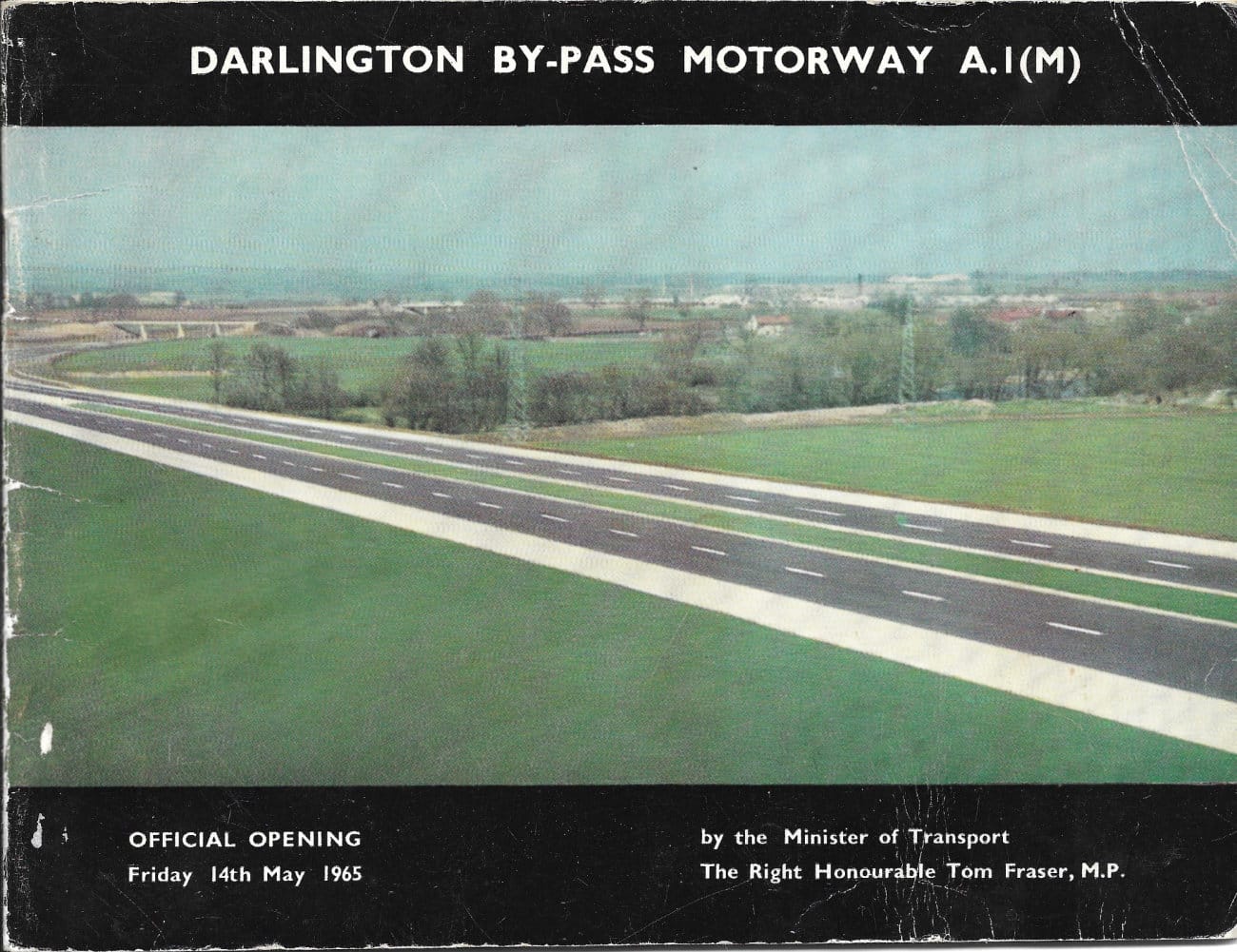
The Impact of A1 Western Bypass Closures on Commuters
The A1 Western Bypass is a vital road artery that connects various regions and facilitates the smooth flow of traffic. However, recent closures and disruptions along this route have caused significant challenges for commuters and businesses alike.
Reasons for Closures
The closures along the A1 Western Bypass have been primarily due to ongoing maintenance works, road upgrades, and infrastructure improvements. These closures are necessary to ensure the long-term safety and efficiency of the road network.
Impact on Commuters
Commuters who rely on the A1 Western Bypass for their daily journeys have been facing delays, diversions, and increased travel times due to the closures. The congestion resulting from these closures has not only affected individual commuters but has also had a ripple effect on businesses that depend on timely transportation of goods and services.
Alternative Routes
To mitigate the impact of the closures, alternative routes have been suggested and implemented. However, these alternative routes may not always be sufficient to handle the increased traffic volume, leading to further congestion and delays.
Future Outlook
As the maintenance works and upgrades along the A1 Western Bypass continue, it is essential for commuters to stay informed about upcoming closures and plan their journeys accordingly. Additionally, authorities are working towards minimising disruptions and ensuring that the road network remains safe and efficient in the long run.
In conclusion, while the closures along the A1 Western Bypass may pose challenges for commuters in the short term, they are crucial for maintaining a reliable and sustainable road network. By staying updated on closure schedules and exploring alternative routes when necessary, commuters can navigate through these disruptions with greater ease.
Benefits of A1 Western Bypass Closures: Enhancing Safety, Efficiency, and Infrastructure
- Improved road safety through necessary maintenance and upgrades
- Enhanced long-term efficiency of the A1 Western Bypass
- Opportunity for infrastructure improvements to benefit commuters in the future
- Increased awareness about alternative routes and diversions
- Potential reduction in accidents and incidents on the road due to closures
- Support for local businesses by ensuring a well-maintained road network
Challenges Arising from A1 Western Bypass Closures: Impact on Commuters, Businesses, and the Environment
- Increased travel time for commuters due to diversions and congestion
- Disruption of regular commuting schedules and routines
- Negative impact on businesses that rely on timely transportation along the A1 Western Bypass
- Potential confusion and frustration for drivers navigating through alternative routes
- Environmental concerns arising from increased traffic congestion and emissions
- Risk of accidents and road incidents due to altered traffic patterns and unfamiliar routes
Improved road safety through necessary maintenance and upgrades
The temporary closures along the A1 Western Bypass have brought about a significant pro in the form of improved road safety through necessary maintenance and upgrades. By conducting essential maintenance works and implementing upgrades along this vital road artery, authorities are taking proactive steps to enhance the overall safety and efficiency of the road network. These closures allow for crucial repairs, enhancements, and infrastructure improvements that ultimately contribute to creating a safer environment for all road users, ensuring smoother traffic flow and reducing the risk of accidents in the long term.
Enhanced long-term efficiency of the A1 Western Bypass
The pro of A1 Western Bypass closures lies in the enhanced long-term efficiency of the road network. By conducting necessary maintenance works, upgrades, and infrastructure improvements through closures, the A1 Western Bypass can be better equipped to handle increased traffic volume and ensure smoother traffic flow in the future. These closures, though disruptive in the short term, are essential for maintaining the road’s functionality and safety standards, ultimately leading to a more efficient and reliable transportation route for commuters and businesses alike.
Opportunity for infrastructure improvements to benefit commuters in the future
The closures along the A1 Western Bypass present an opportunity for essential infrastructure improvements that will ultimately benefit commuters in the future. By conducting maintenance works and upgrades during these closures, authorities can enhance the road network’s safety, efficiency, and capacity. These improvements may include widening lanes, upgrading signage, implementing advanced traffic management systems, and enhancing overall road conditions. While the closures may cause temporary inconvenience, the long-term benefits of a more reliable and commuter-friendly road network make these infrastructure upgrades a valuable investment in improving transportation for all road users.
Increased awareness about alternative routes and diversions
The closures along the A1 Western Bypass have led to an unexpected benefit of increased awareness about alternative routes and diversions among commuters. With the usual route unavailable, drivers have been compelled to explore different paths to reach their destinations, thereby discovering new roads and diversions that they may not have considered before. This heightened awareness not only expands commuters’ knowledge of the road network but also equips them with valuable information for future journeys, contributing to a more resilient and adaptable commuting experience.
Potential reduction in accidents and incidents on the road due to closures
The potential reduction in accidents and incidents on the road due to closures along the A1 Western Bypass is a significant advantage of these temporary disruptions. By implementing closures for maintenance works and upgrades, authorities can address potential safety hazards, improve road conditions, and enhance overall traffic flow. This proactive approach not only reduces the risk of accidents but also contributes to creating a safer environment for commuters and road users. Ultimately, prioritising safety through strategic closures can lead to a long-term decrease in road-related incidents and promote a more secure transportation infrastructure for everyone.
Support for local businesses by ensuring a well-maintained road network
The closures along the A1 Western Bypass provide a significant pro in supporting local businesses by ensuring a well-maintained road network. By conducting necessary maintenance works and upgrades, the authorities are not only enhancing the safety and efficiency of the road but also creating a more conducive environment for businesses to thrive. A well-maintained road network facilitates smoother transportation of goods and services, enabling local businesses to operate more effectively and efficiently. This proactive approach to road maintenance ultimately contributes to the economic growth and sustainability of the region, benefiting both businesses and the community as a whole.
Increased travel time for commuters due to diversions and congestion
One significant con of the A1 Western Bypass closures is the increased travel time for commuters as a result of diversions and congestion. With alternative routes being longer or less efficient, commuters are forced to navigate through unfamiliar roads, leading to delays and extended journey times. The added congestion on these alternative routes further exacerbates the issue, causing frustration and inconvenience for those who rely on the A1 Western Bypass for their daily travel needs.
Disruption of regular commuting schedules and routines
The con of A1 Western Bypass closures lies in the disruption of regular commuting schedules and routines for individuals who rely on this key road artery for their daily journeys. The closures lead to unexpected delays, diversions, and increased travel times, causing inconvenience and frustration for commuters who are accustomed to a specific route and timing. This disruption not only impacts individual commuters but also affects businesses that depend on timely transportation of goods and services. The inconsistency in commuting schedules due to the closures can create stress and inefficiencies in daily routines, highlighting the negative impact of such disruptions on the community as a whole.
Negative impact on businesses that rely on timely transportation along the A1 Western Bypass
The closures along the A1 Western Bypass have had a detrimental effect on businesses that depend on timely transportation along this route. With delays and diversions disrupting the flow of goods and services, businesses are facing challenges in meeting delivery deadlines and maintaining operational efficiency. The increased travel times and congestion resulting from the closures not only impact the bottom line of these businesses but also strain relationships with customers who rely on prompt deliveries. The negative impact on businesses highlights the importance of minimising disruptions and finding effective solutions to mitigate the consequences of road closures on commercial activities.
Potential confusion and frustration for drivers navigating through alternative routes
The closure of the A1 Western Bypass can lead to potential confusion and frustration for drivers as they navigate through alternative routes. Drivers who are unfamiliar with the detours or temporary road layouts may find themselves disoriented, leading to delays and increased stress during their journeys. The sudden changes in traffic patterns and signage can further exacerbate the situation, causing frustration among commuters trying to reach their destinations efficiently. The lack of clear information and guidance on alternative routes can add to the confusion, making it challenging for drivers to plan their journeys effectively amidst the closures along the A1 Western Bypass.
Environmental concerns arising from increased traffic congestion and emissions
The closures along the A1 Western Bypass have raised significant environmental concerns, particularly regarding the spike in traffic congestion and emissions. The increased congestion resulting from diversions and alternative routes not only leads to longer travel times for commuters but also contributes to higher levels of air pollution. The additional vehicles on these alternative routes release more harmful emissions into the atmosphere, impacting air quality and potentially exacerbating existing environmental issues. Addressing these environmental concerns is crucial in ensuring that the closures do not have a lasting negative impact on the surrounding ecosystems and communities.
Risk of accidents and road incidents due to altered traffic patterns and unfamiliar routes
One significant con of the A1 Western Bypass closures is the increased risk of accidents and road incidents resulting from altered traffic patterns and unfamiliar routes. With diversions in place and drivers being rerouted onto roads they may not be familiar with, there is a higher likelihood of confusion, hesitation, and potential errors in navigation. This can lead to unexpected traffic congestion, sudden stops, wrong turns, and ultimately an elevated risk of collisions and road incidents along the alternative routes. The altered traffic flow due to closures poses a safety concern for both commuters and other road users who may not be accustomed to the new driving conditions, highlighting the importance of cautious driving and heightened awareness during these challenging periods.