
Unloading on Double Yellow Lines: Rules, Restrictions and What Drivers Need to Know
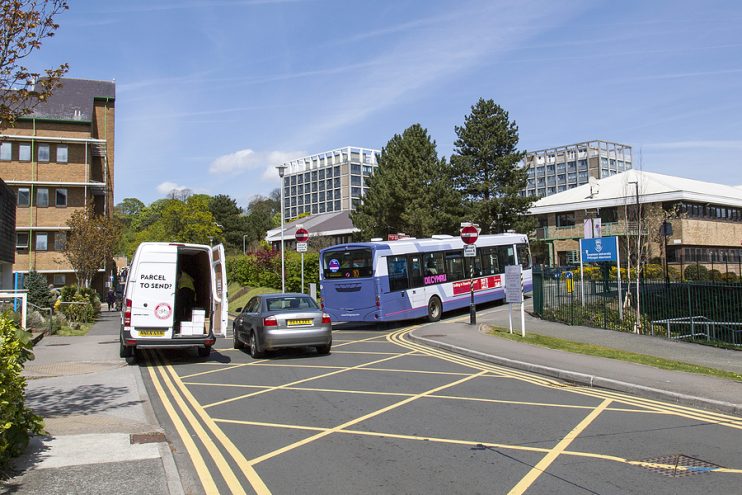
Unloading on Double Yellow Lines: What You Need to Know
Double yellow lines usually mean that waiting is prohibited at any time. However, in many parts of the UK, drivers may still be able to load or unload on them, provided no separate loading restriction applies and the vehicle is being used for a genuine loading or unloading activity.
When is unloading allowed?
You can generally load or unload on double yellow lines if there is no sign or kerb marking prohibiting it. The activity should be necessary, taking place continuously and completed as promptly as reasonably possible. For example, this may include carrying goods or materials between a vehicle and nearby premises.
There is no single time limit that applies everywhere. What counts as a reasonable period can depend on the circumstances, the goods being moved and local parking rules. A vehicle should not be left while the driver carries out unrelated tasks or waits for someone.
Check for loading restrictions
Before unloading, look for signs and short yellow marks painted on the kerb:
- One kerb mark: loading or unloading is restricted during the times shown on the nearby sign.
- Two kerb marks: loading or unloading is generally prohibited at any time.
Always read the signs carefully, as restrictions may apply only during specified hours or on particular days. Local rules and the relevant traffic order can also affect what is permitted.
Unloading is not the same as parking
A loading exemption does not give permission to park while running errands, waiting for a delivery, or leaving the vehicle for longer than the loading activity reasonably requires. The vehicle should be moved as soon as the goods have been delivered or collected.
Passenger pick-up and drop-off is generally not treated as loading goods. Separate rules may apply to boarding and alighting, so do not assume that the loading exemption covers a stop to collect or drop off passengers.
Other restrictions still apply
Even if loading is allowed on the double yellow lines, you must not stop where another restriction prohibits it or where your vehicle would cause an obstruction or create a safety risk. Check for nearby signs and restrictions such as bus stops, clearways, pedestrian crossings, junctions and designated loading bays. Red routes and other specially controlled roads may have different rules.
What about Blue Badge holders?
A Blue Badge may provide an exemption from some waiting restrictions, subject to specific conditions, but it does not automatically permit loading where a loading ban applies. Check the relevant signs and the current Blue Badge guidance before stopping.
Could you receive a penalty?
Yes. You may receive a Penalty Charge Notice if you stop during a loading ban, fail to comply with a sign, or remain longer than the permitted loading activity reasonably requires. If you receive a notice, check the location, signs and restrictions that applied at the time, and follow the instructions for challenging it if you believe it was issued incorrectly.
In summary
Unloading on double yellow lines is often permitted, but only where no loading restriction applies and the stop is genuinely for loading or unloading. Check the kerb markings and signs, keep the activity continuous, and move your vehicle promptly when it is complete.
Unloading on Double Yellow Lines: Six Tips to Follow
- Check nearby signs for loading restrictions.
- Look for kerb blips showing loading bans.
- Unload only where stopping is safe and permitted.
- Keep the loading activity continuous; don’t leave the vehicle unattended for other tasks.
- Move goods promptly and avoid obstructing traffic or pedestrians.
- Check local rules, as exemptions and time limits can vary.
Check nearby signs for loading restrictions.
Before unloading on double yellow lines, check nearby signs and kerb markings for loading restrictions. A sign may show that loading is banned at certain times, while one or two yellow marks on the kerb indicate restricted or prohibited loading. Make sure you understand when the restriction applies before stopping, as the rules can vary by location.
Look for kerb blips showing loading bans.
Before unloading on double yellow lines, check the kerb for short yellow marks, often called kerb blips. One mark usually indicates that loading is restricted at certain times, while two marks generally mean loading is prohibited at any time. Always check the nearby sign for the exact rules and hours, as unloading may be allowed only when no loading restriction is in force.
Unload only where stopping is safe and permitted.
When unloading on double yellow lines, choose a spot where stopping is both safe and permitted. Check for nearby signs and kerb markings that prohibit loading, and avoid places where your vehicle could obstruct traffic, pedestrians, cyclists or visibility. If there’s no applicable loading ban, unload promptly and move your vehicle as soon as you’ve finished.
Keep the loading activity continuous; don’t leave the vehicle unattended for other tasks.
When unloading on double yellow lines, keep the activity continuous and move the goods directly between your vehicle and their destination. Don’t leave the vehicle to run errands, attend appointments or carry out other unrelated tasks, as the stop may no longer count as loading and could result in a penalty.
Move goods promptly and avoid obstructing traffic or pedestrians.
When unloading on double yellow lines, move goods between your vehicle and the property promptly, and keep the process continuous. Avoid blocking traffic, driveways, cycle lanes or pedestrian routes, and never leave items where they could create a hazard. Once unloading is complete, move your vehicle as soon as possible.
Check local rules, as exemptions and time limits can vary.
Always check the signs and local parking rules before unloading on double yellow lines. Although loading is often permitted where no loading ban applies, exemptions and any time limits can vary by location, so don’t assume the same rules apply everywhere.