
Yellow Lines Along the Edge of the Road: What They Mean and When You Can Park
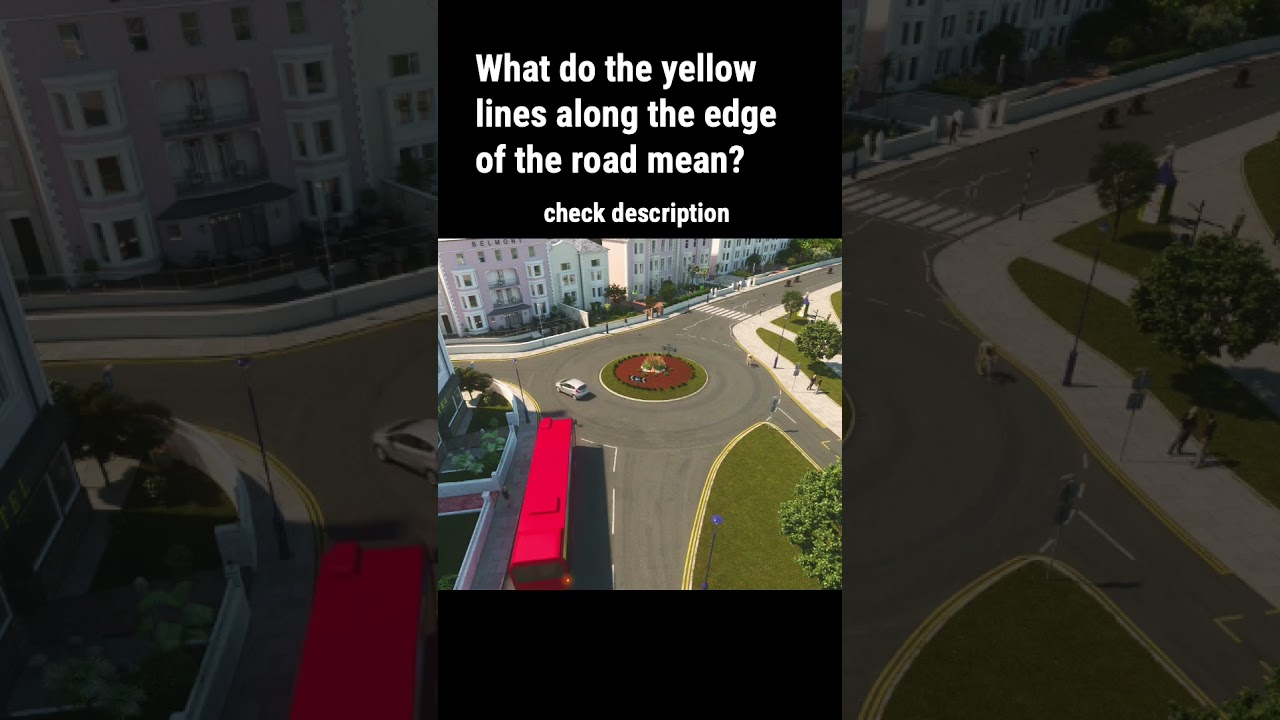
Yellow Lines Along the Edge of the Road: What They Mean
Yellow lines painted along the edge of a road show where parking or waiting is restricted. They help keep roads clear, improve visibility and access, and support the safe movement of traffic. In the UK, the restriction depends on whether the line is single or double, and on any signs or kerb markings nearby.
Single yellow lines
A single yellow line means that waiting is restricted at certain times. The permitted and restricted hours are usually shown on a nearby time plate. In some areas, such as controlled parking zones, the hours may instead be displayed on signs at the zone’s entry points.
Always check the signs before leaving your vehicle. Restrictions can vary between streets and may apply only on particular days or at certain times.
Double yellow lines
Double yellow lines mean that waiting is prohibited at any time, including weekends and public holidays, unless a sign says otherwise. A time plate is generally not needed to show an all-day restriction, though local signs may explain specific arrangements.
Waiting, stopping and parking
A restriction on waiting does not always mean that a vehicle cannot stop briefly. In many situations, drivers may stop to pick up or set down passengers, provided they do so safely and do not cause an obstruction. Separate restrictions, such as a bus stop clearway, red route or no-stopping sign, may prohibit stopping altogether.
Loading and unloading may also be allowed on yellow lines in some circumstances, but this depends on local rules and any kerb markings or signs. Do not assume that loading is permitted: check the restrictions in force at the location.
Yellow marks on the kerb
Short yellow marks painted across the kerb, alongside a yellow line, indicate restrictions on loading and unloading:
- One kerb mark: loading is restricted during the times shown on a nearby sign.
- Two kerb marks: loading is generally prohibited at any time.
Signs should be checked to confirm the days and times that apply. These kerb markings are different from the yellow line itself, which relates to waiting restrictions.
Blue Badge holders and exemptions
Blue Badge parking concessions may allow a badge holder to park on some yellow lines for a limited period, subject to conditions. However, concessions do not apply everywhere and do not override restrictions that prohibit stopping, loading or parking for safety reasons. Check the current Blue Badge guidance and local signs before parking.
How to avoid a parking penalty
- Look for nearby time plates and controlled parking zone signs.
- Check for kerb marks, loading restrictions and other signs.
- Make sure your vehicle is not causing an obstruction or blocking access.
- When in doubt, choose a place where parking is clearly permitted.
Yellow lines are part of the road’s traffic restrictions, and the details can vary from one location to another. Taking a moment to check the markings and signs can help you park legally and keep the road accessible for everyone.
Seven Benefits of Yellow Lines Along the Edge of the Road
- Make parking restrictions clear.
- Help keep junctions clear.
- Improve visibility for drivers.
- Support safer traffic flow.
- Keep access routes unobstructed.
- Help emergency vehicles pass.
- Make restrictions easy to recognise.
Drawbacks of Yellow Lines Along the Road Edge
- Can be confusing when signs are missing or unclear.
- Restrictions may limit convenient parking.
- Rules can vary between locations and times.
- Fines may apply if drivers misunderstand the markings.
Make parking restrictions clear.
Yellow lines make parking restrictions easy to see, helping drivers quickly understand where waiting or parking is limited. This clear visual guidance reduces confusion, encourages drivers to follow local rules and helps keep roads accessible for traffic, pedestrians and emergency vehicles.
Help keep junctions clear.
Yellow lines near junctions help keep the area clear by discouraging drivers from parking where they could block sightlines or obstruct turning vehicles. This makes it easier for drivers, cyclists and pedestrians to see one another and navigate the junction safely.
Improve visibility for drivers.
Yellow lines along the edge of the road can improve visibility by making restrictions and the road layout easier for drivers to recognise. Their bright colour stands out against the road surface, helping motorists identify areas where vehicles should not be parked. Keeping these spaces clear can also improve sightlines at junctions, bends and pedestrian crossings, making it easier to spot other road users and potential hazards.
Support safer traffic flow.
Yellow lines along the edge of the road support safer traffic flow by keeping vehicles from waiting or parking where they could obstruct moving traffic or reduce visibility. Clearer road edges help drivers see hazards, navigate junctions and pass one another more safely, while also reducing the risk of congestion caused by parked vehicles.
Keep access routes unobstructed.
Yellow lines help keep important access routes clear by preventing vehicles from waiting or parking where they could block entrances, junctions and narrow sections of road. This makes it easier for emergency services, buses, delivery vehicles and other road users to get through, while helping maintain safe and reliable access for nearby homes and businesses.
Help emergency vehicles pass.
Yellow lines help keep roads clear by restricting parking where it could obstruct traffic or narrow the route. This can make it easier for emergency vehicles, such as ambulances, fire engines and police cars, to get through quickly, particularly on busy or narrow streets where every second and every bit of road space can matter.
Make restrictions easy to recognise.
Yellow lines make parking and waiting restrictions easy to recognise at a glance. Their clear, consistent appearance helps drivers understand where restrictions apply, while nearby signs provide details such as the hours in force. This can reduce confusion, improve compliance and help keep roads clear for traffic and other road users.
Can be confusing when signs are missing or unclear.
Yellow lines can be confusing when nearby signs are missing, poorly positioned or difficult to read. Drivers may struggle to tell when restrictions apply or whether loading and unloading is allowed, increasing the risk of an accidental parking penalty. Clear, visible signs are essential to help road users understand the rules and park with confidence.
Restrictions may limit convenient parking.
Yellow lines along the edge of the road can make convenient parking harder for residents, visitors and local businesses. Where restrictions apply, drivers may need to park further away or spend extra time finding a permitted space, which can be inconvenient when carrying shopping, dropping someone off or making a quick visit.
Rules can vary between locations and times.
One drawback of yellow lines is that the rules can vary between locations and times, making them confusing for drivers. A single yellow line may restrict waiting only during certain hours, while nearby signs or controlled parking zone rules may set different limits. Drivers need to check the signs carefully each time they park, as assuming the same restrictions apply everywhere could lead to a penalty.
Fines may apply if drivers misunderstand the markings.
A drawback of yellow lines is that drivers can receive a parking fine if they misunderstand what the markings mean or overlook nearby signs. Restrictions may vary by location, time of day and whether the line is single or double, while kerb markings can impose separate loading limits. Checking the signs and markings carefully before stopping can help avoid an unexpected penalty.