
Cycle Path Sign: Types, Meanings and Where They’re Used
Cycle Path Signs: What They Mean and Where They’re Used
Cycle path signs help cyclists and other path users understand where they can travel, which parts of a route are intended for them, and how to navigate safely. In the UK, signs may identify a cycle-only path, a shared route for pedestrians and cyclists, or simply point towards a cycle route.
Knowing the difference matters: some signs give directions, while others indicate who is permitted or expected to use a path.
Common types of cycle path sign
Cycle-only signs
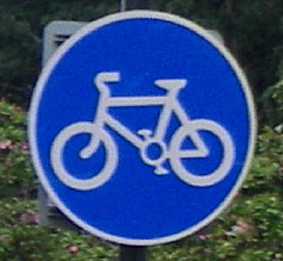
A blue circular sign showing a white bicycle indicates a route or track for pedal cycles. Circular blue signs are generally regulatory, so they should not be confused with signs that simply provide route information. Check the sign and any additional plates or road markings to understand exactly which area it applies to.
Shared-use signs
A shared-use sign shows symbols for both pedestrians and cyclists. It indicates that the route can be used by both groups. Where the symbols are separated into different sections, the route is divided: pedestrians and cyclists should keep to their designated sides.
Shared paths can be busy, so cyclists should ride considerately, leave pedestrians plenty of room and be prepared to slow down or stop.
Cycle route direction signs
Rectangular signs may show a bicycle symbol alongside a destination, route number or direction. These signs help users follow a cycle route, but they are usually informational rather than instructions to use a particular path. Follow any regulatory signs and markings encountered along the route.
How cycle signs work with road markings
Signs are often supported by painted symbols, lines or coloured surfacing. These markings can help show where a cycle lane begins and ends, separate a cycle track from a footway, or indicate a crossing point. They are especially useful at junctions and other places where routes meet.
Signs and markings should be considered together. A cycle symbol painted on the road may identify a cycle lane, while a sign may explain whether the facility is mandatory, advisory or shared. If the route is unclear, slow down and take care around other users.
Where cycle path signs are used
Cycle path signs are found on a wide range of routes, including paths beside roads, traffic-free greenways, parks, town-centre routes and routes through residential areas. They may also appear at entrances, crossings and junctions, where users need clear information about how the path continues.
Good sign placement gives people time to understand the route before they reach a decision point. Signs should be visible, legible and positioned so they do not obstruct pedestrians or cyclists.
Why clear cycle path signs matter
- They support safer journeys: clear signs help users anticipate where cyclists and pedestrians may meet.
- They reduce confusion: route information can make it easier to identify the correct path or direction.
- They encourage considerate use: shared-use signs remind people that space is used by different groups.
- They improve accessibility: consistent, readable signs help people make informed choices about their route.
Understanding signs on a cycle route
When approaching a cycle path sign, look for the symbols, shape, wording and any supplementary plates. A blue circular sign generally carries a regulatory instruction, whereas a rectangular sign is often used to provide route information. Road markings may add further detail.
Traffic signs in the UK are governed by regulations and guidance, including the Traffic Signs Regulations and General Directions. For the rules that apply to a particular route, consult the sign in place and the relevant Highway Code guidance.
Frequently asked questions
Does every cycle path sign mean cyclists must use the path?
No. Some signs indicate a designated or shared route, while others provide directions to a destination. The sign’s shape, symbols and any accompanying information help establish its meaning.
Can pedestrians use a cycle path?
That depends on the signs and layout. A shared-use sign indicates that both pedestrians and cyclists may use the route. A cycle-only facility is identified differently, so users should check the signs at the entrance and along the path.
Are cycle path signs legally regulated in the UK?
Yes. Traffic signs used on public roads are subject to UK regulations and guidance. The Traffic Signs Regulations and General Directions set out prescribed signs and how they may be used.
Clear signs make better routes
A well-signed cycle route helps people understand where to ride, where to expect pedestrians and how to continue at junctions. When signs and road markings are consistent and easy to see, they make cycle routes more straightforward for everyone using them.
9 Tips for Understanding and Following Cycle Path Signs
- Look for the blue cycle-path sign.
- Check whether the path is for cycles only.
- Watch for signs shared with pedestrians.
- Follow arrows and route numbers.
- Check signs at junctions before turning.
- Give way where signs tell you to.
- Slow down near crossings and busy areas.
- Look out for temporary diversion signs.
- Use lights if signs are hard to see at night.
Look for the blue cycle-path sign.
Look for the blue cycle-path sign to check whether you’re on a route intended for cyclists or a shared path. Pay attention to the symbols and any extra wording: a bicycle symbol may indicate a cycle-only route, while signs showing both a bicycle and a pedestrian indicate shared use. Slow down and be considerate where paths are shared.
Check whether the path is for cycles only.
Before setting off, check whether the sign shows a cycle-only path or a route shared with pedestrians. This helps you understand who is permitted to use the path and what to expect along the way. If the signs are unclear, slow down and give other path users plenty of space.
Watch for signs shared with pedestrians.
Watch for signs indicating that a cycle path is shared with pedestrians. These routes can become busy, so slow down when needed, give people plenty of space and be prepared to stop—especially near crossings, junctions and entrances.
Follow arrows and route numbers.
Follow the arrows and route numbers shown on cycle path signs to stay on course and reach your destination. Check signs at junctions and crossings, where routes may branch or change direction, and look out for the same route number on subsequent signs. If the route is unclear, slow down and check before continuing.
Check signs at junctions before turning.
Check signs at junctions before turning, as they can show whether the cycle path continues, changes direction or crosses another route. Slow down, look out for pedestrians and other cyclists, and follow any signs or road markings to make your turn safely.
Give way where signs tell you to.
Give way where signs tell you to. A cycle path sign or road marking may show that you need to slow down and let pedestrians, traffic or other path users go first. Approach junctions and crossings carefully, check both ways, and wait until it’s safe to continue.
Slow down near crossings and busy areas.
Slow down as you approach crossings and busy areas, where pedestrians, children and other cyclists may appear unexpectedly. Give way where required, stay alert to signs and road markings, and be ready to stop. A considerate speed gives everyone more time to react and helps make shared routes safer.
Look out for temporary diversion signs.
Look out for temporary diversion signs when using a cycle path, as maintenance work, events or roadworks may close part of your usual route. Follow the indicated alternative, take extra care at junctions and crossings, and give yourself time to check where the diversion leads. If a sign is unclear or the route feels unsafe, slow down and choose a safe alternative.
Use lights if signs are hard to see at night.
If cycle path signs are difficult to see after dark, use a front light to help illuminate the route and make signs easier to spot. A rear light helps other path users see you, while reflective clothing or accessories can improve your visibility. Keep your speed down and stay alert, particularly where paths are shared or signs may be obscured.