
Optimising Road Traffic Management for Safer and Efficient Journeys
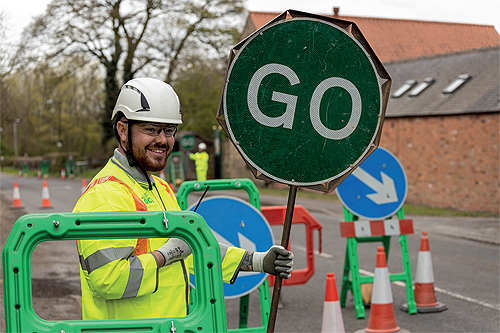
Road Traffic Management: Ensuring Safe and Efficient Journeys
Road traffic management plays a crucial role in ensuring the safety and efficiency of our road networks. With the increasing number of vehicles on the roads, effective traffic management strategies are essential to prevent congestion, reduce accidents, and improve overall traffic flow.
The Importance of Road Traffic Management
Proper road traffic management involves a combination of infrastructure planning, traffic control measures, and communication systems to regulate the movement of vehicles on roads. By implementing effective traffic management practices, authorities can:
- Improve road safety by reducing the risk of accidents and collisions.
- Enhance traffic flow and reduce congestion, leading to shorter travel times and lower fuel consumption.
- Optimise the use of road space and infrastructure to accommodate increasing vehicle volumes.
- Facilitate emergency services’ access during critical situations.
- Promote sustainable transportation options such as public transport, cycling lanes, and pedestrian-friendly infrastructure.
Key Components of Road Traffic Management
Road traffic management encompasses various components that work together to create a safe and efficient transportation system:
- Traffic Signs and Signals: Clear signage and signals provide essential information to drivers, pedestrians, and cyclists to navigate roads safely.
- Road Markings: Road markings such as lane dividers, crosswalks, and stop lines help organise traffic flow and delineate different road areas.
- Traffic Control Devices: Devices like speed bumps, bollards, and barriers help regulate vehicle speed and restrict access in specific areas.
- Traffic Monitoring Systems: Technologies like CCTV cameras, sensors, and data analytics enable authorities to monitor traffic conditions in real-time and respond proactively to incidents.
- Traffic Management Plans: Comprehensive plans outline strategies for managing traffic during events, construction projects, or emergencies to minimise disruptions.
The Future of Road Traffic Management
As technology continues to advance, the future of road traffic management is evolving towards smarter solutions. Intelligent transportation systems (ITS), connected vehicles, autonomous driving technologies, and real-time data analytics will revolutionise how we manage traffic on our roads. By embracing innovation and sustainability in road traffic management practices, we can create safer, more efficient journeys for all road users.
Understanding Road Traffic Management: Key Questions and Answers
- What is traffic management for high speed roads?
- What are the duties of the traffic management Act?
- Can you block a road for 15 minutes?
- What is traffic management in India?
- What do you mean by traffic management?
- What does road traffic management do?
- What is the meaning of road traffic management?
- How much do you get paid for traffic management?
What is traffic management for high speed roads?
Traffic management for high-speed roads involves the implementation of specific strategies and measures to ensure the safe and efficient flow of traffic on roads with higher speed limits. This includes advanced planning of road layouts, signage, lane markings, and traffic signals to accommodate high-speed vehicles while maintaining safety standards. Additionally, measures such as speed limit enforcement, regular maintenance of road infrastructure, effective communication systems, and emergency response protocols are crucial components of traffic management for high-speed roads. By prioritising safety, capacity, and smooth traffic flow on these roads, authorities can minimise risks and enhance the overall driving experience for motorists travelling at higher speeds.
What are the duties of the traffic management Act?
The Traffic Management Act outlines the responsibilities and duties related to the management of traffic on public roads in the United Kingdom. This legislation sets out guidelines for local authorities to regulate traffic flow, parking, and road safety measures within their jurisdictions. The Act empowers authorities to implement traffic management schemes, control parking enforcement, and establish measures to improve road safety and reduce congestion. By defining clear duties and powers for managing traffic, the Traffic Management Act aims to enhance road efficiency, safety, and overall transportation quality for the benefit of all road users.
Can you block a road for 15 minutes?
In the context of road traffic management, the decision to block a road for a specific duration, such as 15 minutes, is typically made based on careful consideration of various factors. Temporary road closures are sometimes necessary for events, construction work, emergency response, or traffic management purposes. However, blocking a road, even for a short period, can impact traffic flow and inconvenience road users. Therefore, authorities must assess the situation’s urgency and plan alternative routes or provide advance notice to minimise disruption and ensure the safety of all individuals affected by the temporary closure.
What is traffic management in India?
Traffic management in India refers to the planning, coordination, and implementation of strategies to regulate and control the flow of vehicles on roads across the country. With the rapid urbanisation and increasing vehicle population in India, effective traffic management is essential to address congestion, improve road safety, and enhance overall transportation efficiency. This includes measures such as traffic signals, road markings, lane discipline enforcement, public transport infrastructure development, and the use of technology for monitoring and managing traffic flow. By implementing comprehensive traffic management initiatives, India aims to create safer and more sustainable road networks that cater to the growing needs of its diverse population.
What do you mean by traffic management?
Traffic management refers to the strategic planning, coordination, and implementation of measures to regulate and control the flow of traffic on roads. It encompasses a range of practices and solutions aimed at improving road safety, reducing congestion, enhancing traffic efficiency, and ensuring the smooth movement of vehicles, pedestrians, and cyclists. Traffic management involves the use of various tools such as road signs, signals, markings, control devices, monitoring systems, and traffic management plans to create a safe and orderly transportation system. By effectively managing traffic flow and implementing appropriate measures, authorities can optimise road infrastructure use and enhance overall mobility for all road users.
What does road traffic management do?
Road traffic management plays a vital role in overseeing and regulating the movement of vehicles on roads to ensure safety, efficiency, and orderliness. Essentially, road traffic management involves the implementation of various strategies, such as traffic control devices, signage, road markings, and monitoring systems, to facilitate smooth traffic flow, reduce congestion, prevent accidents, and enhance overall road safety. By coordinating these elements effectively, road traffic management aims to optimise the use of road infrastructure, improve travel times for road users, and create a safer environment for all individuals navigating the roads.
What is the meaning of road traffic management?
Road traffic management refers to the strategic planning, coordination, and implementation of measures designed to regulate and control the movement of vehicles on roads. It encompasses a range of practices aimed at ensuring the safe and efficient flow of traffic, reducing congestion, preventing accidents, and improving overall transportation systems. Road traffic management involves the use of various tools and techniques such as traffic signs, signals, road markings, speed limits, traffic control devices, monitoring systems, and traffic management plans to create a cohesive and organised environment for all road users. By effectively managing road traffic, authorities can enhance road safety, optimise traffic flow, and enhance the overall mobility experience for drivers, pedestrians, cyclists, and other road users.
How much do you get paid for traffic management?
The payment for traffic management services can vary depending on several factors, including the scope of the project, the duration of the work, the complexity of traffic control required, and the specific services provided. Traffic management professionals may be compensated on an hourly basis, a project-based fee, or a combination of both. Rates can also differ based on location, industry standards, and individual qualifications and experience. It is advisable to consult with a reputable traffic management company to receive a tailored quote based on your specific requirements and budget constraints.