
Navigating Welsh Roads: Understanding Road Signs in Wales
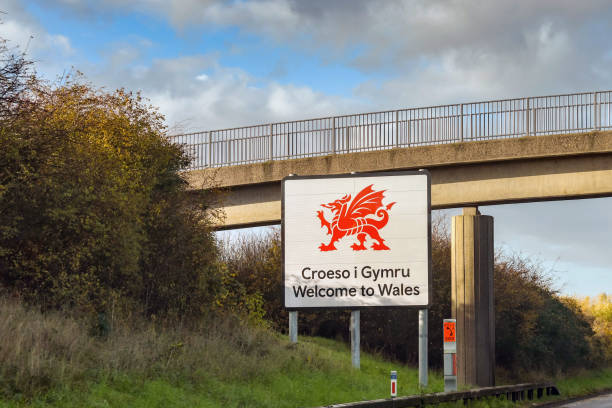
Road Signs in Wales: A Guide to Understanding Welsh Traffic Signs
Wales, with its stunning landscapes and diverse road networks, has a unique set of road signs that play a crucial role in ensuring road safety and efficient traffic flow. Understanding these signs is essential for all road users to navigate Welsh roads confidently.
Main Types of Road Signs in Wales
There are several main categories of road signs you may encounter while driving in Wales:
- Regulatory Signs: These signs convey laws and regulations that drivers must follow, such as speed limits, no entry zones, and parking restrictions.
- Warning Signs: Warning signs alert drivers to potential hazards ahead, such as sharp bends, pedestrian crossings, or animals crossing the road.
- Informational Signs: These signs provide useful information to drivers, including directions to towns or cities, distances to upcoming exits, and services available at upcoming junctions.
- Directional Signs: Directional signs help drivers navigate complex road networks by indicating routes to specific destinations or landmarks.
- Road Markings: In addition to signs, road markings in Wales play a vital role in guiding traffic flow and indicating rules of the road, such as lane divisions and pedestrian crossings.
Key Features of Welsh Road Signs
Welsh road signs have some unique features that distinguish them from those used in other parts of the UK. For example:
- The Welsh language is often included on road signs alongside English. This bilingual approach reflects Wales’s cultural heritage and ensures that all road users can understand the information provided.
- Certain regions in Wales may have specific signage related to local attractions or historical sites. These signs add character to the roads and help promote tourism within the region.
- In rural areas of Wales, you may encounter warning signs for livestock crossings or narrow roads due to the country’s agricultural landscape and scenic routes.
Importance of Road Sign Awareness
Being aware of and understanding Welsh road signs is essential for safe and efficient driving in Wales. By familiarising yourself with the different types of signs and their meanings, you can navigate Welsh roads confidently while promoting overall road safety for yourself and others.
Benefits of Welsh Road Signs: Enhancing Inclusivity, Safety, and Navigation
- Welsh road signs feature bilingual text in English and Welsh, promoting inclusivity and cultural diversity.
- Specific regional signage in Wales highlights local attractions and historical landmarks, enriching the driving experience.
- Road signs in Wales help drivers navigate complex road networks efficiently, reducing the risk of getting lost.
- Clear and prominent warning signs on Welsh roads alert drivers to potential hazards ahead, enhancing road safety.
- The use of road markings in Wales complements signage to provide additional guidance for drivers, improving traffic flow.
Challenges Faced by Drivers Due to Road Signage Issues in Wales
- Some road signs in Wales may only be written in Welsh, which can be confusing for non-Welsh speakers.
- Certain road signs in rural areas of Wales may not be well-maintained, leading to reduced visibility and effectiveness.
- The bilingual nature of Welsh road signs can sometimes result in cluttered signage that may overwhelm drivers.
- Inconsistent placement of road signs across different regions of Wales can cause confusion for drivers unfamiliar with local routes.
- Road signs in Wales may not always provide clear directions to popular tourist destinations or landmarks, impacting visitor experience.
- During adverse weather conditions such as heavy fog or rain, visibility of road signs in Wales may be significantly reduced, posing a safety risk.
- The use of traditional symbols and cultural references on some Welsh road signs may be unfamiliar to visitors from outside the region, potentially causing confusion.
Welsh road signs feature bilingual text in English and Welsh, promoting inclusivity and cultural diversity.
One notable advantage of road signs in Wales is their bilingual nature, featuring text in both English and Welsh. This practice promotes inclusivity and cultural diversity, ensuring that all road users, regardless of their language preference, can easily understand and follow the information provided. By incorporating both languages on road signs, Wales celebrates its unique cultural heritage and fosters a sense of unity among its diverse population, making the roads more accessible and welcoming to everyone.
Specific regional signage in Wales highlights local attractions and historical landmarks, enriching the driving experience.
Specific regional signage in Wales highlights local attractions and historical landmarks, enriching the driving experience for road users. These signs not only serve as informative guides but also showcase the rich cultural heritage and diverse landscapes that Wales has to offer. By drawing attention to unique points of interest along the road, such as castles, museums, or natural wonders, these regional signs enhance the journey for drivers and encourage exploration of the country’s hidden treasures.
Road signs in Wales help drivers navigate complex road networks efficiently, reducing the risk of getting lost.
Road signs in Wales play a crucial role in helping drivers navigate complex road networks efficiently, thereby reducing the risk of getting lost. By providing clear directions, route information, and landmarks, Welsh road signs enable drivers to make informed decisions and follow the correct routes to reach their destinations with ease. This not only enhances the overall driving experience but also contributes significantly to road safety by minimising confusion and ensuring smoother traffic flow on Welsh roads.
Clear and prominent warning signs on Welsh roads alert drivers to potential hazards ahead, enhancing road safety.
Clear and prominent warning signs on Welsh roads play a crucial role in enhancing road safety by alerting drivers to potential hazards ahead. These signs effectively communicate important information about upcoming dangers such as sharp bends, pedestrian crossings, or adverse road conditions, allowing drivers to adjust their speed and behaviour accordingly. By providing timely warnings, Welsh road signs help prevent accidents and promote safer driving practices, ultimately contributing to a more secure road environment for all road users.
The use of road markings in Wales complements signage to provide additional guidance for drivers, improving traffic flow.
The integration of road markings in Wales serves as a valuable supplement to traditional signage, enhancing driver guidance and ultimately contributing to smoother traffic flow on the roads. By combining clear and strategically placed road markings with informative signage, drivers are provided with comprehensive visual cues that help them navigate more efficiently and safely. This proactive approach not only improves the overall driving experience but also plays a significant role in enhancing road safety and reducing congestion, highlighting the importance of well-coordinated road infrastructure in Wales.
Some road signs in Wales may only be written in Welsh, which can be confusing for non-Welsh speakers.
One significant drawback of road signs in Wales is that some signs may only be written in Welsh, posing a challenge for non-Welsh speakers. This language barrier can lead to confusion and uncertainty for drivers who are unfamiliar with the Welsh language. In such instances, non-Welsh speakers may struggle to interpret the information provided on these signs, potentially compromising road safety and navigation efficiency. Efforts to improve bilingual signage or provide additional translations could help address this issue and ensure that all road users can easily understand and follow the guidance provided by Welsh road signs.
Certain road signs in rural areas of Wales may not be well-maintained, leading to reduced visibility and effectiveness.
Certain road signs in rural areas of Wales may suffer from inadequate maintenance, resulting in diminished visibility and effectiveness. This lack of upkeep can pose challenges for drivers, as faded or damaged signs may fail to convey important information promptly. Reduced visibility of road signs in rural areas could potentially increase the risk of accidents or confusion among road users, highlighting the importance of regular maintenance and upkeep to ensure clear communication and enhance overall road safety.
The bilingual nature of Welsh road signs can sometimes result in cluttered signage that may overwhelm drivers.
The bilingual nature of Welsh road signs, while reflecting the cultural heritage of Wales and promoting inclusivity, can present a significant con in the form of cluttered signage that has the potential to overwhelm drivers. The inclusion of both Welsh and English languages on road signs may lead to visual congestion, making it challenging for drivers to quickly and effectively process the information displayed. This cluttered signage could potentially distract drivers from essential messages and increase the risk of confusion or misinterpretation, highlighting the importance of striking a balance between linguistic diversity and visual clarity in designing road signs in Wales.
Inconsistent placement of road signs across different regions of Wales can cause confusion for drivers unfamiliar with local routes.
The inconsistent placement of road signs across different regions of Wales can present a significant challenge for drivers who are not familiar with local routes. This lack of uniformity in sign placement can lead to confusion and uncertainty, especially for those navigating unfamiliar areas. Drivers may struggle to interpret the meaning of certain signs or miss crucial information due to variations in sign positioning. As a result, road users may experience difficulties in following directions accurately and efficiently, potentially impacting road safety and traffic flow in diverse regions of Wales.
Road signs in Wales may not always provide clear directions to popular tourist destinations or landmarks, impacting visitor experience.
Road signs in Wales may not always provide clear directions to popular tourist destinations or landmarks, impacting visitor experience. Tourists and travellers relying on road signs to navigate their way to well-known attractions or landmarks may encounter difficulties due to inadequate signage. This lack of clear direction can lead to confusion, frustration, and potentially longer travel times as visitors strive to find their desired destinations. Improving the clarity and visibility of road signs directing towards key tourist spots can enhance the overall experience for visitors exploring the beautiful landscapes and cultural treasures of Wales.
During adverse weather conditions such as heavy fog or rain, visibility of road signs in Wales may be significantly reduced, posing a safety risk.
During adverse weather conditions such as heavy fog or rain, visibility of road signs in Wales may be significantly reduced, posing a safety risk. The diminished clarity of road signs due to weather-related factors can lead to confusion among drivers and compromise road safety. In such situations, it is crucial for motorists to exercise extra caution, adapt their driving speed to the conditions, and be prepared for sudden changes on the road. Authorities in Wales may also need to consider implementing additional measures to enhance the visibility of road signs during adverse weather to mitigate potential safety hazards.
The use of traditional symbols and cultural references on some Welsh road signs may be unfamiliar to visitors from outside the region, potentially causing confusion.
The use of traditional symbols and cultural references on some Welsh road signs may be unfamiliar to visitors from outside the region, potentially causing confusion. While these elements add a unique cultural touch to the signage in Wales, they may pose challenges for those not accustomed to Welsh traditions and iconography. Visitors unfamiliar with the symbols may find it difficult to interpret the intended messages of the signs, leading to confusion and potential navigation issues on Welsh roads. Awareness of these cultural nuances is crucial for all road users to ensure clear communication and understanding while travelling in Wales.