
Green Lane Bikes: Choosing the Right Bike for UK Trails
Green Lane Bikes: Choosing the Right Bike for UK Green Lanes
Green lanes offer a way to explore the British countryside beyond the tarmac. These unpaved routes can range from firm gravel tracks to rocky, muddy trails, so the right bike depends on the route, the weather and whether you mean a pedal cycle or a motorcycle.
What is a green lane?
“Green lane” is an informal term for an unsurfaced route. It may be a bridleway, byway or another type of public right of way, and the legal access rights can differ from one route to another. Some routes allow bicycles but not motor vehicles; others may permit motor vehicles, subject to restrictions. A track that looks rideable is not necessarily open to every type of bike.
Before setting out, check the route’s status with the relevant local authority and look for signs, closures and traffic regulation orders. Follow the Countryside Code, respect local residents and other users, and leave gates as you find them.
Choosing a pedal bike for green lanes
For most riders, a mountain bike is a versatile choice. Wide tyres, reliable brakes and a comfortable riding position help on rough or slippery ground. A hardtail mountain bike is often suitable for smoother tracks, while a full-suspension model can offer extra comfort and control on more challenging terrain.
Gravel bikes can be a good option for longer routes made up mainly of firm tracks and gravel. Their drop handlebars and faster-rolling tyres suit mixed-surface rides, although they may be less comfortable on very rocky or muddy sections. For touring or utility riding, a sturdy hybrid can manage easier lanes, particularly with tyres designed for mixed terrain.
Choosing a motorcycle for green lanes
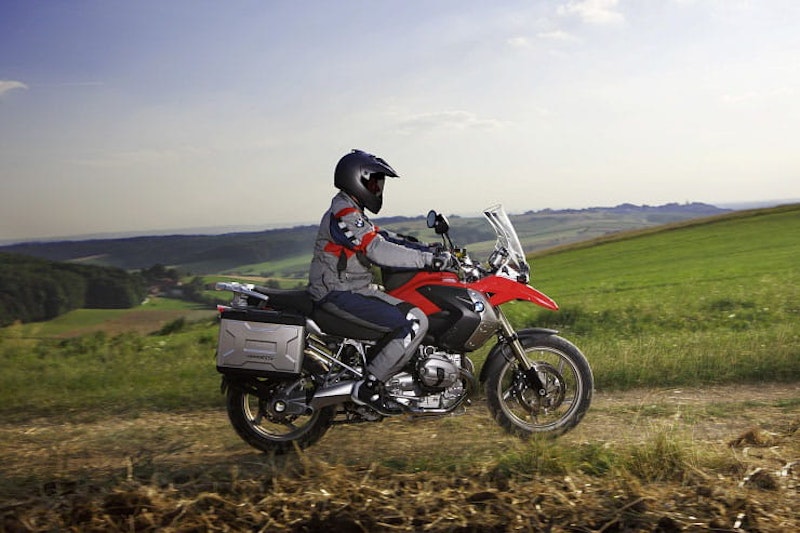
Riders looking for a motorbike should consider a lightweight trail or enduro-style motorcycle, with a manageable seat height, suitable tyres and enough ground clearance for uneven surfaces. A lighter bike can be easier to handle at low speeds and on narrow routes, but the best choice will depend on the rider’s experience and the terrain.
Only ride motor vehicles on routes where they are legally permitted. Check that the motorcycle is road-legal and that the rider has the required licence, insurance and protective equipment. Ride considerately, keep noise to a minimum and avoid routes that are closed or unsuitable for motor traffic.
What to take on a green lane ride
- A helmet and clothing appropriate to the weather and type of riding
- Water, food and a charged mobile phone
- A map or navigation device, with the route checked in advance
- Basic repair equipment, such as a pump and puncture kit for bicycles
- Lights and high-visibility clothing if visibility may be poor
Ride responsibly
Green lanes are shared spaces. Slow down when approaching walkers, horse riders and other cyclists, and give them plenty of room. Avoid riding through deep mud or standing water if doing so could damage the route, and turn back if conditions become unsafe. On a bicycle or motorcycle, considerate riding helps protect the countryside and keeps routes welcoming for everyone.
Finding the right green lane bike
The best green lane bike is one that suits the routes you are allowed to use and that you can control confidently. Start with easier, well-surfaced tracks, build your skills gradually and check local access information before every ride. With suitable equipment and a thoughtful approach, green lanes can be a rewarding way to enjoy the UK countryside.
Your Guide to Green Lane Biking: FAQs on Bikes, Routes, and Regulations in the UK
- What is a green lane bike?
- Which type of bike is best for riding green lanes?
- Can you ride a mountain bike on green lanes in the UK?
- Are motorbikes allowed on all green lanes?
- What equipment should you take when riding green lanes?
- How can you check whether a green lane is open to your bike?
What is a green lane bike?
A green lane bike is a bicycle or motorcycle suited to riding on unsurfaced routes such as gravel tracks, bridleways and byways. The term describes the bike’s intended use rather than a specific model: cyclists might choose a mountain or gravel bike, while motorcyclists may opt for a trail or enduro bike. Before riding, check that your chosen route is legally open to your type of bike, as access rules vary.
Which type of bike is best for riding green lanes?
The best bike for riding green lanes depends on the route and whether you mean a pedal bike or a motorcycle. For pedal cyclists, a mountain bike is a versatile choice for rough, muddy or uneven tracks, while a gravel bike suits firmer lanes and longer mixed-surface rides. For motorcyclists, a lightweight trail or enduro bike can be easier to handle on uneven ground. Always check that the route permits your type of bike, as access rules vary.
Can you ride a mountain bike on green lanes in the UK?
Yes, you can ride a mountain bike on many green lanes in the UK, but access depends on the route’s legal status. Cycling is generally permitted on bridleways, restricted byways and byways open to all traffic, but not on public footpaths unless you have permission. As “green lane” is an informal term, check the route with the local authority or an up-to-date rights-of-way map before setting off, and follow any signs or temporary closures.
Are motorbikes allowed on all green lanes?
No. Motorbikes are not allowed on all green lanes: access depends on the route’s legal status, and some tracks are open only to walkers, cyclists or horse riders. Before setting off, check whether motor vehicles are permitted and look out for signs, local restrictions and temporary closures. Riding where motor vehicles are prohibited can be unlawful, so if access is unclear, choose another route or check with the relevant local authority.
What equipment should you take when riding green lanes?
When riding green lanes, take a well-maintained bike, a helmet and weather-appropriate protective clothing. Pack water, snacks, a charged mobile phone, a map or GPS device, and basic repair items such as a pump, puncture kit and multi-tool. Lights and high-visibility clothing are useful in poor weather or fading daylight. If riding a motorcycle, carry the legally required documents and wear suitable protective gear. Check your route and the forecast before setting off, and take any extra equipment needed for the distance and conditions.
How can you check whether a green lane is open to your bike?
To check whether a green lane is open to your bike, first identify its legal status using the local council’s definitive map and statement, or contact the council’s rights-of-way team. Check whether the route is a public bridleway, byway or another type of right of way, as access can differ for pedal cycles and motorbikes. Look for local traffic regulation orders, temporary closures and on-site signs, and consult up-to-date mapping or guidance from a reputable local authority or land manager. If the route’s status is unclear, confirm it before riding rather than assuming it is open.