
Enhancing Accessibility: The Value of a Disabled Parking Space Outside Your House
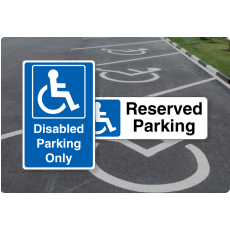
The Importance of Having a Disabled Parking Space Outside Your House
Having a designated disabled parking space outside your house can make a significant difference in the daily life of individuals with mobility challenges. It provides convenience, accessibility, and safety for those who rely on accessible parking spaces.
Accessibility and Convenience
For people with disabilities or limited mobility, having a dedicated parking space right outside their home means they can easily access their vehicle without having to navigate long distances or obstacles. This level of convenience can greatly enhance their independence and quality of life.
Safety and Security
A designated disabled parking space outside the house ensures that individuals with disabilities have a safe and secure place to park their vehicles. It reduces the risk of accidents or injuries that may occur when trying to park in crowded or inaccessible areas.
Legal Requirements
In many countries, including the UK, there are legal requirements for providing disabled parking spaces in residential areas. These regulations are in place to ensure equal access and rights for individuals with disabilities. By having a designated disabled parking space outside your house, you are not only meeting legal requirements but also contributing to a more inclusive community.
Community Support and Awareness
Having a disabled parking space outside your house can also raise awareness about accessibility issues within your community. It sends a powerful message of support for individuals with disabilities and promotes a culture of inclusivity and understanding.
Conclusion
In conclusion, having a disabled parking space outside your house is not just about compliance with regulations; it is about creating an environment that is accessible, safe, and supportive for all members of the community. By providing this essential amenity, you are making a positive impact on the lives of individuals with disabilities and promoting equality and inclusivity.
Frequently Asked Questions About Disabled Parking Spaces Outside Your Home in the UK
- How big should a disabled parking space be?
- Can you apply for a parking space outside your house?
- Can I park in a disabled space outside a house?
- Is it illegal to park in a disabled space outside a house UK?
- What is a disabled parking space?
- How do I get a disabled parking space outside my house in Birmingham?
- Can my neighbour stop me parking outside their house?
- Is it illegal to park in a disabled bay outside someone’s house?
How big should a disabled parking space be?
When considering the size of a disabled parking space outside a house, it is essential to adhere to specific guidelines to ensure accessibility and safety for individuals with disabilities. According to regulations in the UK, a standard disabled parking space should be at least 3.6 meters wide and 4.8 meters long, with additional space provided for access aisles on either side. This size allows for wheelchair users to comfortably enter and exit their vehicle, as well as providing enough room for mobility aids and assistance devices. By following these dimensions, homeowners can create a designated parking area that meets the necessary requirements for accommodating individuals with disabilities effectively.
Can you apply for a parking space outside your house?
Many individuals wonder whether they can apply for a parking space outside their house, especially if they or a family member have a disability. In the UK, it is possible to apply for a disabled parking space outside your house through your local council. The process typically involves submitting an application along with relevant documentation to demonstrate the need for a designated parking space due to mobility issues. The council will assess the request based on specific criteria and regulations to determine eligibility. Having a designated disabled parking space outside your house can greatly improve accessibility and quality of life for those with disabilities, providing convenience and safety right at their doorstep.
Can I park in a disabled space outside a house?
In the UK, parking in a disabled space outside a house is generally reserved for individuals with a valid Blue Badge permit or those who have been granted specific permission to use the space. It is important to respect designated disabled parking spaces to ensure accessibility for those who rely on them. Unauthorized parking in these spaces can prevent individuals with disabilities from accessing their homes conveniently and safely. Therefore, it is crucial to adhere to parking regulations and only use disabled parking spaces if you are eligible to do so, either through a Blue Badge permit or other authorised means.
Is it illegal to park in a disabled space outside a house UK?
In the UK, it is not illegal to park in a disabled space outside a house unless it is specifically designated as a disabled parking bay with official road markings and signage. These designated spaces are typically reserved for individuals with disabilities who hold a valid Blue Badge permit. Parking in a disabled space without authorization can result in fines or penalties as it may obstruct access for those who genuinely require the space for mobility reasons. It is important to respect and adhere to the regulations governing disabled parking spaces to ensure accessibility and inclusivity for individuals with disabilities within the community.
What is a disabled parking space?
A disabled parking space is a designated parking area specifically reserved for individuals with disabilities or limited mobility. These spaces are usually marked with the international symbol of accessibility, which consists of a blue wheelchair symbol on a white background. Disabled parking spaces are strategically located near building entrances, facilities, or services to provide easier access for people with disabilities. These spaces are essential for ensuring equal access to public areas and facilities, allowing individuals with disabilities to park closer to their destination and reduce the barriers they may face when navigating parking lots or streets.
How do I get a disabled parking space outside my house in Birmingham?
To obtain a disabled parking space outside your house in Birmingham, you will need to follow a specific process outlined by the local council. Typically, you would need to contact the Birmingham City Council’s parking services department to request an application for a disabled parking space. The application process may require you to provide documentation such as proof of disability, proof of residency, and other relevant details. The council will assess your application based on eligibility criteria and available resources before making a decision. It is advisable to reach out to the council for detailed information on the specific steps and requirements for obtaining a disabled parking space outside your house in Birmingham.
Can my neighbour stop me parking outside their house?
In the UK, the issue of parking outside a neighbour’s house, particularly in the context of a disabled parking space, can be a sensitive subject. While there are no specific laws preventing someone from parking on a public road outside another person’s property, it is essential to consider factors such as courtesy, respect for others’ needs, and local regulations. In the case of a designated disabled parking space, it is crucial to prioritise accessibility for individuals with disabilities and ensure that they have unobstructed access to their designated parking area. Open communication and mutual understanding between neighbours can help address concerns and find amicable solutions that respect everyone’s needs and rights.
Is it illegal to park in a disabled bay outside someone’s house?
It is illegal to park in a disabled bay outside someone’s house if you do not have a valid disabled parking permit or badge. Disabled parking bays are designated for individuals with disabilities who require accessible parking spaces for their mobility needs. Parking in a disabled bay without the proper authorization not only violates parking regulations but also denies individuals with disabilities the right to access these reserved spaces. It is important to respect and adhere to the rules governing disabled parking bays to ensure equal access and rights for those who depend on them for daily activities.