
Enhancing Safety and Efficiency: The Importance of Construction Traffic Management Plans
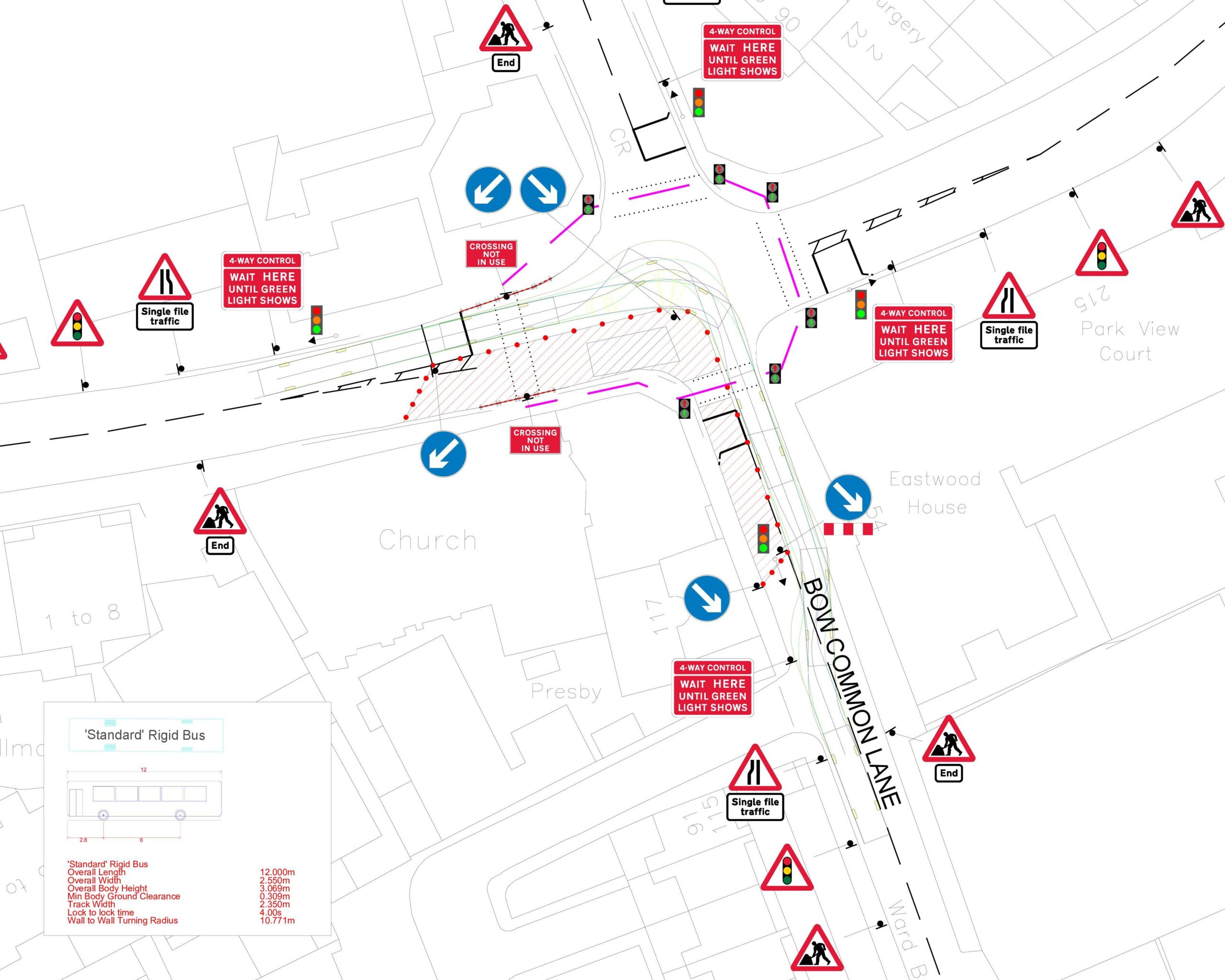
Construction Traffic Management Plans
Construction sites can be busy and chaotic places, with various vehicles and personnel moving around to complete projects efficiently. To ensure the safety of workers, pedestrians, and motorists in and around construction zones, it is essential to have comprehensive traffic management plans in place.
What are Construction Traffic Management Plans?
A Construction Traffic Management Plan (CTMP) is a detailed document that outlines how traffic will be managed in and around a construction site. It includes strategies to minimise congestion, maintain pedestrian safety, and reduce the impact of construction activities on surrounding roads.
Key Components of CTMPs
- Traffic flow: CTMPs specify how traffic will flow in and out of the construction site to prevent bottlenecks and ensure smooth movement of vehicles.
- Pedestrian safety: Measures such as designated walkways, barriers, and signage are included to protect pedestrians from vehicular traffic.
- Road closures: If necessary, CTMPs detail planned road closures or diversions to redirect traffic away from construction activities.
- Parking arrangements: Guidelines for on-site parking for construction vehicles and workers are outlined to prevent obstruction of public roads.
- Emergency procedures: CTMPs include protocols for managing emergencies such as accidents or vehicle breakdowns within the construction site.
- Environmental considerations: Strategies to minimise noise pollution, dust emissions, and other environmental impacts related to construction traffic are addressed.
Importance of CTMPs
Effective Construction Traffic Management Plans are crucial for maintaining safety, minimising disruptions to local communities, and ensuring compliance with regulatory requirements. By implementing well-developed CTMPs, construction companies can enhance project efficiency while prioritising the well-being of all stakeholders involved.
In conclusion, Construction Traffic Management Plans play a vital role in promoting safety and efficiency on construction sites. By carefully planning and implementing traffic management strategies, construction companies can mitigate risks and create a secure environment for workers and the public alike.
Effective Strategies for Construction Traffic Management: 8 Essential Tips
- 1. Plan ahead to minimize disruptions to traffic flow.
- 2. Clearly communicate the construction schedule and any road closures to the public.
- 3. Use signage and barriers effectively to guide traffic safely around the construction site.
- 4. Consider alternative routes for vehicles to reduce congestion near the site.
- 5. Ensure that emergency access routes are always clear and accessible.
- 6. Coordinate with local authorities to obtain necessary permits for temporary traffic management measures.
- 7. Implement speed limits within the construction zone for safety of workers and drivers.
- 8. Regularly review and update the traffic management plan as needed based on feedback and changing conditions.
1. Plan ahead to minimize disruptions to traffic flow.
To minimise disruptions to traffic flow, it is essential to plan ahead when developing Construction Traffic Management Plans. By anticipating potential bottlenecks and implementing proactive strategies, such as scheduling deliveries during off-peak hours or establishing alternative routes for construction vehicles, construction companies can effectively manage traffic flow around the site. Planning ahead not only helps to reduce congestion and delays but also enhances safety for workers and road users by ensuring a smooth and coordinated flow of traffic throughout the construction process.
2. Clearly communicate the construction schedule and any road closures to the public.
To effectively manage construction traffic, it is crucial to clearly communicate the construction schedule and any planned road closures to the public. By providing timely and accurate information about when and where construction activities will take place, as well as any disruptions to regular traffic flow, local residents, businesses, and commuters can better plan their journeys and adjust their routes accordingly. Transparent communication helps minimise confusion, reduce inconvenience, and foster cooperation between the construction team and the community, ultimately leading to a smoother and safer construction process for all involved.
3. Use signage and barriers effectively to guide traffic safely around the construction site.
To enhance construction site safety and efficiency, it is crucial to utilise signage and barriers effectively to direct traffic safely around the premises. Clear and visible signage helps motorists and pedestrians navigate around the construction site, reducing the risk of accidents or confusion. Barriers play a vital role in delineating safe pathways and restricting access to hazardous areas, ensuring that all individuals adhere to designated routes for their safety. By implementing these measures thoughtfully, construction projects can maintain a secure environment for workers and passersby while minimising traffic disruptions.
4. Consider alternative routes for vehicles to reduce congestion near the site.
When developing Construction Traffic Management Plans, it is essential to consider alternative routes for vehicles to alleviate congestion near the construction site. By identifying and utilising alternative pathways, construction companies can help minimise traffic build-up in the vicinity of the project, improving overall traffic flow and reducing delays for both motorists and pedestrians. This proactive approach not only enhances safety but also contributes to a more efficient and organised construction process.
5. Ensure that emergency access routes are always clear and accessible.
It is crucial to ensure that emergency access routes are always clear and accessible as part of construction traffic management plans. In the event of an emergency, quick and unimpeded access for emergency services is essential to ensure the safety of workers, visitors, and the surrounding community. By keeping these routes free from obstructions and well-maintained, construction sites can respond promptly to any unforeseen incidents and potentially save lives. Prioritising the accessibility of emergency access routes demonstrates a commitment to proactive safety measures and responsible construction practices.
6. Coordinate with local authorities to obtain necessary permits for temporary traffic management measures.
To ensure smooth traffic flow and safety around construction sites, it is essential to coordinate with local authorities to secure the required permits for implementing temporary traffic management measures. By obtaining necessary approvals in advance, construction projects can effectively manage road closures, diversions, and other traffic control measures while complying with regulations. Collaboration with local authorities not only enhances the efficiency of construction traffic management plans but also demonstrates a commitment to prioritising public safety and minimising disruptions to the surrounding community.
7. Implement speed limits within the construction zone for safety of workers and drivers.
Implementing speed limits within the construction zone is a crucial aspect of construction traffic management plans to ensure the safety of both workers and drivers. By setting and enforcing appropriate speed limits, construction sites can reduce the risk of accidents, injuries, and fatalities. Slower speeds allow drivers to react more effectively to changing conditions within the construction zone, such as obstacles, machinery movement, or pedestrian crossings. This measure not only protects the well-being of those on-site but also promotes a culture of caution and awareness that contributes to a safer working environment overall.
8. Regularly review and update the traffic management plan as needed based on feedback and changing conditions.
It is crucial to regularly review and update the traffic management plan in construction projects, as suggested in tip 8. By actively seeking feedback from stakeholders and monitoring changing conditions, construction teams can adapt the plan to address emerging challenges and ensure its effectiveness throughout the project lifecycle. This proactive approach allows for continuous improvement in traffic management strategies, enhancing safety and efficiency on-site while remaining responsive to evolving circumstances.