
Optimising Event Traffic Management for a Seamless Experience
The Importance of Event Traffic Management
Event traffic management plays a crucial role in ensuring the smooth flow of vehicles and pedestrians during various events, ranging from music festivals and sporting events to conferences and exhibitions. Proper planning and execution of traffic management strategies are essential to prevent congestion, minimise delays, and enhance overall safety for attendees and participants.
Key Aspects of Event Traffic Management
Effective event traffic management involves several key aspects:
- Planning: Thorough planning is essential to anticipate traffic volumes, identify potential bottlenecks, and determine the best routes for incoming and outgoing traffic.
- Communication: Clear communication with attendees, staff, and local authorities is vital to provide guidance on parking locations, drop-off points, road closures, and alternative routes.
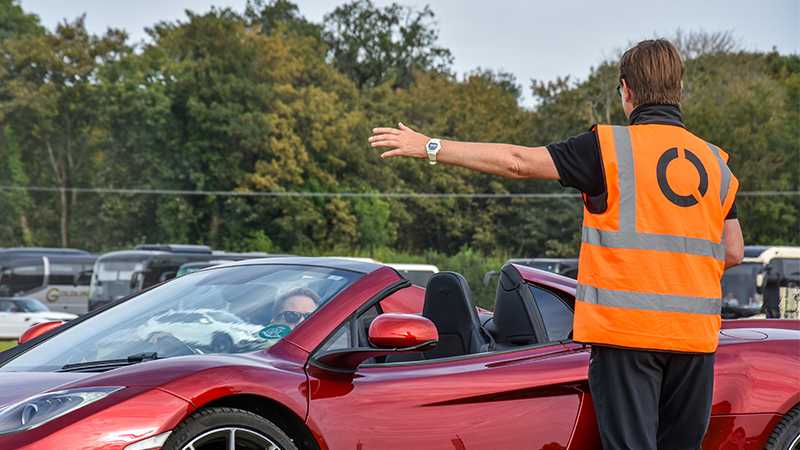
- Traffic Control: Trained personnel or traffic marshals may be deployed to direct vehicles, manage intersections, and ensure the safe movement of traffic within the event area.
- Parking Management: Organising designated parking areas, implementing efficient parking layouts, and providing shuttle services can help optimise parking capacity and reduce congestion.
- Safety Measures: Implementing safety measures such as speed limits, pedestrian crossings, signage, barriers, and emergency response plans are essential to protect both motorists and pedestrians.
The Benefits of Effective Traffic Management
Proper event traffic management offers numerous benefits:
- Improved Traffic Flow: Well-planned traffic management strategies can prevent gridlock and ensure a steady flow of vehicles in and out of the event venue.
- Enhanced Safety: By reducing congestion and minimising conflicts between vehicles and pedestrians, effective traffic management can enhance overall safety for everyone involved.
- Positive Experience: A smooth traffic flow contributes to a positive experience for attendees, exhibitors, performers, and staff by reducing stress levels associated with transportation issues.
- Economic Benefits: Efficient traffic management can boost local businesses by facilitating access to the event venue and encouraging participation from a wider audience.
In conclusion, event traffic management is a critical component of successful event planning. By prioritising safety, efficiency, communication, and coordination among stakeholders involved in organising an event, effective traffic management can contribute significantly to its overall success.
Essential FAQs for Effective Event Traffic Management
- 1. How can I plan for event traffic management?
- 2. What are the key considerations when managing traffic for an event?
- 3. Do I need permits or permissions for implementing traffic control measures at my event?
- 4. How can I communicate effectively with attendees regarding parking and traffic information?
- 5. What safety measures should be in place to ensure the well-being of both motorists and pedestrians during an event?
- 6. Are there alternative transportation options available to reduce reliance on private vehicles for event attendees?
- 7. Who is responsible for overseeing and coordinating traffic management efforts during an event?
1. How can I plan for event traffic management?
Planning for event traffic management is a crucial step in ensuring the smooth flow of vehicles and pedestrians during any event. To effectively plan for event traffic management, it is essential to start by conducting a thorough assessment of the anticipated traffic volume, identifying potential bottlenecks, and determining the best routes for incoming and outgoing traffic. Clear communication with attendees, staff, and local authorities is key to providing guidance on parking locations, drop-off points, road closures, and alternative routes. Developing a comprehensive traffic management plan that includes strategies for traffic control, parking management, safety measures, and contingency plans will help mitigate congestion, minimise delays, and enhance overall safety for all participants.
2. What are the key considerations when managing traffic for an event?
When managing traffic for an event, several key considerations must be taken into account to ensure the smooth flow of vehicles and pedestrians. Planning is essential, including anticipating traffic volumes, identifying potential bottlenecks, and determining optimal routes for incoming and outgoing traffic. Clear communication with attendees, staff, and local authorities is vital to provide guidance on parking locations, road closures, and alternative routes. Traffic control measures such as deploying trained personnel to direct vehicles and manage intersections play a crucial role in maintaining order and safety. Additionally, effective parking management strategies, safety measures like speed limits and signage, as well as contingency plans for emergencies are all important factors to consider when managing traffic for an event.
3. Do I need permits or permissions for implementing traffic control measures at my event?
Organising an event involves various logistical considerations, including traffic control measures. One frequently asked question is whether permits or permissions are required for implementing such measures. In most cases, yes, you will need to obtain permits or permissions from the relevant authorities to implement traffic control measures at your event. These permits ensure that your traffic management plan complies with local regulations, maintains safety standards, and minimises disruptions to the surrounding area. It is essential to consult with local authorities or transportation departments early in the planning process to understand the specific requirements and obtain the necessary approvals to execute effective traffic control strategies for your event.
4. How can I communicate effectively with attendees regarding parking and traffic information?
To communicate effectively with attendees regarding parking and traffic information, event organisers can employ various strategies. Utilising multiple communication channels such as event websites, social media platforms, email newsletters, and mobile apps can help disseminate important parking and traffic details to attendees. Providing clear and concise instructions on designated parking areas, available transportation options, recommended routes, and any road closures or diversions can help attendees plan their journey effectively. Additionally, using signage at key locations near the event venue and deploying staff or volunteers to assist with directing traffic and answering queries can enhance communication and ensure a smooth arrival experience for attendees.
5. What safety measures should be in place to ensure the well-being of both motorists and pedestrians during an event?
To ensure the well-being of both motorists and pedestrians during an event, several safety measures should be implemented. Adequate signage indicating speed limits, pedestrian crossings, and parking areas can help guide both drivers and pedestrians safely. The presence of trained personnel or traffic marshals to manage traffic flow, direct vehicles, and assist pedestrians in crossing roads can enhance overall safety. Installing barriers or bollards to separate pedestrian walkways from vehicle lanes can prevent accidents and ensure a clear pathway for pedestrians. Additionally, having emergency response plans in place, such as designated evacuation routes and on-site medical assistance, is crucial to address any unforeseen incidents promptly and effectively. By incorporating these safety measures, event organisers can create a secure environment for all participants and minimise the risk of accidents or injuries during the event.
6. Are there alternative transportation options available to reduce reliance on private vehicles for event attendees?
To address the question of alternative transportation options for event attendees and reduce reliance on private vehicles, event organisers can consider implementing various strategies. These may include promoting public transport services such as buses, trains, or trams that provide convenient access to the event venue. Additionally, offering shuttle services from designated pick-up points can encourage attendees to leave their cars at home. Carpooling initiatives and partnerships with ride-sharing companies can also help reduce the number of individual vehicles on the road, easing traffic congestion and parking demands during the event. By providing diverse transportation options and incentivising sustainable travel choices, organisers can enhance the overall attendee experience while minimising the environmental impact of large-scale events.
7. Who is responsible for overseeing and coordinating traffic management efforts during an event?
During an event, the responsibility for overseeing and coordinating traffic management efforts typically falls on a designated team or individual, often appointed by the event organisers or local authorities. This individual or team is responsible for planning and implementing traffic management strategies, ensuring the smooth flow of vehicles and pedestrians, coordinating with relevant stakeholders such as traffic marshals, law enforcement agencies, and transportation providers, and addressing any unforeseen challenges that may arise during the event. Effective communication, coordination, and expertise are essential qualities for those tasked with overseeing event traffic management to ensure a safe and efficient experience for all attendees.