
Ensuring Safety and Efficiency: The Key to Successful Events Traffic Control
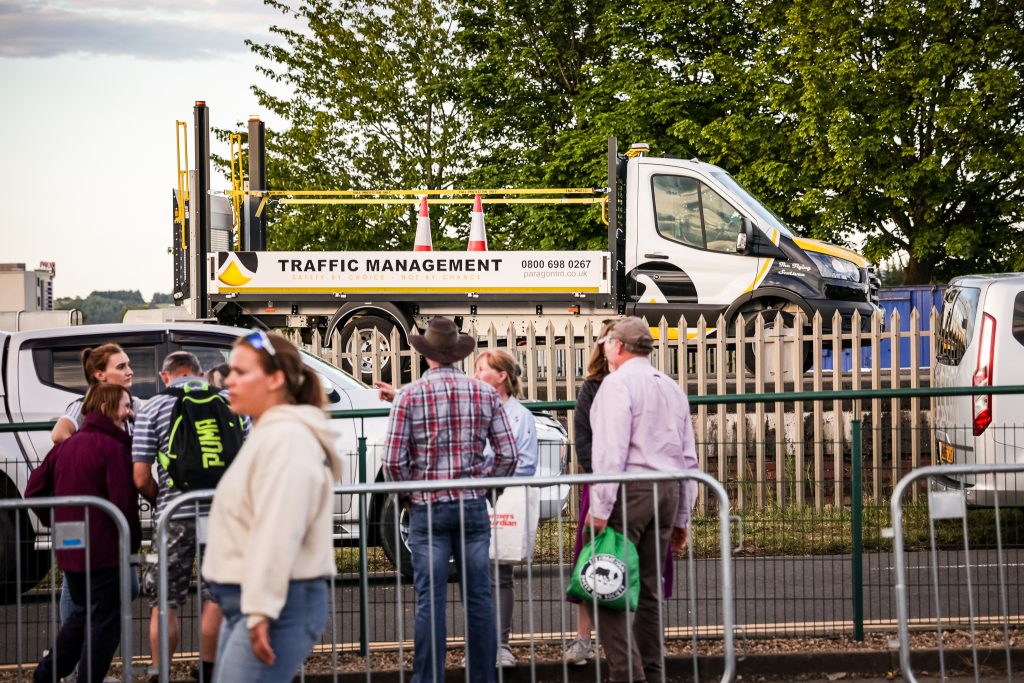
Events Traffic Control: Ensuring Safety and Efficiency
Organising events can be exciting, but ensuring the safety and efficiency of traffic flow around event venues is crucial. Events traffic control plays a vital role in managing the influx of vehicles, pedestrians, and other road users during events of all sizes.
The Importance of Events Traffic Control
Events traffic control involves planning and implementing strategies to regulate traffic before, during, and after an event. Proper traffic management not only improves safety for attendees and participants but also minimises congestion, reduces the risk of accidents, and enhances the overall experience for everyone involved.
Key Components of Events Traffic Control
Effective events traffic control typically includes:
- Traffic Management Plan: Developing a comprehensive plan that outlines traffic routes, parking areas, signage placement, and designated drop-off/pick-up points.
- Traffic Signage: Using clear and visible signage to direct vehicles towards event entrances/exits, parking areas, and designated pedestrian walkways.
- Traffic Marshals: Deploying trained personnel to direct traffic flow, assist with parking coordination, and ensure compliance with traffic regulations.
- Road Closures: Implementing temporary road closures or diversions to accommodate event activities while maintaining smooth traffic flow in surrounding areas.
- Pedestrian Management: Designating safe pedestrian pathways, crosswalks, and barriers to separate foot traffic from vehicular traffic.
- Emergency Response Plan: Establishing protocols for responding to accidents, medical emergencies, or other unforeseen incidents that may impact traffic flow or public safety.
The Role of Professional Traffic Management Companies
For large-scale events or those held in complex urban environments, hiring a professional traffic management company can streamline the planning process and ensure compliance with local regulations. These companies have the expertise to assess site-specific needs, develop customised traffic control solutions, and coordinate with relevant authorities to obtain necessary permits.
In conclusion, effective events traffic control is essential for creating a safe and enjoyable experience for all participants. By prioritising proper planning, communication, and implementation of traffic management strategies, event organisers can minimise disruptions on the road while maximising the success of their events.
Understanding Event Traffic Control: Key Concepts and FAQs
- What are the examples of traffic control?
- What is a rolling road closure?
- What is the function of traffic control?
- What are the 5 C’s of an event?
- What are the traffic control methods?
- How much do you get paid for traffic management?
- What is event traffic management?
What are the examples of traffic control?
When it comes to events traffic control, there are several examples of traffic control measures that play a crucial role in managing traffic flow and ensuring safety. Some common examples include the use of traffic signage to guide vehicles towards designated parking areas or event entrances, the deployment of trained traffic marshals to direct vehicles and pedestrians, the implementation of temporary road closures or diversions to accommodate event activities, and the establishment of pedestrian walkways and barriers to separate foot traffic from vehicular traffic. These examples demonstrate the diverse strategies employed in events traffic control to maintain order and efficiency on the roads during events of varying sizes and complexities.
What is a rolling road closure?
A rolling road closure is a traffic management technique commonly used during events to temporarily close sections of roads to facilitate the safe passage of event participants or vehicles. Unlike traditional road closures that block off an entire stretch of road for an extended period, a rolling road closure involves a controlled movement of the closure point along the route, allowing traffic to be temporarily halted and then reopened in a coordinated manner. This method helps maintain traffic flow in adjacent areas while ensuring the safety of participants and spectators during events such as marathons, parades, or cycling races.
What is the function of traffic control?
The function of traffic control is to manage and regulate the flow of vehicles, pedestrians, and other road users to ensure safety, efficiency, and order on the roads. Traffic control measures help prevent accidents, reduce congestion, and improve overall traffic flow during events or in everyday situations. By implementing strategies such as signage, road markings, traffic signals, lane closures, and the deployment of trained personnel like traffic marshals, traffic control aims to create a structured environment that minimises risks and maximises the smooth movement of people and vehicles.
What are the 5 C’s of an event?
When it comes to event planning and management, the concept of the 5 C’s is often referenced as a guiding framework for success. The 5 C’s of an event typically include: Concept, Coordination, Communication, Control, and Close-out. These elements encompass the essential aspects of creating and executing a successful event. The concept sets the foundation for the event’s purpose and theme, coordination involves organising logistics and resources, communication ensures clear messaging to stakeholders, control focuses on managing all aspects during the event itself, and close-out involves evaluating outcomes and concluding the event effectively. By adhering to the 5 C’s of an event, organisers can enhance their planning process and deliver memorable experiences for attendees.
What are the traffic control methods?
When it comes to events traffic control, various traffic control methods are employed to ensure the smooth and safe flow of vehicles and pedestrians. These methods include the use of traffic signs and signals to communicate rules and directions, temporary road closures or diversions to manage traffic flow, designated parking areas with clear markings, deployment of trained traffic marshals to direct vehicles and pedestrians, as well as implementing pedestrian walkways and barriers for safety. Each method plays a crucial role in coordinating traffic effectively during events, promoting orderliness and reducing the risk of congestion or accidents.
How much do you get paid for traffic management?
When it comes to traffic management for events, payment can vary depending on several factors such as the scale of the event, duration of the project, specific requirements, and location. Traffic management professionals may charge hourly rates, flat fees for specific services, or project-based pricing. It is important to consult with experienced traffic management companies to discuss your event’s unique needs and obtain a detailed quote that aligns with your budget and expectations. Transparency and clarity regarding payment terms are essential to ensure a successful collaboration in delivering effective traffic control solutions for events.
What is event traffic management?
Event traffic management refers to the strategic planning and implementation of measures to regulate traffic flow in and around event venues. This includes developing comprehensive traffic management plans, deploying trained personnel such as traffic marshals to direct vehicles and pedestrians, coordinating road closures or diversions when necessary, and ensuring the safety and efficiency of traffic operations before, during, and after an event. Effective event traffic management aims to minimise congestion, enhance safety for all road users, and create a seamless experience for attendees and participants.