
Enhancing Pedestrian Safety with Effective Barrier Solutions
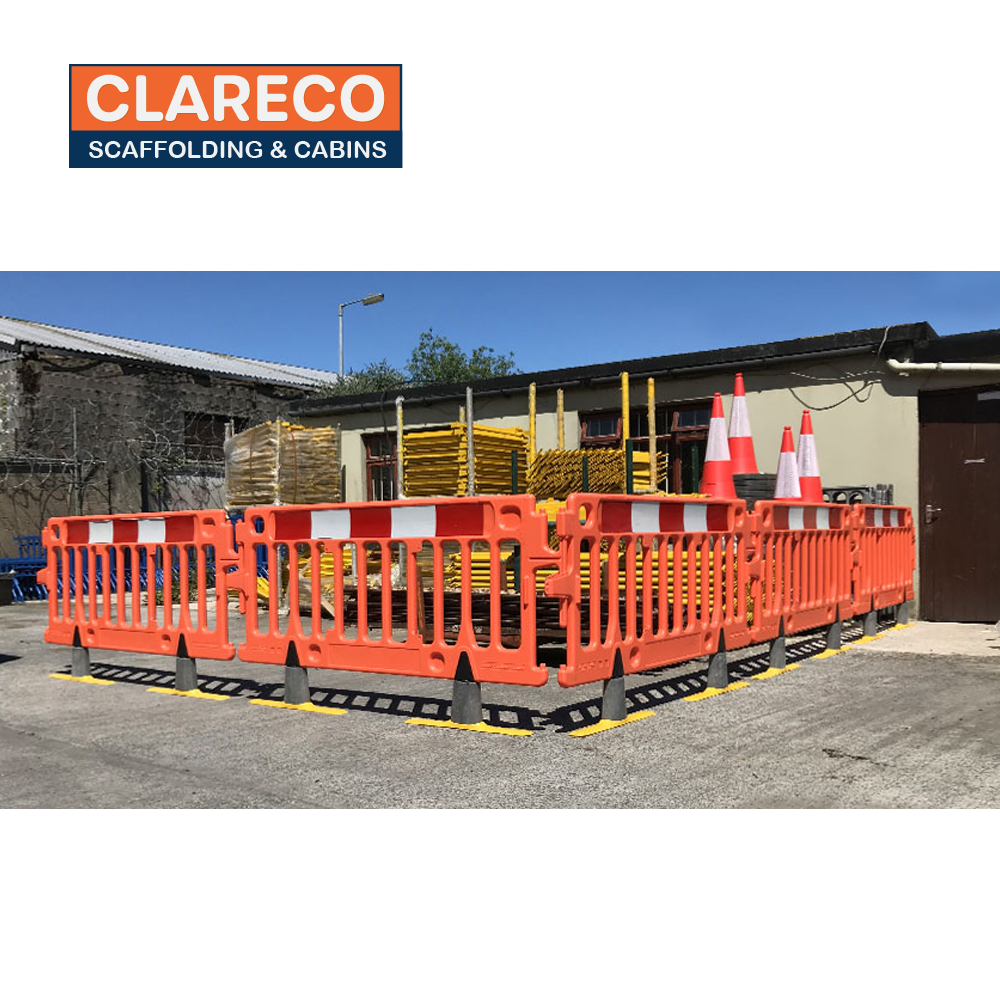
The Importance of Pedestrian Safety Barriers
Pedestrian safety barriers play a crucial role in ensuring the safety of pedestrians in various settings, including roadsides, construction sites, event venues, and public spaces. These barriers are designed to protect pedestrians from potential hazards and guide them towards safe pathways.
Key Benefits of Pedestrian Safety Barriers:
- Enhanced Safety: Pedestrian safety barriers create a physical barrier between pedestrians and vehicles or hazardous areas, reducing the risk of accidents and injuries.
- Traffic Management: By clearly defining pedestrian walkways and separating them from vehicle lanes, safety barriers help improve traffic flow and prevent conflicts between pedestrians and vehicles.
- Crowd Control: In crowded areas such as events or public gatherings, safety barriers help manage pedestrian movement and prevent overcrowding, ensuring a safer environment for everyone.
- Construction Sites: Safety barriers are essential on construction sites to protect pedestrians from construction activities, machinery, and falling debris. They also help demarcate safe pedestrian routes around the site.
- Visibility: Brightly coloured or reflective safety barriers increase visibility for both pedestrians and drivers, especially in low-light conditions or areas with poor visibility.
Types of Pedestrian Safety Barriers:
There are various types of pedestrian safety barriers available to suit different environments and requirements:
- Temporary Barriers: Ideal for short-term events or roadworks, temporary safety barriers can be easily installed and removed as needed.
- Permanent Barriers: Installed in permanent locations such as roadside footpaths or pedestrian zones, permanent safety barriers provide long-term protection for pedestrians.
- Crowd Control Barriers: These barriers are designed to manage crowds at events, concerts, festivals, or demonstrations by guiding pedestrian flow and preventing overcrowding.
- Roadside Barriers: Positioned along roadsides to separate pedestrians from moving traffic, roadside barriers enhance road safety for both pedestrians and drivers.
- Fencing Systems: Fencing systems offer additional security by creating a physical boundary around pedestrian areas while still allowing visibility and airflow.
In conclusion, pedestrian safety barriers are essential elements in creating safe and secure environments for pedestrians in various settings. By investing in quality safety barriers and proper installation, we can significantly reduce the risk of accidents and ensure the well-being of pedestrians in our communities.
9 Essential Tips for Effective Pedestrian Safety Barrier Management
- Ensure barriers are clearly visible with reflective materials or bright colours.
- Regularly inspect barriers for damage or wear and tear, replacing any damaged parts promptly.
- Position barriers strategically to guide pedestrians away from hazards or restricted areas.
- Use temporary barriers in construction zones to protect pedestrians from potential dangers.
- Consider the height of barriers to prevent people from climbing over them easily.
- Provide clear signage indicating pedestrian routes and safe crossing points around barriers.
- Train staff on proper barrier placement and maintenance procedures to ensure effectiveness.
- Monitor pedestrian traffic patterns to adjust barrier placement for optimal safety measures.
- Collaborate with local authorities to comply with regulations regarding pedestrian safety barriers.
Ensure barriers are clearly visible with reflective materials or bright colours.
To enhance pedestrian safety, it is crucial to ensure that barriers are clearly visible by using reflective materials or bright colours. This simple yet effective tip helps increase visibility for both pedestrians and drivers, especially in low-light conditions or areas with poor visibility. By making safety barriers easily noticeable, we can significantly reduce the risk of accidents and create a safer environment for pedestrians to navigate with confidence.
Regularly inspect barriers for damage or wear and tear, replacing any damaged parts promptly.
It is crucial to ensure pedestrian safety barriers are regularly inspected for any signs of damage or wear and tear. Promptly replacing any damaged parts is essential to maintain the effectiveness of the barriers in protecting pedestrians from potential hazards. Regular maintenance and timely repairs help uphold the integrity of the barriers, ensuring they continue to serve their purpose of enhancing pedestrian safety in various environments.
Position barriers strategically to guide pedestrians away from hazards or restricted areas.
When it comes to pedestrian safety barriers, positioning them strategically is key to effectively guiding pedestrians away from potential hazards or restricted areas. By placing barriers in strategic locations, such as around construction sites, roadworks, or event venues, pedestrians are directed towards safe pathways and kept away from dangerous areas. This proactive approach not only enhances pedestrian safety but also helps prevent accidents and injuries by clearly defining secure routes for pedestrians to follow.
Use temporary barriers in construction zones to protect pedestrians from potential dangers.
When it comes to pedestrian safety in construction zones, using temporary barriers is a crucial measure to protect pedestrians from potential dangers. These barriers serve as a physical barrier between pedestrians and construction activities, machinery, and other hazards, ensuring that pedestrians are guided safely around the site. By implementing temporary barriers in construction zones, we can effectively mitigate risks and create a safer environment for pedestrians to navigate through the area without being exposed to potential dangers.
Consider the height of barriers to prevent people from climbing over them easily.
When implementing pedestrian safety barriers, it is crucial to consider the height of the barriers to deter individuals from easily climbing over them. By ensuring that the barriers are of adequate height, we can effectively prevent unauthorised access to restricted areas and enhance overall pedestrian safety. Properly designed barriers that are difficult to climb over not only serve as physical boundaries but also act as effective deterrents, reducing the risk of accidents and ensuring that pedestrians remain safe within designated areas.
Provide clear signage indicating pedestrian routes and safe crossing points around barriers.
To enhance pedestrian safety when using safety barriers, it is crucial to provide clear signage that indicates pedestrian routes and safe crossing points around the barriers. Clear and visible signage helps pedestrians navigate their way safely, guiding them towards designated crossing points and away from potential hazards. By clearly marking pedestrian pathways and crossing areas, we can ensure that pedestrians are aware of the safest routes to follow, reducing the risk of accidents and improving overall pedestrian safety in various environments.
Train staff on proper barrier placement and maintenance procedures to ensure effectiveness.
It is crucial to train staff on the correct placement and maintenance procedures of pedestrian safety barriers to maximise their effectiveness in ensuring pedestrian safety. Proper training ensures that barriers are positioned strategically to create safe pathways for pedestrians and effectively block off hazardous areas. Additionally, regular maintenance procedures, such as checking for damage or wear, can help prolong the lifespan of the barriers and ensure they remain functional and reliable in protecting pedestrians from potential risks. By investing in staff training and maintenance protocols, organisations can uphold a high standard of pedestrian safety barrier management and contribute to creating safer environments for pedestrians.
Monitor pedestrian traffic patterns to adjust barrier placement for optimal safety measures.
Monitoring pedestrian traffic patterns is a crucial tip for ensuring the effectiveness of pedestrian safety barriers. By observing how pedestrians navigate through an area, we can identify high-traffic zones, potential bottlenecks, and areas of congestion that may require adjustments to barrier placement. This proactive approach allows us to optimise the placement of safety barriers to create clear and safe pathways for pedestrians, ultimately enhancing overall safety measures in the environment.
Collaborate with local authorities to comply with regulations regarding pedestrian safety barriers.
It is crucial to collaborate with local authorities to ensure compliance with regulations regarding pedestrian safety barriers. By working closely with the relevant authorities, you can ensure that the safety barriers installed meet the required standards and guidelines for pedestrian protection. This collaborative approach not only helps in enhancing pedestrian safety but also demonstrates a commitment to upholding legal requirements and promoting a safe environment for pedestrians in the community.