
Mastering the Art of Painting Perfectly Straight Lines
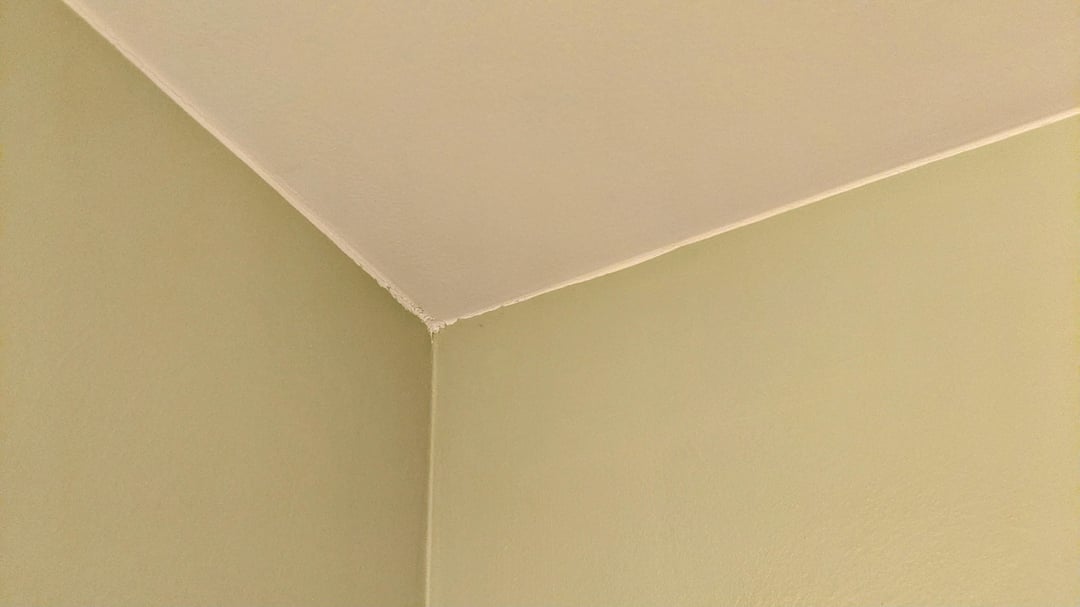
Painting Straight Lines: Tips and Techniques
Painting straight lines may seem like a simple task, but achieving perfectly straight lines requires practice, patience, and the right techniques. Whether you are painting walls, furniture, or any other surface, here are some tips to help you master the art of painting straight lines:
Use the Right Tools
Invest in high-quality painter’s tape to create clean, crisp lines. Make sure the surface is clean and dry before applying the tape to prevent paint bleed. A good quality paintbrush or roller will also help you achieve straight lines with ease.
Measure and Mark
Use a measuring tape and a pencil to mark where you want your straight line to go. This will serve as a guide for your painting and ensure that your lines are even and symmetrical.
Painting Technique
Start by loading your brush or roller with paint and apply it along the edge of the tape. Use steady, even strokes to prevent drips or uneven coverage. Remove the tape while the paint is still wet to reveal your perfectly straight line.
Practice Makes Perfect
Don’t be discouraged if your first attempts at painting straight lines are not perfect. Like any skill, practice is key to improving your technique. Take your time, focus on precision, and soon you’ll be painting flawless straight lines effortlessly.
Conclusion
Mastering the art of painting straight lines is a valuable skill that can elevate the look of any project. By using the right tools, measuring carefully, employing proper technique, and practising regularly, you can achieve professional-looking results every time.
Mastering Straight Lines: 7 Essential Tips for Perfect Paint Edges
- Use painter’s tape to create clean edges.
- Ensure the surface is clean and dry before painting.
- Invest in high-quality paint brushes or a good quality painter’s tool.
- Practice your technique on a spare piece of cardboard or wood before painting the actual surface.
- Apply consistent pressure while painting to maintain straight lines.
- Use a steady hand or a straight edge guide for precision.
- Take your time and don’t rush the process.
Use painter’s tape to create clean edges.
Using painter’s tape is a crucial tip for achieving clean edges when painting straight lines. By carefully applying painter’s tape along the edge where you want your line to be, you create a barrier that prevents paint from bleeding and ensures a sharp, precise finish. This simple yet effective technique helps maintain the integrity of your lines and results in professional-looking paintwork.
Ensure the surface is clean and dry before painting.
Before painting straight lines, it is crucial to ensure that the surface is clean and dry. A clean surface free of dust, dirt, and grease will allow the paint to adhere properly and prevent any imperfections in the finished result. Additionally, painting on a dry surface helps the paint to dry evenly and prevents it from peeling or bubbling later on. Taking the time to prepare the surface adequately before painting will contribute to achieving crisp, professional-looking straight lines with ease.
Invest in high-quality paint brushes or a good quality painter’s tool.
Investing in high-quality paint brushes or a good quality painter’s tool is essential when aiming to paint straight lines with precision and ease. The right tools not only make the task more manageable but also ensure a smoother application of paint, resulting in cleaner and crisper lines. Quality brushes or tools allow for better control over the paint application, helping you achieve professional-looking results and enhancing the overall finish of your painting project.
Practice your technique on a spare piece of cardboard or wood before painting the actual surface.
To improve your ability to paint straight lines, it is advisable to practice your technique on a spare piece of cardboard or wood before tackling the actual surface. This allows you to familiarise yourself with the painting tools, perfect your strokes, and refine your method without the pressure of getting it right on the first try. By practising on a test surface, you can gain confidence and precision, ensuring that when you move on to painting the actual surface, you are better equipped to achieve clean and straight lines effortlessly.
Apply consistent pressure while painting to maintain straight lines.
When aiming to paint straight lines, it is crucial to apply consistent pressure while painting to ensure the lines remain straight and uniform. By maintaining steady and even pressure on the brush or roller, you can achieve a smooth and continuous line without any wobbling or inconsistencies. This technique helps in creating professional-looking results and is essential for achieving precision in your painting projects.
Use a steady hand or a straight edge guide for precision.
To achieve precise straight lines when painting, it is essential to use a steady hand or a straight edge guide as a tool for accuracy. By maintaining a steady hand or using a straight edge guide, you can ensure that your lines are clean, sharp, and perfectly aligned. This technique helps to eliminate wavering or uneven strokes, resulting in professional-looking results on your painted surfaces.
Take your time and don’t rush the process.
When painting straight lines, it is crucial to take your time and avoid rushing the process. Patience is key to achieving clean and precise lines. By rushing, you may risk making mistakes or creating uneven lines. Taking the time to carefully measure, mark, and paint will result in a professional finish that enhances the overall look of your project. Remember, slow and steady wins the race when it comes to painting straight lines.