
Enhancing Road Safety with Plastic Road Barriers in the UK
The Benefits of Plastic Road Barriers
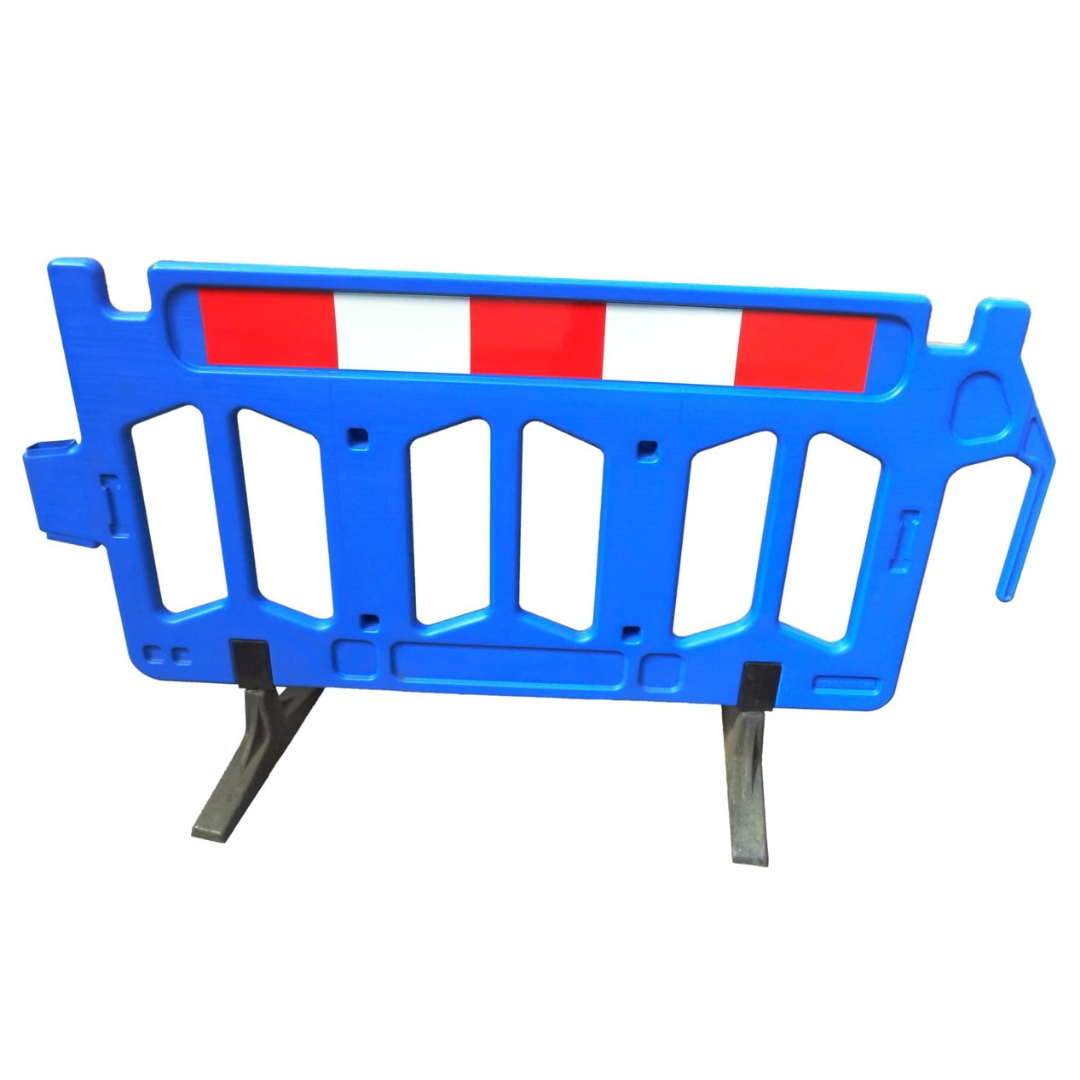
Plastic road barriers have become a common sight on roads and highways around the world, offering a range of benefits compared to traditional concrete or metal barriers. These barriers are typically made from high-density polyethylene (HDPE) or other durable plastics, providing a lightweight yet sturdy solution for traffic management and safety.
Advantages of Plastic Road Barriers
- Lightweight: Plastic road barriers are lightweight and easy to transport, making them ideal for temporary road closures or construction sites where quick installation and removal are required.
- Durability: Despite their lightweight nature, plastic road barriers are durable and resistant to impact, weathering, and corrosion. They can withstand harsh environmental conditions without deteriorating.
- Flexibility: Plastic barriers can be easily connected and configured in various shapes to suit different road layouts and traffic management needs. They offer flexibility in design and can adapt to changing requirements.
- Visibility: Many plastic road barriers come in bright colours such as orange or yellow, enhancing visibility for drivers and pedestrians. This improves safety by clearly demarcating lanes and hazard zones.
- Eco-friendly: Some plastic road barriers are made from recycled materials or are recyclable themselves, reducing the environmental impact compared to traditional barriers made from concrete or metal.
Applications of Plastic Road Barriers
Plastic road barriers are used in a variety of applications, including:
- Traffic diversion during roadworks or accidents
- Crowd control at events or demonstrations
- Protection for road workers and construction sites
- Safety measures on highways, bridges, and tunnels
- Separation of lanes on motorways or dual carriageways
In conclusion, plastic road barriers offer a versatile, cost-effective, and sustainable solution for traffic management and safety on roads. With their lightweight design, durability, flexibility, visibility, and eco-friendly properties, these barriers play a crucial role in enhancing road safety and efficiency.
Common Questions About Plastic Road Barriers: Names, Costs, Composition, and Effectiveness
- What are plastic barriers called?
- What is the cost of road safety barrier?
- What is the plastic barrier called?
- What is the barrier between roads called?
- What are plastic road barriers made of?
- Are plastic barriers cost effective?
What are plastic barriers called?
Plastic barriers used on roads and highways are commonly known as “plastic road barriers” or “plastic traffic barriers.” These barriers are specifically designed to provide temporary or permanent separation between lanes, control traffic flow, enhance safety, and protect road users and workers. Made from durable materials such as high-density polyethylene (HDPE), plastic road barriers offer a lightweight yet robust solution for various traffic management applications. Their flexibility, visibility, and eco-friendly properties make them a popular choice for road authorities, construction companies, event organisers, and other entities requiring effective traffic control measures.
What is the cost of road safety barrier?
When considering the cost of a road safety barrier, several factors come into play. The price of a road safety barrier can vary depending on its material, design, length, height, and installation requirements. For plastic road barriers specifically, the cost may be influenced by the quality of the plastic used, durability features, visibility enhancements, and any additional customisations needed for specific road conditions. It is essential to consult with professionals in the industry to get accurate cost estimates tailored to your project’s requirements and ensure that the chosen road safety barrier meets all necessary safety standards and regulations.
What is the plastic barrier called?
The plastic barrier commonly used on roads and highways is known as a plastic road barrier or a plastic traffic barrier. These barriers are typically made from high-density polyethylene (HDPE) or other durable plastics and serve various purposes, such as traffic management, safety delineation, and crowd control. Plastic road barriers are lightweight, durable, and highly visible, making them an effective solution for enhancing road safety and managing traffic flow in diverse settings.
What is the barrier between roads called?
The barrier between roads is commonly referred to as a “road barrier” or a “traffic barrier.” These barriers serve as physical separators between lanes of traffic or between opposing directions of travel on roads and highways. Road barriers are essential for maintaining safety by preventing vehicles from crossing into oncoming traffic, controlling traffic flow, and protecting roadside hazards. They come in various forms, including concrete barriers, metal guardrails, and plastic road barriers, each designed to fulfil specific safety and traffic management requirements on the road network.
What are plastic road barriers made of?
Plastic road barriers are typically made of high-density polyethylene (HDPE) or other durable plastics. These materials are chosen for their lightweight yet sturdy properties, making them ideal for use in traffic management and safety applications. HDPE is known for its impact resistance, weathering durability, and ability to withstand harsh environmental conditions without deterioration. Additionally, some plastic road barriers are made from recycled materials or are recyclable themselves, aligning with sustainability efforts in the construction and transportation industries.
Are plastic barriers cost effective?
When considering the cost-effectiveness of plastic road barriers, it is essential to weigh the initial investment against the long-term benefits they provide. Plastic barriers are generally cost-effective due to their lightweight construction, which reduces transportation and installation costs. Additionally, their durability and resistance to weathering and corrosion result in lower maintenance expenses compared to traditional barriers. The flexibility of plastic barriers also allows for easy reconfiguration and reuse, further contributing to their cost-effectiveness over time. While the upfront cost may be slightly higher than some alternatives, the overall savings in transportation, installation, maintenance, and longevity make plastic road barriers a financially prudent choice for many road management applications.