
Enhancing Road Safety with Yellow Line Paint: A Crucial Traffic Management Tool
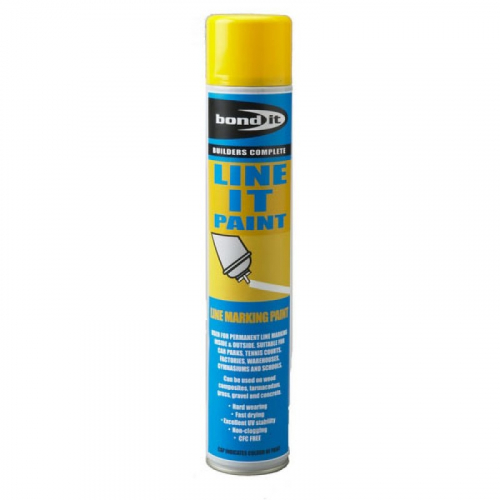
The Importance of Yellow Line Paint on Roads
Yellow line paint plays a crucial role in regulating traffic flow and ensuring road safety. These distinctive markings are commonly seen on roadsides, kerbs, and in parking areas, serving various purposes that benefit both drivers and pedestrians.
Traffic Control
The most common use of yellow line paint is to indicate no parking zones, loading areas, and restricted stopping areas. By clearly marking these areas with yellow lines, traffic congestion can be reduced, emergency vehicle access can be maintained, and pedestrian safety can be enhanced.
Parking Regulations
Yellow lines are often used to designate where parking is prohibited or restricted. Different variations of yellow lines indicate different parking restrictions, such as single yellow lines indicating restricted parking times and double yellow lines indicating no parking at any time.
Pedestrian Safety
Yellow line paint also helps improve pedestrian safety by delineating crosswalks and pedestrian crossings. These markings alert drivers to the presence of pedestrians and encourage them to yield the right of way, reducing the risk of accidents at intersections and crossings.
Visual Guidance
The bright yellow colour of line paint provides clear visual guidance to drivers, especially in low-light conditions or adverse weather. This visibility helps drivers navigate roads more safely and effectively, reducing the likelihood of confusion or accidents.
Road Maintenance
In addition to its traffic management benefits, yellow line paint also serves practical purposes in road maintenance. By marking out road edges and boundaries with yellow lines, road workers can easily identify areas that require repair or maintenance, ensuring that roads remain in optimal condition for all users.
In conclusion, yellow line paint plays a vital role in enhancing road safety, improving traffic flow, and maintaining order on our roads. Its clear visibility and distinctiveness make it an essential tool for regulating traffic behaviour and ensuring the smooth operation of our transportation networks.
9 Essential Tips for Perfect Yellow Line Painting
- Ensure the surface is clean and dry before applying yellow line paint.
- Use masking tape to create straight lines when painting with yellow line paint.
- Apply a primer before painting with yellow line paint for better adhesion.
- Choose high-quality yellow line paint for durability and visibility.
- Follow manufacturer’s instructions for proper mixing and application of yellow line paint.
- Consider using stencils for consistent shapes and sizes when painting yellow lines.
- Allow sufficient drying time between coats when applying multiple layers of yellow line paint.
- Protect the painted area from traffic or footprints until the yellow line paint is fully cured.
- Regularly inspect and maintain yellow line markings to ensure continued visibility and safety.
Ensure the surface is clean and dry before applying yellow line paint.
To achieve a successful application of yellow line paint, it is essential to ensure that the surface is clean and dry beforehand. A clean and dry surface provides the ideal conditions for the paint to adhere properly, ensuring a durable and long-lasting finish. By removing any dirt, debris, or moisture from the surface before painting, you can help prevent issues such as poor adhesion, peeling, or premature wear of the yellow line markings. This simple yet crucial step in surface preparation can significantly impact the effectiveness and longevity of the painted lines on roadsides, car parks, and other areas where yellow line markings are applied.
Use masking tape to create straight lines when painting with yellow line paint.
When painting with yellow line paint, a helpful tip is to use masking tape to create straight lines. By carefully applying masking tape along the desired path of the yellow line, you can ensure precision and neatness in your markings. This technique not only helps maintain straight lines but also minimises the risk of smudges or uneven edges, resulting in professional-looking road markings that enhance visibility and safety for all road users.
Apply a primer before painting with yellow line paint for better adhesion.
To achieve better adhesion when painting with yellow line paint, it is recommended to apply a primer beforehand. The primer serves as a preparatory coat that helps the paint bond more effectively to the surface, ensuring a durable and long-lasting finish. By using a primer, you can enhance the adhesion of the yellow line paint, resulting in clearer markings that are resistant to wear and fading over time. This simple step can significantly improve the quality and longevity of your road markings, making them more effective in guiding traffic and enhancing road safety.
Choose high-quality yellow line paint for durability and visibility.
When it comes to yellow line paint, selecting a high-quality product is crucial for both durability and visibility. Opting for premium-grade yellow line paint ensures that the markings remain clear and vibrant over time, even in challenging weather conditions. By investing in quality paint, you can enhance the longevity of the markings, reducing the need for frequent repainting and maintenance. Additionally, high-quality yellow line paint offers superior visibility to drivers, pedestrians, and road users, contributing to improved safety and efficient traffic management on roads and parking areas.
Follow manufacturer’s instructions for proper mixing and application of yellow line paint.
It is essential to follow the manufacturer’s instructions carefully when mixing and applying yellow line paint. Proper mixing ensures the correct consistency of the paint, which is crucial for achieving durable and long-lasting road markings. Adhering to the recommended application techniques helps maintain the quality and effectiveness of the paint, ensuring clear and visible markings that contribute to improved traffic control and road safety. By following the manufacturer’s guidelines, you can ensure that the yellow line paint performs optimally and meets the necessary standards for effective traffic management.
Consider using stencils for consistent shapes and sizes when painting yellow lines.
When painting yellow lines, it is advisable to consider using stencils to ensure consistent shapes and sizes. Stencils provide a precise and uniform template for marking out yellow lines, helping maintain a professional finish and adherence to standard regulations. By using stencils, road marking professionals can achieve accuracy and consistency in the application of yellow lines, enhancing visibility and clarity for drivers and pedestrians alike. This practice not only improves the aesthetic appeal of road markings but also contributes to overall road safety by reducing confusion and ambiguity on the roads.
Allow sufficient drying time between coats when applying multiple layers of yellow line paint.
When applying multiple layers of yellow line paint, it is essential to allow sufficient drying time between coats. Proper drying time ensures that each layer adheres effectively to the surface, leading to a more durable and long-lasting finish. Rushing the process by applying consecutive coats without allowing for drying can result in poor adhesion, uneven coverage, and premature wear of the paint. By following this tip and allowing ample drying time between coats, you can achieve a high-quality and professional result when painting yellow lines on roads or other surfaces.
Protect the painted area from traffic or footprints until the yellow line paint is fully cured.
To ensure the effectiveness and longevity of yellow line paint, it is important to protect the freshly painted area from traffic or footprints until the paint is fully cured. Allowing the paint to cure undisturbed helps maintain its durability and clarity, ensuring that the markings remain visible and intact for an extended period. By taking this precautionary measure, road authorities can maximise the effectiveness of yellow line paint in regulating traffic flow and enhancing road safety.
Regularly inspect and maintain yellow line markings to ensure continued visibility and safety.
Regularly inspecting and maintaining yellow line markings is essential to ensure their continued visibility and safety on roads. Over time, yellow line paint can fade or wear off due to weather conditions, traffic exposure, and general wear and tear. By conducting routine inspections and promptly addressing any issues with maintenance or repainting, road authorities can uphold the clarity and effectiveness of these markings. Maintaining high visibility of yellow lines contributes to improved road safety for drivers, pedestrians, and other road users by providing clear guidance on parking regulations, traffic control, and pedestrian crossings.