
Navigating Road Safety: The Importance of Temporary Speed Limit Signs
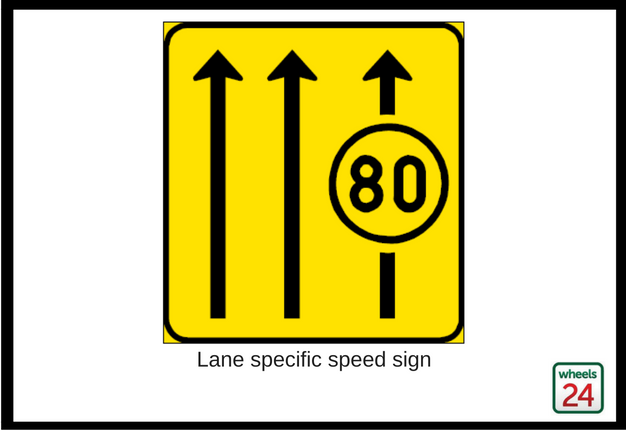
The Importance of Temporary Speed Limit Signs on Roads
Temporary speed limit signs play a crucial role in ensuring road safety and traffic management in various situations. These signs are used to alert drivers to changes in speed limits due to temporary road conditions, construction works, accidents, or events that may affect normal traffic flow.
Enhancing Safety
One of the primary reasons for implementing temporary speed limit signs is to enhance safety on the roads. By reducing the speed limit in specific areas where hazards exist, such as roadworks or accidents, these signs help prevent accidents and minimise the severity of any potential collisions.
Managing Traffic Flow
Temporary speed limit signs also play a vital role in managing traffic flow. By adjusting speed limits according to changing road conditions, authorities can regulate the movement of vehicles and prevent congestion or gridlock in affected areas.
Providing Clear Communication
Clear and visible temporary speed limit signs ensure that drivers are informed well in advance about any changes in speed limits. This proactive communication helps drivers adjust their driving behaviour accordingly and promotes compliance with the temporary restrictions.
Types of Temporary Speed Limit Signs
Temporary speed limit signs come in various forms, including electronic variable message signs (VMS), portable speed limit signs, and manual signage displayed by traffic management personnel. Each type serves a specific purpose based on the nature of the situation and level of control required.
Compliance and Enforcement
It is essential for drivers to adhere to temporary speed limits indicated by these signs to ensure their safety and that of others on the road. Enforcement measures may be implemented to monitor compliance with temporary speed restrictions and deter reckless driving behaviour.
Conclusion
In conclusion, temporary speed limit signs are indispensable tools for maintaining road safety and efficient traffic management during changing circumstances. By promptly communicating altered speed limits to drivers and encouraging compliance, these signs contribute significantly to reducing risks and improving overall road safety.
Nine Benefits of Temporary Speed Limit Signs for Enhanced Road Safety and Traffic Management
- Enhance road safety by alerting drivers to changing speed limits.
- Help prevent accidents and reduce the severity of collisions in hazardous areas.
- Manage traffic flow effectively during roadworks, accidents, or events.
- Provide clear communication to drivers about temporary speed restrictions.
- Promote compliance with speed limits and safe driving behaviour.
- Adjust speed limits according to changing road conditions for improved safety.
- Offer flexibility in controlling vehicle speeds based on specific situations.
- Reduce congestion and gridlock by regulating traffic speeds in affected areas.
- Contribute to overall road safety and minimise risks for all road users.
Challenges and Concerns Surrounding Temporary Speed Limit Signs in the UK
- Temporary speed limit signs may cause confusion among drivers who are not familiar with the area or the reason for the speed limit reduction.
- Some drivers may ignore temporary speed limit signs, leading to potential safety hazards and increased risks of accidents.
- In certain situations, such as sudden changes in weather conditions, temporary speed limit signs may not adequately address the evolving road hazards.
- The installation and maintenance of temporary speed limit signs can be costly for authorities, especially in high-traffic areas or during extended periods.
- Excessive reliance on temporary speed limit signs without addressing underlying road design issues may only provide a temporary solution to traffic safety concerns.
Enhance road safety by alerting drivers to changing speed limits.
Temporary speed limit signs serve a crucial role in enhancing road safety by alerting drivers to changing speed limits. By promptly notifying drivers of alterations in speed restrictions due to temporary road conditions, construction works, or other factors, these signs help mitigate potential hazards and reduce the risk of accidents. This proactive approach ensures that drivers are well-informed and can adjust their speed accordingly, fostering a safer driving environment for all road users.
Help prevent accidents and reduce the severity of collisions in hazardous areas.
Temporary speed limit signs play a crucial role in helping prevent accidents and reducing the severity of collisions in hazardous areas. By alerting drivers to lower speed limits in situations such as roadworks, accidents, or adverse weather conditions, these signs effectively communicate the need for increased caution. This proactive approach not only reduces the likelihood of accidents occurring but also minimises the impact and severity of any potential collisions that may occur, ultimately enhancing road safety for all road users.
Manage traffic flow effectively during roadworks, accidents, or events.
Temporary speed limit signs are essential for managing traffic flow effectively during roadworks, accidents, or events. By adjusting speed limits in response to changing road conditions, these signs help regulate the movement of vehicles and prevent congestion or gridlock in areas where road maintenance, incidents, or special events may impact normal traffic flow. This proactive measure ensures smoother traffic operations and enhances overall safety for both drivers and pedestrians navigating through temporary disruptions on the road.
Provide clear communication to drivers about temporary speed restrictions.
Temporary speed limit signs excel in providing clear communication to drivers regarding temporary speed restrictions. By prominently displaying altered speed limits due to roadworks, accidents, or events, these signs effectively alert drivers well in advance, enabling them to adjust their driving behaviour accordingly. This proactive communication ensures that drivers are fully informed about the temporary changes in speed limits, promoting compliance and ultimately enhancing road safety for all road users.
Promote compliance with speed limits and safe driving behaviour.
Temporary speed limit signs play a crucial role in promoting compliance with speed limits and encouraging safe driving behaviour on the roads. By clearly indicating temporary speed restrictions due to changing road conditions or hazards, these signs effectively communicate the need for drivers to adjust their speed accordingly. This proactive approach not only helps prevent accidents but also fosters a culture of responsible driving, ultimately contributing to enhanced road safety for all road users.
Adjust speed limits according to changing road conditions for improved safety.
One significant advantage of temporary speed limit signs is their ability to adjust speed limits according to changing road conditions, ultimately enhancing safety on the roads. By promptly informing drivers of reduced speed limits in areas with hazards such as roadworks or accidents, these signs help mitigate potential risks and prevent accidents. This proactive measure ensures that drivers adapt their speed to match the current road conditions, reducing the likelihood of collisions and promoting a safer driving environment for all road users.
Offer flexibility in controlling vehicle speeds based on specific situations.
Temporary speed limit signs offer valuable flexibility in controlling vehicle speeds based on specific situations. By being able to adjust speed limits in response to changing road conditions, such as construction zones, accidents, or adverse weather, authorities can effectively manage traffic flow and enhance safety for all road users. This adaptability ensures that speed limits are tailored to the unique circumstances at hand, promoting a more responsive and proactive approach to regulating vehicle speeds on the road.
Reduce congestion and gridlock by regulating traffic speeds in affected areas.
Temporary speed limit signs play a crucial role in reducing congestion and gridlock by regulating traffic speeds in affected areas. By adjusting speed limits according to changing road conditions, such as roadworks or accidents, these signs help manage traffic flow effectively. By slowing down vehicles in congested zones, temporary speed limit signs prevent traffic jams and gridlock, ensuring smoother and safer movement of vehicles through the area. This proactive approach to regulating traffic speeds helps alleviate congestion issues and enhances overall traffic management efficiency.
Contribute to overall road safety and minimise risks for all road users.
Temporary speed limit signs play a crucial role in contributing to overall road safety and minimising risks for all road users. By alerting drivers to changes in speed limits due to temporary road conditions or hazards, these signs help reduce the likelihood of accidents and enhance the safety of everyone on the road. Clear communication through temporary speed limit signs ensures that drivers are aware of potential dangers ahead, prompting them to adjust their driving behaviour accordingly and ultimately creating a safer environment for all road users.
Temporary speed limit signs may cause confusion among drivers who are not familiar with the area or the reason for the speed limit reduction.
Temporary speed limit signs can sometimes lead to confusion among drivers who are unfamiliar with the area or the specific reason for the speed limit reduction. In such cases, drivers may find it challenging to understand why the speed limit has been lowered temporarily, which can result in uncertainty and hesitation on the road. This lack of clarity may lead to inconsistent driving behaviours and potentially compromise road safety if drivers do not adjust their speed appropriately. Clear communication and signage placement are essential to mitigate confusion and ensure that all road users understand the purpose behind temporary speed limit changes.
Some drivers may ignore temporary speed limit signs, leading to potential safety hazards and increased risks of accidents.
Some drivers may choose to disregard temporary speed limit signs, despite the importance of adhering to these regulations. This behaviour can pose significant safety hazards on the roads and increase the likelihood of accidents occurring. Ignoring temporary speed limits not only endangers the non-compliant drivers themselves but also puts other road users at risk due to unpredictable driving speeds and potential conflicts in traffic flow. It is crucial for all drivers to respect and follow temporary speed limit signs to maintain a safe environment for everyone on the road.
In certain situations, such as sudden changes in weather conditions, temporary speed limit signs may not adequately address the evolving road hazards.
In certain situations, such as sudden changes in weather conditions, temporary speed limit signs may not adequately address the evolving road hazards. While these signs aim to alert drivers to potential dangers and adjust their speed accordingly, unpredictable weather events can create rapidly changing road conditions that surpass the limitations of preset speed limits. Drivers may encounter reduced visibility, slippery roads, or other hazards that require immediate adaptation of driving behaviour beyond what temporary signs can convey. As a result, there is a risk that drivers may not fully comprehend the extent of the evolving road dangers solely based on temporary speed limit signs, potentially leading to increased safety concerns in such challenging circumstances.
The installation and maintenance of temporary speed limit signs can be costly for authorities, especially in high-traffic areas or during extended periods.
The installation and maintenance of temporary speed limit signs can pose a significant financial challenge for authorities, particularly in busy areas or when the signs need to be in place for prolonged periods. The costs associated with setting up and maintaining these signs, including procurement, installation, monitoring, and removal, can strain budgets allocated for road infrastructure management. As a result, authorities may need to carefully balance the necessity of temporary speed limit signs with the available resources to ensure effective traffic control while managing expenses efficiently.
Excessive reliance on temporary speed limit signs without addressing underlying road design issues may only provide a temporary solution to traffic safety concerns.
Excessive reliance on temporary speed limit signs without addressing underlying road design issues may only offer a temporary solution to traffic safety concerns. While these signs can effectively alert drivers to changing conditions and hazards, they do not address the root causes of safety issues on the road. Neglecting to improve road design, infrastructure, or traffic flow problems could lead to a continuous cycle of relying on temporary speed limits as a band-aid solution rather than implementing more permanent and effective measures to enhance overall road safety for the long term.