
Road Sign Bicycle: A Guide to UK Cycle Signs
Road Signs for Bicycles: A Guide for UK Road Users
Bicycle road signs help people understand where they can cycle, where they should take extra care and which routes are available. In the UK, cycle signs appear on roads, shared paths and dedicated cycle tracks. Knowing what they mean can make journeys safer and help everyone share space considerately.
Common road signs for bicycles
Blue signs showing a bicycle
A blue circular sign is generally an instruction rather than a warning. A sign showing a bicycle may indicate a route or track that cyclists must use. Check the full sign and any supplementary plate: some signs apply to a cycle track, while others may show a route shared with pedestrians.
Red-circle signs prohibiting cycling
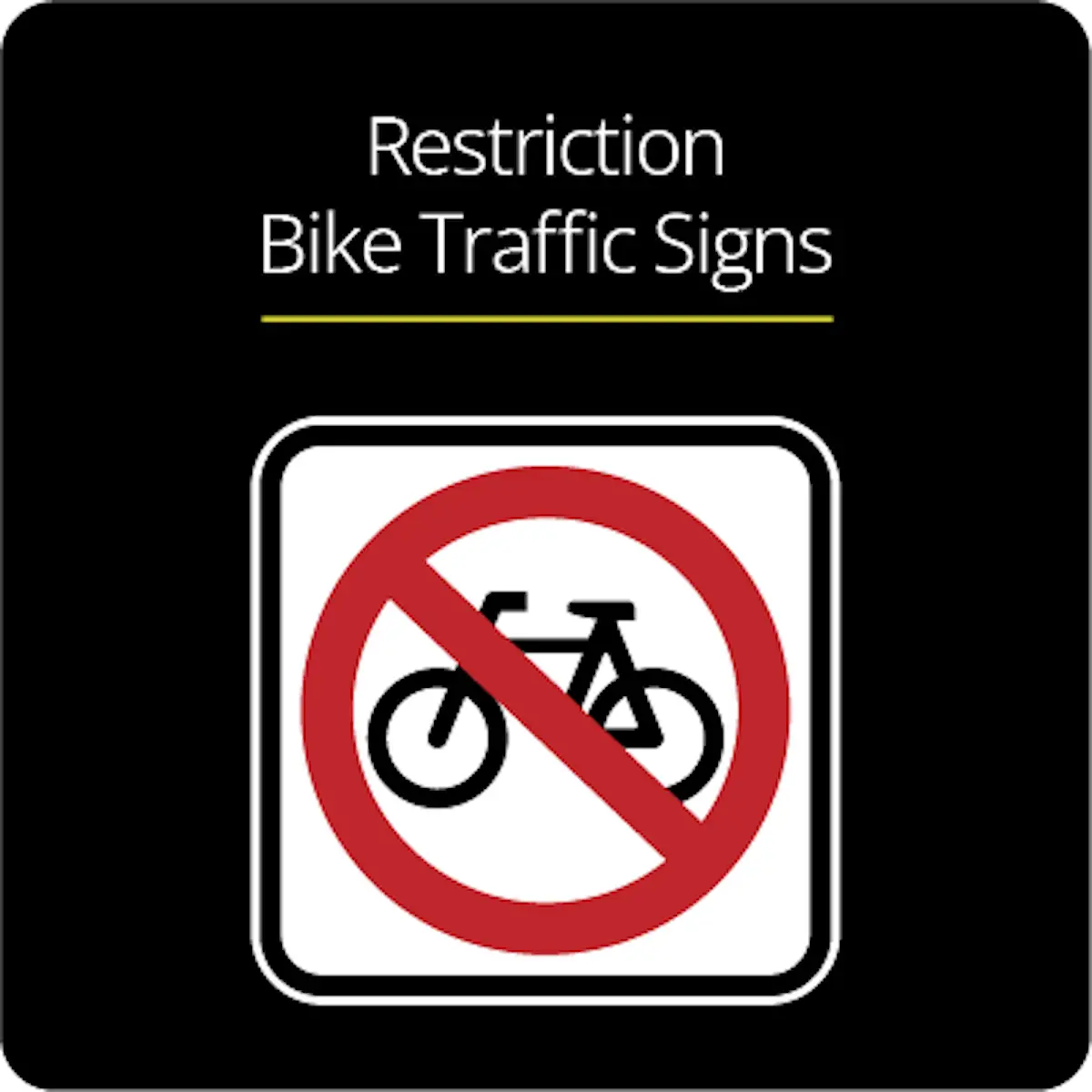
A bicycle symbol inside a red circle means cycling is prohibited beyond that point. These signs may be used where cycling is not permitted, for example on certain pedestrian-only routes. Cyclists should dismount or choose another route where required.
Cycle route direction signs
Directional signs use a bicycle symbol alongside a destination, route number or arrow. They help cyclists follow signed routes through towns and cities, including routes that may use quieter streets or dedicated paths. Follow the arrows and check junctions carefully, as a cycle route may change direction or cross a road.
Shared-use path signs
Signs showing both a bicycle and a pedestrian indicate a route used by both groups. The symbols and layout can show whether the route is shared or divided into separate sections. Cyclists should ride at a considerate speed, give pedestrians plenty of room and be ready to slow down or stop.
Warning signs showing cyclists
A triangular warning sign with a bicycle symbol alerts drivers to a possible hazard, such as cyclists crossing or joining the road. It does not give cyclists priority by itself. Drivers should reduce speed and look out for people cycling; cyclists should approach with care and follow the road markings and signals.
Cycle crossings and road markings
Some crossings have bicycle symbols or coloured surfacing to show where cyclists are expected to cross. The precise rules depend on the crossing type and its signals. Cyclists should obey traffic lights, give way where required and avoid assuming that coloured surfacing automatically gives them priority.
Road markings may also identify cycle lanes. A solid white line usually marks a lane that other vehicles must not enter or cross during its operating times, while a broken line may be crossed when it is safe and necessary. Look for signs and time restrictions, as they can affect how a lane operates.
What cyclists should do when they see a bicycle sign
- Read the whole sign, including arrows, route numbers and supplementary plates.
- Obey mandatory instructions and do not cycle where a prohibition sign applies.
- Take extra care at crossings, junctions and places where a cycle route meets a road.
- Share paths considerately, slowing down around pedestrians and giving an audible warning when appropriate.
- Follow traffic signals and the Highway Code, even when using a dedicated cycle route.
What drivers should do
Drivers should treat bicycle warning signs as a prompt to look carefully for cyclists and allow them room. Check mirrors and blind spots before turning, overtaking or opening a vehicle door. Do not drive or park in a cycle lane where signs or road markings prohibit it.
Understanding bicycle signs helps everyone
Road signs for bicycles make routes clearer and help manage the places where cyclists, pedestrians and motor vehicles meet. Their meaning can depend on the sign’s shape, colour, symbols and accompanying plates, so take in the full instruction rather than relying on the bicycle symbol alone. When in doubt, slow down, check for other road users and follow the Highway Code.
5 Essential Tips for Understanding Cycling Road Signs
- Look for signs marking cycle routes.
- Obey cycle-lane signs and markings.
- Dismount where signs require it.
- Watch for signs warning of cyclists.
- Use cycle crossings where provided.
Look for signs marking cycle routes.
Look for signs marking cycle routes to find your way along designated paths and quieter roads. Follow the arrows and route numbers, and check signs at junctions so you don’t miss a turn. Always stay alert, as cycle routes may cross busy roads or be shared with pedestrians.
Obey cycle-lane signs and markings.
Obey cycle-lane signs and road markings to know where cycling is permitted or required, and whether a lane has any time restrictions. Pay attention to solid and broken white lines, arrows and any supplementary signs, especially at junctions. If a cycle lane ends or changes direction, check for traffic and pedestrians before moving into another part of the road.
Dismount where signs require it.
If a road sign instructs you to dismount, get off your bicycle and walk it until you reach the end of the restriction or a point where cycling is permitted again. These signs are often found in pedestrian areas or on paths where riding could put others at risk. Follow the instruction, give pedestrians plenty of space and remount only when it is safe and allowed.
Watch for signs warning of cyclists.
Watch for signs warning of cyclists, particularly near junctions, crossings, schools and popular cycling routes. These signs alert drivers that people on bicycles may be nearby or crossing the road, so slow down, check mirrors and blind spots, and give cyclists plenty of space.
Use cycle crossings where provided.
Use cycle crossings where provided, as they offer a designated place to cross and help make your journey safer and more predictable. Follow the traffic signals and road markings, check for turning vehicles, and give way where required before continuing.