
Road Humps Markings: Design, Safety and Maintenance
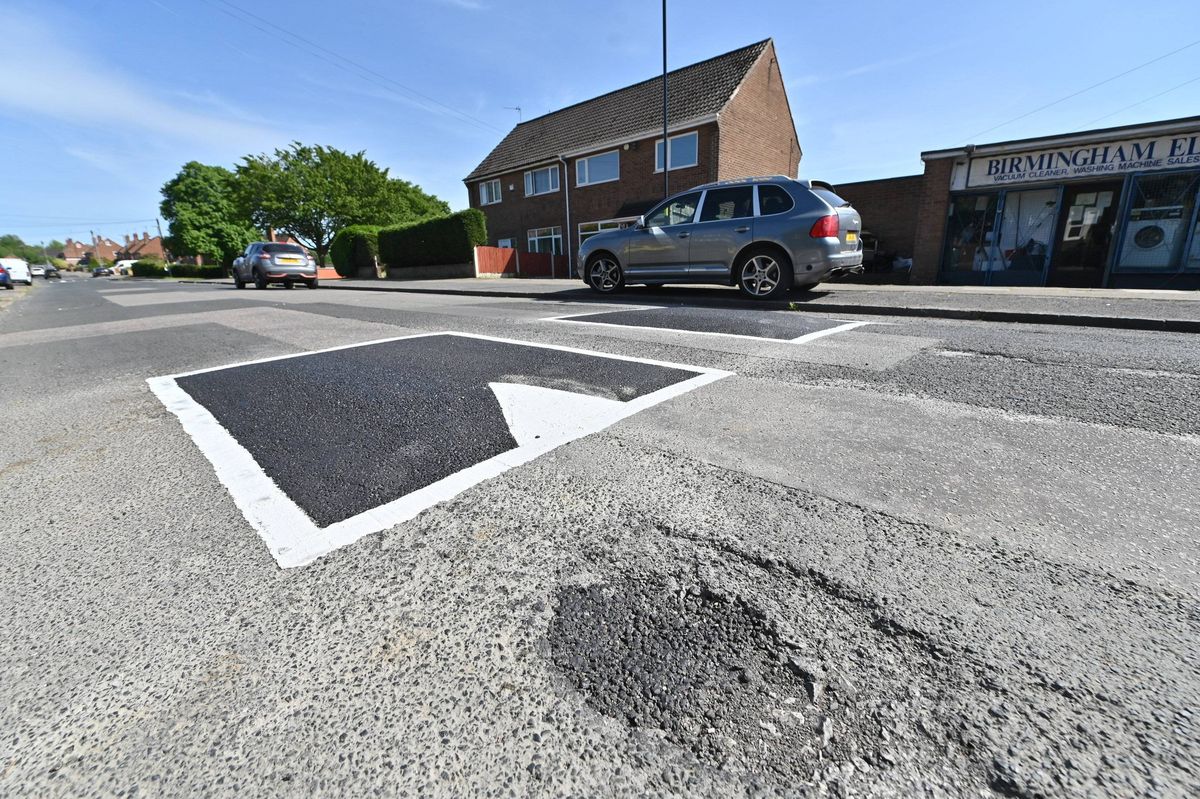
Road Hump Markings: Purpose, Design and Maintenance
Road humps are raised features used to encourage lower speeds on roads where reducing traffic speed is important. Clear road hump markings help drivers recognise these features, understand the road layout and adjust their speed in good time.
What are road hump markings?
Road hump markings are painted or applied markings that make a raised feature more noticeable to approaching drivers. Depending on the road design, they may include white triangular markings on or around the hump, together with warning signs or other measures.
The markings used can vary. Not every road hump is marked in exactly the same way: the appropriate layout depends on the type of feature, the road environment and the requirements of the responsible highway authority.
Why are markings important?
- Improved visibility: Markings can help drivers identify a change in the road surface, particularly in poor light or against a complex background.
- Earlier warning: They can give drivers more time to slow down smoothly rather than braking suddenly at the last moment.
- Clearer road layout: Consistent markings help communicate that a raised feature is present and where it is located.
- Support for safer driving: When combined with suitable signs and road design, markings can contribute to a safer, lower-speed environment.
Where are road humps used?
Road humps are commonly found on roads where traffic speeds need to be managed, such as residential streets, around schools and in some car parks or private developments. Different designs are used for different settings. A flat-top hump, for example, has a level section across its top, while a speed cushion is narrower and leaves space for wider vehicles to pass between or alongside the raised sections.
The markings and signs should suit the feature and the surrounding road. A marking that is clear on one type of road may not be appropriate for another, so layouts should be planned with the site conditions in mind.
Design and regulatory considerations
Road markings and signs on public roads in the UK need to be considered alongside current traffic-sign regulations, guidance and the requirements of the relevant highway authority. The design process may take account of the road’s speed limit, lighting, traffic levels, visibility, drainage and the position of nearby junctions or crossings.
For a project on a public highway, the local highway authority should be consulted before work is planned. Private landowners should also check applicable planning, safety and site requirements. Correct positioning and dimensions matter: markings must be visible and legible without creating confusion with other road markings.
Materials and application
Road hump markings may be applied using materials such as road-marking paint or thermoplastic, selected according to the surface, expected traffic and project specification. The surface needs to be suitably prepared, and the material must be applied in appropriate conditions to help it bond and perform as intended.
Reflective properties can help markings show up in vehicle headlights, but visibility also depends on factors such as lighting, weather, surface condition and wear. Material selection should therefore be based on the site’s needs rather than on appearance alone.
Inspection and maintenance
Over time, traffic, weather and road treatments can wear markings down. Faded, damaged or obscured markings may be harder for drivers to see, so regular inspection is important. Maintenance may involve cleaning, repainting or renewing the markings, as well as checking that signs remain visible and the raised feature is in good condition.
Any renewal work should preserve the intended layout and comply with the relevant authority’s requirements. Where markings have become unclear, a site assessment can help determine whether they need repair or whether wider improvements are needed.
Driving over a road hump
When approaching a road hump, drivers should look ahead, observe any signs and markings, and reduce speed smoothly. They should leave enough room to avoid harsh braking and take particular care around pedestrians, cyclists and parked vehicles. The correct approach speed depends on the road, the hump and the conditions.
Getting road hump markings right
Effective road hump markings are part of a wider road-safety approach. Their design, placement and upkeep should work together with the raised feature, signs and surrounding street layout. For public-road projects, consult the relevant highway authority and ensure that the proposed markings meet current UK requirements.
6 Tips for Safely Approaching Marked Road Humps
- Look for white triangular markings on the approach to a road hump.
- Slow down before reaching the marked hump.
- Keep a safe distance from the vehicle ahead.
- Avoid braking sharply while crossing the hump.
- Watch for pedestrians and cyclists nearby.
- Stay alert
Look for white triangular markings on the approach to a road hump.
Look for white triangular markings as you approach a road hump. They highlight the raised section of road and give you an early cue to slow down smoothly. Stay alert, check for signs and other road users, and adjust your speed to suit the conditions.
Slow down before reaching the marked hump.
Slow down before reaching the marked hump, rather than braking sharply as you approach it. This gives you more time to respond, helps you travel over the raised surface smoothly and reduces the risk of discomfort or loss of control. Pay attention to road signs, traffic and pedestrians, and adjust your speed to suit the conditions.
Keep a safe distance from the vehicle ahead.
Keep a safe distance from the vehicle ahead when approaching road humps. The driver in front may slow down suddenly, so leaving plenty of space gives you time to react smoothly, reduce your speed and cross the hump safely without harsh braking.
Avoid braking sharply while crossing the hump.
Avoid braking sharply while crossing a road hump. Slow down smoothly before reaching it, then maintain a steady, controlled speed over the raised section. Sudden braking can make the ride uncomfortable, affect control of the vehicle and increase wear on the brakes. Always follow the road signs and markings, and take extra care if the surface is wet or visibility is poor.
Watch for pedestrians and cyclists nearby.
When approaching a road hump, watch for pedestrians and cyclists nearby, as they may be crossing, passing alongside the hump or changing direction to avoid it. Slow down smoothly, give them plenty of space and be prepared to stop if needed.
Stay alert
Stay alert: Watch the road ahead and look out for road hump signs and markings, especially in poor weather, low light or unfamiliar areas. Slow down smoothly as you approach, and stay aware of pedestrians, cyclists and other road users nearby.