
Puffin, Pelican, and Toucan Crossings: Enhancing Road Safety for Pedestrians and Cyclists
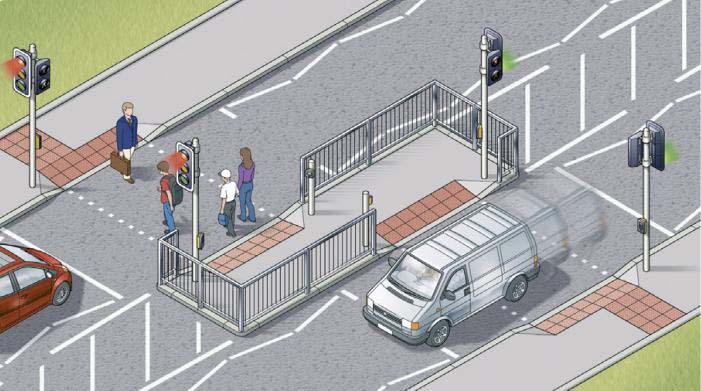
The Importance of Puffin, Pelican, and Toucan Crossings in Road Safety
When it comes to road safety for pedestrians and cyclists, puffin, pelican, and toucan crossings play a crucial role in ensuring safe passage across busy roads. These designated crossing points are designed to enhance pedestrian and cyclist safety by providing controlled access to crossroads and junctions.
Puffin Crossings
Puffin crossings are an advanced type of pedestrian crossing that use sensors to detect the presence of pedestrians waiting to cross. Unlike traditional pedestrian crossings, puffin crossings feature the pedestrian signal on the same side as the waiting pedestrians. This design allows for better visibility and reduces the risk of accidents.
Pelican Crossings
Pelican crossings are signal-controlled crossings that incorporate both pedestrian signals and traffic lights. Pedestrians must press a button to activate the crossing signal, which stops traffic with a red light while allowing pedestrians to cross safely. Pelican crossings provide a clear indication of when it is safe to cross the road.
Toucan Crossings
Toucan crossings are designed for both pedestrians and cyclists, allowing them to cross together at the same time. Unlike traditional crossings that separate pedestrians and cyclists, toucan crossings provide a shared space for both groups, promoting safer interactions between pedestrians and cyclists on the road.
The Benefits of Puffin, Pelican, and Toucan Crossings
- Enhanced safety for pedestrians: By providing designated crossing points with clear signals, puffin, pelican, and toucan crossings reduce the risk of accidents involving pedestrians.
- Promotion of active travel: Toucan crossings encourage cycling as a mode of transport by providing safe crossing points for cyclists alongside pedestrians.
- Improved traffic flow: By controlling pedestrian movements at junctions and crossroads, puffin, pelican, and toucan crossings help manage traffic flow more efficiently.
- Accessibility for all road users: These types of crossings cater to the needs of all road users, including those with mobility challenges or disabilities.
In conclusion, puffin, pelican, and toucan crossings play a vital role in promoting road safety and enhancing the overall experience for pedestrians and cyclists on our roads. By incorporating these designated crossing points into urban planning and infrastructure development, we can create safer environments for all road users to navigate our streets with confidence.
Understanding Puffin, Pelican, and Toucan Crossings: Key Questions Answered
- What is a puffin crossing?
- How does a pelican crossing work?
- What makes toucan crossings different from other types of crossings?
- Are puffin crossings safer than traditional pedestrian crossings?
- What are the benefits of pelican crossings?
- How can toucan crossings promote active travel?
- Do puffin, pelican, and toucan crossings cater to all road users’ needs?
- Why are puffin, pelican, and toucan crossings important in urban planning?
What is a puffin crossing?
A puffin crossing is an advanced type of pedestrian crossing that incorporates sensors to detect the presence of pedestrians waiting to cross the road. Unlike traditional pedestrian crossings, a puffin crossing features the pedestrian signal on the same side as the waiting pedestrians, allowing for better visibility and reducing the risk of accidents. This innovative design ensures that pedestrians have a clear indication of when it is safe to cross, enhancing road safety for both pedestrians and motorists.
How does a pelican crossing work?
A pelican crossing operates as a signal-controlled pedestrian crossing that integrates both pedestrian signals and traffic lights. When a pedestrian wants to cross the road, they must press a button to activate the crossing signal. This action triggers the traffic lights to display a red signal, indicating to motorists to stop and allow pedestrians to cross safely. Once the green pedestrian signal appears, pedestrians can proceed across the road with the assurance that vehicles will come to a halt. Pelican crossings are designed to provide clear guidance and controlled access for pedestrians, enhancing safety at junctions and busy roads.
What makes toucan crossings different from other types of crossings?
Toucan crossings stand out from other types of crossings due to their unique design that caters to both pedestrians and cyclists. Unlike traditional crossings that separate pedestrians and cyclists, toucan crossings provide a shared space for both groups, allowing them to cross together at the same time. This integrated approach promotes safer interactions between pedestrians and cyclists on the road, encouraging active travel and fostering a sense of inclusivity for all road users. Toucan crossings play a crucial role in enhancing road safety and creating a more sustainable and efficient transportation system that accommodates the diverse needs of pedestrians and cyclists alike.
Are puffin crossings safer than traditional pedestrian crossings?
When comparing puffin crossings to traditional pedestrian crossings, the question of safety often arises. Puffin crossings are considered safer than traditional crossings due to their advanced design features. Unlike traditional crossings, puffin crossings use sensors to detect pedestrians waiting to cross and ensure that the pedestrian signal is located on the same side as the waiting pedestrians, enhancing visibility and reducing the risk of accidents. With these innovative features and improved functionality, puffin crossings provide a higher level of safety for pedestrians crossing busy roads compared to traditional pedestrian crossings.
What are the benefits of pelican crossings?
Pelican crossings offer several benefits that contribute to road safety and pedestrian convenience. One of the key advantages of pelican crossings is their signal-controlled system, which allows pedestrians to activate the crossing when needed, ensuring a safe passage across busy roads. The integration of pedestrian signals and traffic lights at pelican crossings helps to regulate traffic flow, reducing the risk of accidents and providing clear guidance for both pedestrians and drivers. Additionally, pelican crossings promote pedestrian safety by offering designated crossing points with clearly marked lines and signals, enhancing visibility and awareness for all road users. Overall, the benefits of pelican crossings include improved road safety, efficient traffic management, and enhanced accessibility for pedestrians navigating urban environments.
How can toucan crossings promote active travel?
Toucan crossings can promote active travel by providing a safe and convenient crossing point for both pedestrians and cyclists. Unlike traditional crossings that separate pedestrians and cyclists, toucan crossings allow these two groups to cross together at the same time, encouraging cyclists to use their bikes as a mode of transport. By offering a shared space for pedestrians and cyclists, toucan crossings promote a more integrated approach to active travel, making it easier and safer for individuals to choose walking or cycling as sustainable methods of getting around. This design not only enhances road safety but also contributes to a healthier and more environmentally friendly way of commuting, ultimately encouraging more people to embrace active travel in their daily routines.
Do puffin, pelican, and toucan crossings cater to all road users’ needs?
Puffin, pelican, and toucan crossings are designed to cater to the diverse needs of all road users. These designated crossing points offer enhanced safety features and accessibility measures to ensure that pedestrians, cyclists, and individuals with mobility challenges can navigate roads safely and efficiently. Puffin crossings, with their advanced sensor technology and improved visibility, benefit pedestrians by providing a more controlled crossing experience. Pelican crossings incorporate both pedestrian signals and traffic lights to give clear indications for safe crossing. Toucan crossings are specifically designed for pedestrians and cyclists to cross together, promoting active travel and safer interactions on the road. Overall, these types of crossings play a crucial role in meeting the needs of all road users by prioritising safety, accessibility, and efficient traffic flow.
Why are puffin, pelican, and toucan crossings important in urban planning?
Puffin, pelican, and toucan crossings are essential elements in urban planning due to their significant impact on road safety and pedestrian/cyclist mobility. These designated crossing points provide controlled access for pedestrians and cyclists to safely navigate busy roads, reducing the risk of accidents and promoting active travel. By incorporating puffin, pelican, and toucan crossings into urban infrastructure, city planners can enhance pedestrian safety, improve traffic flow at junctions, promote sustainable modes of transportation, and ensure accessibility for all road users, including those with mobility challenges. Overall, these crossings play a crucial role in creating safer and more inclusive urban environments that prioritise the well-being and convenience of pedestrians and cyclists.