
Police Road Closures Near Me: How to Find the Latest Updates
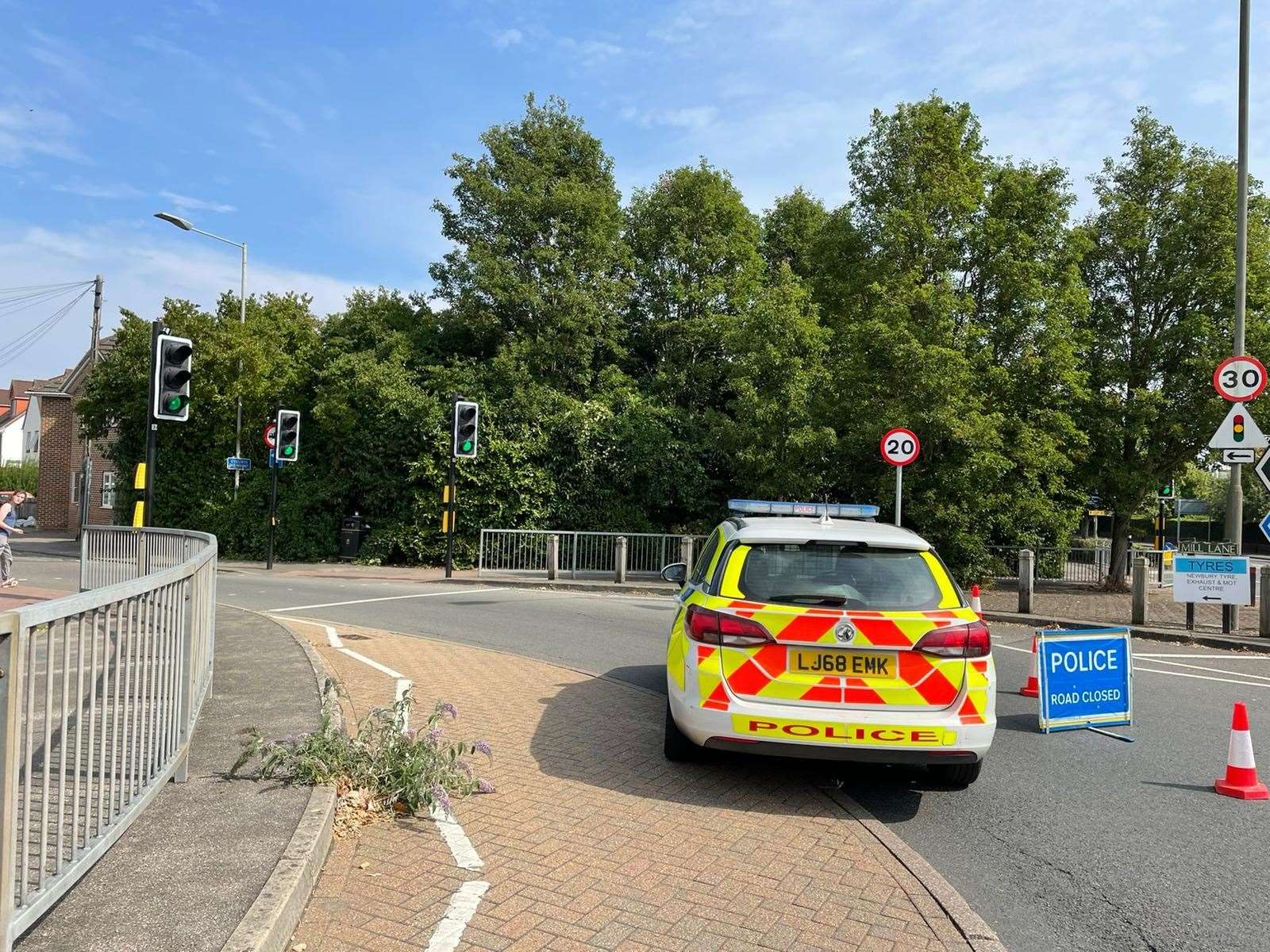
Police Road Closures Near Me: How to Find the Latest Information
Looking for police road closures near you? A road may be closed at short notice following a collision, a serious incident, a public event or an emergency. As closures can change quickly, check current local updates before setting off rather than relying on an older notice or a route shown earlier in your journey.
Where to check for local road closures
For the most useful updates, check more than one source if your journey is time-sensitive:
- Your local police force: Police forces may share information about major incidents, safety cordons and closures on their websites and verified social media accounts.
- Your local council: Council websites often publish details of planned roadworks, local traffic restrictions and diversion routes.
- Traffic information services: Live traffic maps and travel apps can show congestion and closures, although updates may not appear immediately.
- Local radio and travel news: These can be helpful during widespread disruption or when a closure affects a major route.
- Roadside signs: Follow signs and instructions from police or traffic officers, even if your navigation app suggests another route.
Search online using the road name, town or postcode alongside terms such as “road closure”, “traffic update” or “police incident”. Check the date and time of any update: an old post may refer to a closure that has since ended.
Why might the police close a road?
Police may close or restrict access to a road to protect the public and allow emergency services to deal with an incident. Common reasons include:
- a road traffic collision or vehicle recovery;
- a serious or suspected crime scene;
- a fire, hazardous spill or other public safety risk;
- a search or emergency response;
- a large event or temporary safety operation.
Some closures are brief, while others remain in place until the scene is safe or an investigation is complete. Authorities may not be able to share detailed information straight away, particularly while an incident is ongoing.
What to do if your route is closed
Slow down as you approach the closure and follow the instructions of police officers, traffic management staff and temporary signs. Do not drive through barriers, move cones or enter a restricted area. These controls are there to protect road users and emergency workers.
Use the signed diversion where one is provided. If you need to choose another route, pull over somewhere safe before checking your phone or changing your navigation settings. Avoid making a U-turn or stopping in a live lane, and allow extra time for your journey.
How to plan around a closure
Before travelling, check for updates shortly before departure and again if your journey is long. Consider whether you can delay your trip, use public transport or approach your destination from another direction. If you have an appointment, contact the venue or organiser to ask whether access is affected.
For planned works and longer-term restrictions, council and highway authority websites are often the best places to look. A police update may cover the immediate incident, while the relevant road authority can provide information about ongoing works and official diversions.
Can you drive through a police road closure?
No. If a road is closed, do not pass a police cordon or ignore an officer’s direction. Even if the road appears clear, there may be hazards or operational activity beyond the closure point. Wait for official confirmation that the route has reopened or follow the diversion.
Need urgent help?
If you are involved in an emergency or someone is in immediate danger, call 999. Do not call emergency services simply to ask whether a road is open. For non-urgent enquiries, use the appropriate police force or local council contact channels.
Stay up to date
When searching for police road closures near you, use recent information from official sources and keep an eye out for updates. Conditions can change quickly, so check again before travelling and follow the instructions given on the road.
6 Essential Tips for Navigating Local Police Road Closures
- Check your local police force’s website or social media for closure updates.
- Use live traffic maps to find nearby road closures and delays.
- Follow signed diversions and allow extra travel time.
- Never move barriers or enter a closed road.
- Keep junctions and emergency access routes clear.
- Check again before setting off, as closures can change quickly.
Check your local police force’s website or social media for closure updates.
Check your local police force’s website or verified social media accounts for updates on nearby road closures. These channels may share information about the affected roads, reasons for the closure and expected reopening times. As details can change quickly, check the date and time of the latest update before travelling.
Use live traffic maps to find nearby road closures and delays.
Use live traffic maps to check for road closures and delays near you before setting off. These maps can help you spot disruption, compare possible routes and allow extra time for your journey. Information may not update immediately, so follow police instructions and road signs if they differ from your navigation app.
Follow signed diversions and allow extra travel time.
If you encounter a police road closure, follow the signed diversion rather than trying to find a way through or taking an unplanned shortcut. Diversions are designed to guide traffic safely around the affected area, though they may add time to your journey. Check for updates before setting off, allow extra travel time and follow any instructions from police officers or traffic staff.
Never move barriers or enter a closed road.
Never move barriers or enter a closed road, even if it looks clear. Closures are put in place to protect the public and allow emergency services to work safely, and hazards may not be visible from your position. Follow police instructions and diversion signs, and wait for official confirmation before using the road again.
Keep junctions and emergency access routes clear.
Keep junctions and emergency access routes clear when travelling near a police road closure. Don’t stop, park or queue across junctions, entrances or access points, as this can delay emergency vehicles and obstruct local traffic. Follow diversion signs and officers’ instructions, and move on if asked.
Check again before setting off, as closures can change quickly.
Check for updates again just before setting off, as police road closures can change quickly. A route that was blocked earlier may have reopened, or a new closure may have been put in place. Use recent information from official police, council or traffic sources to help plan your journey and avoid unnecessary delays.