
Enhancing Road Safety with Professional Roadmarking Services
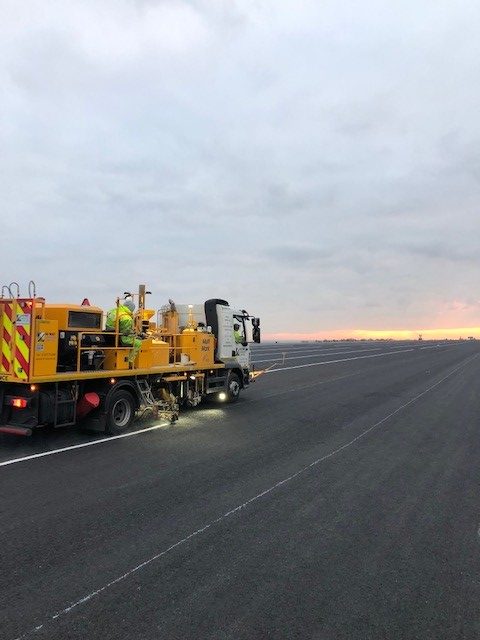
The Importance of Roadmarking Services
Road markings play a crucial role in ensuring safety and efficiency on our roads. They provide essential guidance to drivers, pedestrians, and cyclists, helping to regulate traffic flow and prevent accidents. Properly maintained road markings are vital for creating clear communication and delineating lanes, pedestrian crossings, parking areas, and other key traffic zones.
Benefits of Professional Roadmarking Services
Professional roadmarking services offer a range of benefits that contribute to the overall safety and functionality of road infrastructure:
- Enhanced Visibility: High-quality road markings are highly visible, especially in adverse weather conditions or low-light situations, improving overall road safety.
- Traffic Management: Clear road markings help to guide traffic flow, reduce congestion, and enhance the efficiency of road networks.
- Pedestrian Safety: Clearly marked pedestrian crossings and walkways ensure the safety of pedestrians and encourage active modes of transport.
- Parking Organisation: Well-defined parking bays and signage streamline parking operations, maximising available space and improving accessibility.
- Compliance with Regulations: Professional roadmarking services ensure that all markings adhere to relevant regulations and standards, helping authorities meet legal requirements.
The Process of Roadmarking
The process of roadmarking involves careful planning, preparation, and execution to achieve durable and effective results. Professional roadmarking companies use specialised equipment, high-quality materials, and skilled personnel to carry out the following steps:
- Surface Preparation: Cleaning the surface thoroughly to remove dirt, debris, and old markings for optimal adhesion.
- Marking Design: Planning the layout of road markings based on traffic flow patterns, safety considerations, and regulatory requirements.
- Application: Applying paint or thermoplastic materials using precision machinery to create clear lines, symbols, and signage on the road surface.
- Curing Time: Allowing sufficient time for the markings to dry or cure properly before reopening the road to traffic.
- Maintenance: Regular inspection and maintenance help extend the lifespan of road markings by addressing wear-and-tear issues promptly.
In conclusion, professional roadmarking services are essential for maintaining safe and efficient transportation networks. By investing in high-quality road markings provided by experienced professionals, authorities can enhance traffic management capabilities while promoting overall road safety for all users.
Understanding Road Marking Services: Key Questions Answered
- Who is in charge of road markings?
- Who is responsible for road marking?
- Can I paint a white line in front of my driveway?
- Are road markings a legal requirement?
- What are the regulatory road markings?
- What is the meaning of road marking?
- What are the different types of road markings?
- Why are road markings important?
Who is in charge of road markings?
The responsibility for road markings typically falls under the jurisdiction of local transportation authorities or government agencies tasked with managing road infrastructure. These entities are responsible for planning, designing, implementing, and maintaining road markings to ensure safe and efficient traffic flow. Road marking projects may involve collaboration between various stakeholders, including engineers, contractors, and traffic safety experts, to adhere to regulatory standards and guidelines. Effective communication and coordination among these parties are essential to successfully oversee the installation and upkeep of road markings on public roads.
Who is responsible for road marking?
The responsibility for road marking typically lies with local transportation authorities or highway maintenance agencies. These entities are tasked with ensuring that road markings are clear, visible, and compliant with relevant regulations and standards. Road marking services may be outsourced to professional contractors who have the expertise and equipment necessary to carry out the marking work effectively. Ultimately, the goal is to maintain safe and well-marked roads for the benefit of all road users, with the responsible authorities overseeing the planning, implementation, and maintenance of road markings within their jurisdiction.
Can I paint a white line in front of my driveway?
When considering painting a white line in front of your driveway, it is important to be aware of local regulations and guidelines regarding road markings. In some areas, painting a white line in front of a driveway may be prohibited or require approval from the relevant authorities. It is advisable to consult with your local council or transportation department to determine if such an action is permissible and to ensure that the placement of the white line complies with safety standards and does not obstruct traffic flow. Seeking professional advice on road markings can help you make informed decisions that align with legal requirements and contribute to road safety in your community.
Are road markings a legal requirement?
Road markings are indeed a legal requirement on roads in the United Kingdom. They serve as essential visual cues to regulate traffic flow, indicate lane divisions, highlight pedestrian crossings, and designate parking areas. The presence of clear and properly maintained road markings is mandated by law to ensure road safety and compliance with traffic regulations. Failure to adhere to road marking requirements can result in penalties and pose risks to road users. Therefore, it is crucial for authorities and road users alike to recognise the significance of road markings as a fundamental aspect of safe and efficient road infrastructure.
What are the regulatory road markings?
Regulatory road markings are essential visual cues on road surfaces that convey specific instructions and regulations to road users. These markings serve as a crucial component of traffic management by guiding drivers, pedestrians, and cyclists on the correct use of roads and intersections. Examples of regulatory road markings include stop lines, give way lines, directional arrows, pedestrian crossings, bus lanes, and speed limit indicators. Compliance with regulatory road markings is mandatory to ensure safe and orderly traffic flow, highlighting the importance of understanding and adhering to these markings for all road users.
What is the meaning of road marking?
Road marking refers to the lines, symbols, and signs painted or applied on roads and highways to provide visual guidance and information to road users. These markings serve as a form of communication, indicating lane divisions, pedestrian crossings, parking areas, speed limits, and other important traffic regulations. Road markings play a crucial role in enhancing road safety, improving traffic flow, and ensuring clarity for drivers, cyclists, and pedestrians navigating the road network. By understanding the meaning and significance of road markings, road users can better interpret and follow the rules of the road to promote a safer and more organised driving environment.
What are the different types of road markings?
Road markings are essential elements of road infrastructure that provide critical guidance and information to road users. There are several types of road markings designed to convey specific messages and regulate traffic flow effectively. Common types include lane markings, which delineate lanes for vehicles and help maintain order on multi-lane roads. Additionally, symbols such as arrows, stop lines, and pedestrian crossings are used to indicate directions, stopping points, and safe crossing areas for pedestrians. Other types of road markings include chevrons for indicating sharp bends or changes in road alignment, as well as hatched markings to separate traffic lanes or denote areas where overtaking is prohibited. Each type of road marking serves a distinct purpose in enhancing road safety and ensuring smooth traffic operations.
Why are road markings important?
Road markings are crucial for road safety and efficient traffic management. They serve as visual cues that guide drivers, pedestrians, and cyclists, helping to regulate traffic flow, define lanes, indicate pedestrian crossings, and designate parking areas. Clear and well-maintained road markings enhance visibility, especially in adverse weather conditions or low-light environments, reducing the risk of accidents. By providing clear communication and organisation on the road surface, road markings play a vital role in promoting order, safety, and smooth operation of transportation networks.