
Unlocking the Value of Parking Spots: Enhancing Urban Accessibility
The Importance of Parking Spots
Parking spots play a crucial role in our daily lives, providing convenience and accessibility for drivers in various settings. Whether you are running errands, visiting a friend, or going to work, having access to a parking spot can make all the difference in your overall experience.
Urban Areas
In busy urban areas, parking spots are in high demand due to limited space and increasing population density. Finding a parking spot can be a challenge, leading to congestion and frustration among drivers. Properly designated and well-managed parking spots help alleviate traffic flow and ensure that vehicles are parked safely and efficiently.
Retail and Commercial Spaces
For businesses, having adequate parking spots is essential to attract customers and facilitate smooth transactions. A lack of parking spaces can deter potential customers from visiting shops or restaurants, resulting in lost revenue. Well-designed parking facilities can enhance the overall customer experience and contribute to the success of businesses.
Residential Areas
In residential areas, parking spots are essential for residents to park their vehicles near their homes. Limited parking availability can lead to disputes among neighbours and inconvenience for residents. Properly marked and maintained parking spots help create a sense of order and harmony within communities.
Public Safety
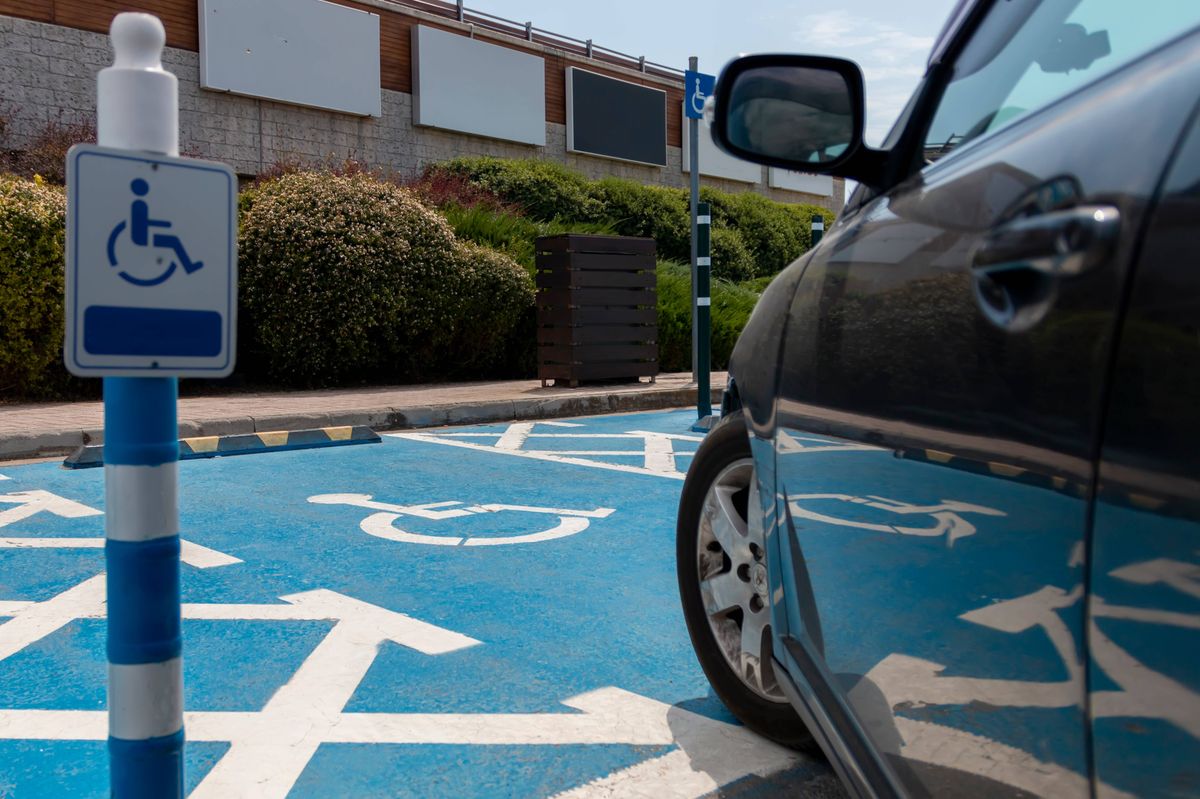
Designated parking spots also contribute to public safety by ensuring that emergency vehicles have clear access to buildings and facilities when needed. Fire hydrants, loading zones, and disabled parking spaces are examples of specially designated spots that serve important safety purposes.
Sustainable Transportation
Promoting alternative modes of transportation, such as cycling or public transit, can reduce the demand for traditional parking spots and alleviate traffic congestion in urban areas. Investing in infrastructure for sustainable transportation options can help create more liveable cities with fewer cars on the road.
In conclusion, parking spots play a vital role in our communities by providing convenience, accessibility, safety, and order for drivers across different settings. By recognising the importance of well-designed and properly managed parking facilities, we can improve our urban environments and enhance the overall quality of life for all residents.
Essential FAQs on Navigating Parking Spots: Tips, Rules, and Solutions
- How can I find available parking spots in busy areas?
- What are the rules and regulations for parking in residential areas?
- How do I pay for parking in different locations?
- What should I do if someone is parked illegally in my designated spot?
- Are there any apps or tools to help locate parking spots nearby?
- What are the consequences of overstaying a time-limited parking spot?
- How can businesses ensure adequate parking for their customers?
- What are the guidelines for disabled parking spaces and who can use them?
- How do electric vehicle charging stations affect traditional parking spaces?
How can I find available parking spots in busy areas?
In busy areas, finding available parking spots can be a challenge for drivers. To locate parking spaces efficiently, there are several strategies you can employ. Utilising mobile apps that offer real-time updates on parking availability in the area can be a valuable tool. Additionally, looking for signs indicating nearby public car parks or designated parking areas can help guide you to available spots. Planning ahead by researching parking options before reaching your destination and being open to exploring alternative parking solutions, such as off-street parking facilities or remote parking lots with shuttle services, can also increase your chances of finding a suitable spot in busy areas.
What are the rules and regulations for parking in residential areas?
When it comes to parking in residential areas, understanding the rules and regulations is essential to ensure compliance and harmony within the community. Typically, parking regulations in residential areas may include restrictions on parking duration, designated parking zones for residents, visitor parking permits, and prohibitions on blocking driveways or emergency access points. By adhering to these rules, residents can help maintain order, safety, and accessibility for all members of the community. It is advisable to familiarise oneself with the specific parking regulations enforced by local authorities to avoid any potential fines or conflicts with neighbours.
How do I pay for parking in different locations?
When it comes to paying for parking in different locations, the methods can vary depending on where you are. In some areas, you may need to use a pay-and-display machine, where you purchase a ticket and display it on your dashboard. Other locations might offer payment through mobile apps, allowing you to pay for parking remotely using your smartphone. Some car parks may have automated payment systems where you pay at a barrier upon exiting. It is essential to familiarise yourself with the specific payment options available at each location to ensure a smooth parking experience without any issues or penalties.
What should I do if someone is parked illegally in my designated spot?
If someone is parked illegally in your designated spot, it can be frustrating and inconvenient. In such a situation, the first step is to remain calm and assess the situation. You may want to check if there are any signs indicating that the spot is reserved or if there are any contact details provided for enforcement. If possible, try to locate the owner of the vehicle and politely ask them to move. If the issue persists, you can contact the relevant authorities or property management to report the illegal parking. It is important to handle the situation with patience and follow proper procedures to resolve the matter effectively while maintaining civility.
Are there any apps or tools to help locate parking spots nearby?
Finding parking spots nearby has become easier than ever thanks to the availability of various apps and tools designed to assist drivers in locating parking spaces. These innovative solutions utilise real-time data and GPS technology to provide users with information on available parking spots, including pricing, location, and availability. By using these apps, drivers can save time and reduce the stress of searching for parking, ultimately improving their overall parking experience. Whether you are in a bustling city or a crowded shopping centre, these apps can help you find convenient parking options with just a few taps on your smartphone.
What are the consequences of overstaying a time-limited parking spot?
Overstaying a time-limited parking spot can have various consequences, including receiving a parking ticket or fine from the local authorities. These penalties are enforced to ensure fair access to parking spaces for all users and to discourage drivers from monopolising limited parking spots. In addition to financial repercussions, overstaying a time-limited parking spot can also inconvenience other drivers who may need the space. It is important to adhere to the specified time limits in parking areas to avoid penalties and maintain a smooth flow of traffic for everyone’s benefit.
How can businesses ensure adequate parking for their customers?
Businesses can ensure adequate parking for their customers by carefully planning and managing their parking facilities. Conducting a thorough assessment of customer parking needs based on factors such as peak hours, location, and expected traffic volume can help businesses determine the required number of parking spots. Implementing efficient parking management strategies, such as designated parking areas, time limits, and employee parking policies, can maximise the use of available space and prevent congestion. Additionally, businesses can explore partnerships with nearby parking facilities or alternative transportation options to offer additional parking solutions for their customers. By prioritising customer convenience and accessibility through proactive planning and effective management, businesses can create a positive experience for their patrons while addressing their parking needs.
What are the guidelines for disabled parking spaces and who can use them?
Disabled parking spaces are designated areas specifically reserved for individuals with disabilities to ensure accessibility and convenience. These spaces are typically marked with the international symbol of accessibility and are located close to building entrances or facilities to accommodate those with mobility challenges. In the UK, guidelines for disabled parking spaces stipulate that only vehicles displaying a valid Blue Badge permit issued by the local council can park in these designated spots. The Blue Badge scheme is designed to assist individuals with disabilities or health conditions in accessing essential services and facilities, allowing them to park closer to their destinations for easier mobility. It is important for all drivers to respect and adhere to these guidelines to support inclusivity and provide equal access to parking facilities for those who need it most.
How do electric vehicle charging stations affect traditional parking spaces?
Electric vehicle charging stations have a significant impact on traditional parking spaces by transforming them into dual-purpose areas that cater to both electric vehicle owners and conventional vehicle users. The installation of charging stations requires designated spots with access to electricity, which may reduce the number of available parking spaces in a given area. However, this transition promotes sustainable transportation practices and encourages the adoption of electric vehicles, contributing to a greener environment and reduced carbon emissions. As the demand for electric vehicles continues to rise, the integration of charging stations into traditional parking spaces plays a crucial role in shaping the future of urban mobility and infrastructure planning.