
Enhancing Road Efficiency with Active Traffic Management Strategies
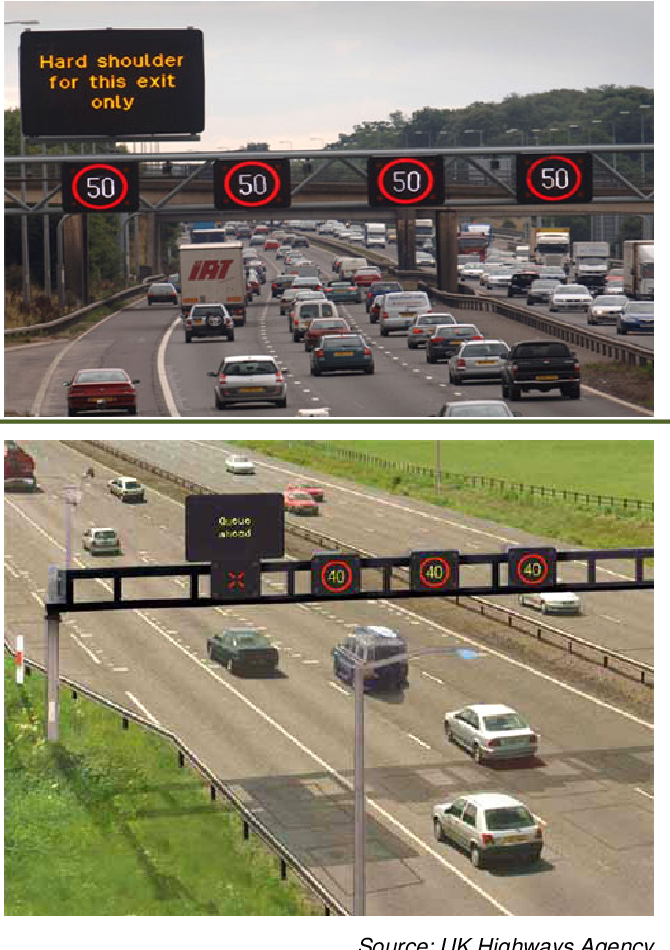
Active Traffic Management: Enhancing Road Efficiency and Safety
Active Traffic Management (ATM) is a dynamic approach to managing traffic flow on roads and motorways. It utilises technology, real-time data, and innovative strategies to optimise traffic conditions, enhance road safety, and improve overall transport efficiency.
Key Components of Active Traffic Management
ATM systems typically incorporate the following key components:
- Variable Speed Limits: Variable speed limits are adjusted in real-time based on traffic conditions to regulate traffic flow and reduce congestion.
- Lane Control: Dynamic lane control systems manage lane usage to maximise road capacity and minimise delays.
- Electronic Message Signs: Electronic signs provide drivers with up-to-date information on traffic conditions, incidents, and alternative routes.
- Ramp Metering: Ramp metering controls the rate at which vehicles enter motorways to prevent congestion at merge points.
- Incident Detection and Response: Automated systems detect incidents quickly and facilitate rapid response to minimise disruption.
The Benefits of Active Traffic Management
Implementing ATM offers a range of benefits for both road users and transportation authorities:
- Reduced Congestion: By actively managing traffic flow, ATM systems help reduce congestion, travel times, and fuel consumption.
- Improved Safety: Real-time monitoring allows for quick detection of incidents, reducing the likelihood of accidents and improving overall road safety.
- Enhanced Capacity: Optimising lane usage and speed limits increases road capacity without the need for costly infrastructure expansion.
- Smoother Traffic Flow: Dynamic management ensures a more consistent flow of traffic, minimising stop-start conditions that lead to bottlenecks.
The Future of Active Traffic Management
The advancement of technology, including artificial intelligence, connected vehicles, and smart infrastructure, is set to revolutionise active traffic management further. These innovations will enable more precise monitoring, prediction of traffic patterns, and adaptive control strategies for even greater efficiency and safety on our roads.
In conclusion, active traffic management is a vital tool in modern transportation planning. By harnessing technology and data-driven strategies, ATM systems can transform how we manage our road networks, creating safer, more efficient journeys for all road users.
6 Essential Tips for Effective Active Traffic Management
- Follow speed limits and traffic signs for a safer commute.
- Stay alert and avoid distractions while driving to react quickly to changing traffic conditions.
- Use indicators when changing lanes or merging to improve traffic flow.
- Maintain a safe following distance from the vehicle in front to prevent collisions.
- Plan your journey ahead of time to avoid peak traffic hours if possible.
- Cooperate with other drivers by allowing smooth merges and lane changes.
Follow speed limits and traffic signs for a safer commute.
Following speed limits and adhering to traffic signs are essential practices for ensuring a safer commute through active traffic management. Speed limits are set based on road conditions and traffic flow to maintain safety for all road users. By obeying these limits and paying attention to traffic signs, drivers can contribute to smoother traffic flow, reduce the risk of accidents, and help create a more efficient and harmonious driving environment. Embracing these guidelines not only enhances personal safety but also plays a crucial role in the overall effectiveness of active traffic management initiatives on our roads.
Stay alert and avoid distractions while driving to react quickly to changing traffic conditions.
To enhance the effectiveness of active traffic management, it is crucial for drivers to stay alert and avoid distractions while behind the wheel. By remaining focused on the road and eliminating distractions such as mobile phones or other activities, drivers can react swiftly to changing traffic conditions. This proactive approach not only contributes to personal safety but also plays a significant role in supporting the overall efficiency of traffic flow, making roads safer for everyone.
Use indicators when changing lanes or merging to improve traffic flow.
Using indicators when changing lanes or merging is a simple yet effective tip that can significantly enhance traffic flow on roads. By signalling your intentions to other drivers, you not only promote safer driving practices but also help maintain a smooth and orderly traffic movement. Clear communication through the use of indicators reduces the likelihood of sudden lane changes, minimises confusion among drivers, and ultimately contributes to a more efficient and harmonious flow of traffic. Remember, a small gesture like using indicators can make a big difference in improving overall road safety and congestion management.
Maintain a safe following distance from the vehicle in front to prevent collisions.
To enhance road safety and prevent collisions, it is crucial to maintain a safe following distance from the vehicle in front while driving under active traffic management. By keeping a sufficient gap between your vehicle and the one ahead, you allow yourself more time to react to sudden stops or changes in traffic flow. This simple yet effective practice not only reduces the risk of rear-end collisions but also contributes to smoother traffic flow and overall road efficiency. Remember, maintaining a safe following distance is a key element of responsible and defensive driving, especially in dynamic traffic environments managed by active traffic management systems.
Plan your journey ahead of time to avoid peak traffic hours if possible.
Planning your journey ahead of time can be a smart strategy to navigate through traffic more efficiently, especially when it comes to avoiding peak traffic hours. By scheduling your travel outside of rush hours, you can reduce the likelihood of getting stuck in congestion and experiencing delays on the road. This proactive approach not only helps you reach your destination faster but also contributes to smoother traffic flow for everyone on the road.
Cooperate with other drivers by allowing smooth merges and lane changes.
Cooperating with other drivers by allowing smooth merges and lane changes is a key aspect of active traffic management. By being considerate and accommodating on the road, drivers can help maintain a steady flow of traffic, reduce congestion, and enhance overall road safety. Allowing space for vehicles to merge or change lanes smoothly not only benefits individual drivers but also contributes to the efficiency of the entire road network. This collaborative approach fosters a safer and more harmonious driving environment, ultimately leading to a more pleasant and stress-free journey for everyone on the road.
Latest articles
Latest comments
Archive
- October 2026
- September 2026
- August 2026
- July 2026
- June 2026
- May 2026
- April 2026
- March 2026
- February 2026
- January 2026
- December 2025
- November 2025
- October 2025
- September 2025
- August 2025
- July 2025
- June 2025
- May 2025
- April 2025
- March 2025
- February 2025
- January 2025
- December 2024
- November 2024
- October 2024
- September 2024
- August 2024
- July 2024
- June 2024
- May 2024
- April 2024
- March 2024
- February 2024
- January 2024
- December 2023
- November 2023
- October 2023
- September 2023
- August 2023
- July 2023
- June 2023
- May 2023
- April 2023