
Understanding the Benefits of the Double Yellow Disabled Badge in the UK
The Importance of the Double Yellow Disabled Badge
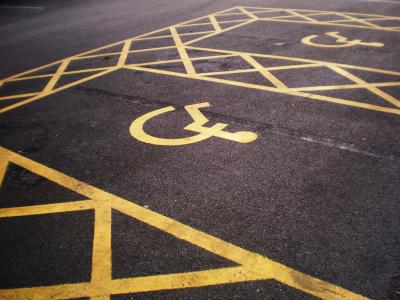
Double yellow lines are a common sight on UK roads, indicating no parking at any time. However, there is an exception to this rule when it comes to disabled badge holders. The double yellow disabled badge provides crucial parking privileges to those with disabilities, allowing them easier access to essential services and facilities.
What is a Double Yellow Disabled Badge?
A double yellow disabled badge is a special permit issued to individuals with disabilities that allows them to park on double yellow lines for a limited period of time. This privilege recognises the challenges that disabled individuals face in finding suitable parking spaces close to their destination.
Who Qualifies for a Double Yellow Disabled Badge?
To qualify for a double yellow disabled badge, individuals must meet certain criteria set by the local council or relevant authority. Generally, eligibility is based on factors such as mobility issues that significantly impair the individual’s ability to walk long distances or use public transport.
The Benefits of the Double Yellow Disabled Badge
Having a double yellow disabled badge can make a significant difference in the lives of those with disabilities. It allows them to park closer to shops, medical facilities, and other services, reducing the physical strain and discomfort associated with long walks or inaccessible parking areas.
Respecting and Upholding Parking Regulations
While the double yellow disabled badge provides important privileges, it is essential for badge holders to use them responsibly. It is crucial to adhere to the specified time limits and regulations associated with the badge to ensure fair access for all individuals who rely on these parking provisions.
Conclusion
The double yellow disabled badge plays a vital role in promoting inclusivity and accessibility for individuals with disabilities. By providing designated parking spaces on double yellow lines, it helps improve mobility and independence for those who face unique challenges in accessing essential services and facilities.
Essential Tips for Disabled Badge Holders Navigating Double Yellow Line Restrictions
- Double yellow lines generally indicate no parking at any time, even for disabled badge holders.
- Always check local signage and regulations regarding parking with a disabled badge on double yellow lines.
- Do not assume that having a disabled badge allows you to park on double yellow lines without penalty.
- Consider alternative parking options if double yellow lines are the only available space.
- Contact local authorities for specific guidance on using a disabled badge in relation to double yellow lines.
Double yellow lines generally indicate no parking at any time, even for disabled badge holders.
Double yellow lines typically signify no parking at any time, including for disabled badge holders. While the double yellow disabled badge provides important parking privileges for individuals with disabilities, it is crucial to understand that these privileges do not extend to parking on double yellow lines. It is essential for all drivers, including badge holders, to respect and adhere to the regulations associated with double yellow lines to ensure safety and traffic flow on the roads.
Always check local signage and regulations regarding parking with a disabled badge on double yellow lines.
It is essential to always check local signage and regulations regarding parking with a disabled badge on double yellow lines. Different areas may have specific rules and time limits associated with using the double yellow disabled badge. By staying informed about the local requirements, badge holders can ensure they are parking responsibly and in compliance with the law, ultimately contributing to fair access for all individuals who rely on these designated parking provisions.
Do not assume that having a disabled badge allows you to park on double yellow lines without penalty.
It is important to note that having a disabled badge does not automatically grant permission to park on double yellow lines without consequence. While the badge provides certain privileges for disabled individuals, it is crucial to adhere to the specified time limits and regulations associated with it. Parking on double yellow lines without following the rules can still result in penalties or fines, so it is essential to use the badge responsibly and in accordance with the law to ensure fair access for all individuals who rely on these designated parking provisions.
Consider alternative parking options if double yellow lines are the only available space.
When faced with limited parking options and double yellow lines as the only available space, individuals holding double yellow disabled badges should consider alternative parking solutions. Exploring nearby car parks, designated disabled parking bays, or seeking assistance from local authorities for temporary accommodations can help ensure accessibility while respecting parking regulations. Prioritising safety and convenience, exploring alternative parking options demonstrates responsible use of the badge and promotes efficient mobility for individuals with disabilities.
Contact local authorities for specific guidance on using a disabled badge in relation to double yellow lines.
It is advisable to contact local authorities for specific guidance on using a disabled badge in relation to double yellow lines. Local councils or relevant authorities can provide detailed information on the rules and regulations governing the use of double yellow disabled badges, including any time restrictions or special considerations that need to be taken into account. By seeking guidance from the authorities, individuals can ensure that they are using their disabled badge correctly and in accordance with local parking regulations, ultimately helping to make their parking experience more efficient and compliant with the law.