
Ensuring Road Safety: The Role of Temporary Traffic Lights Signs
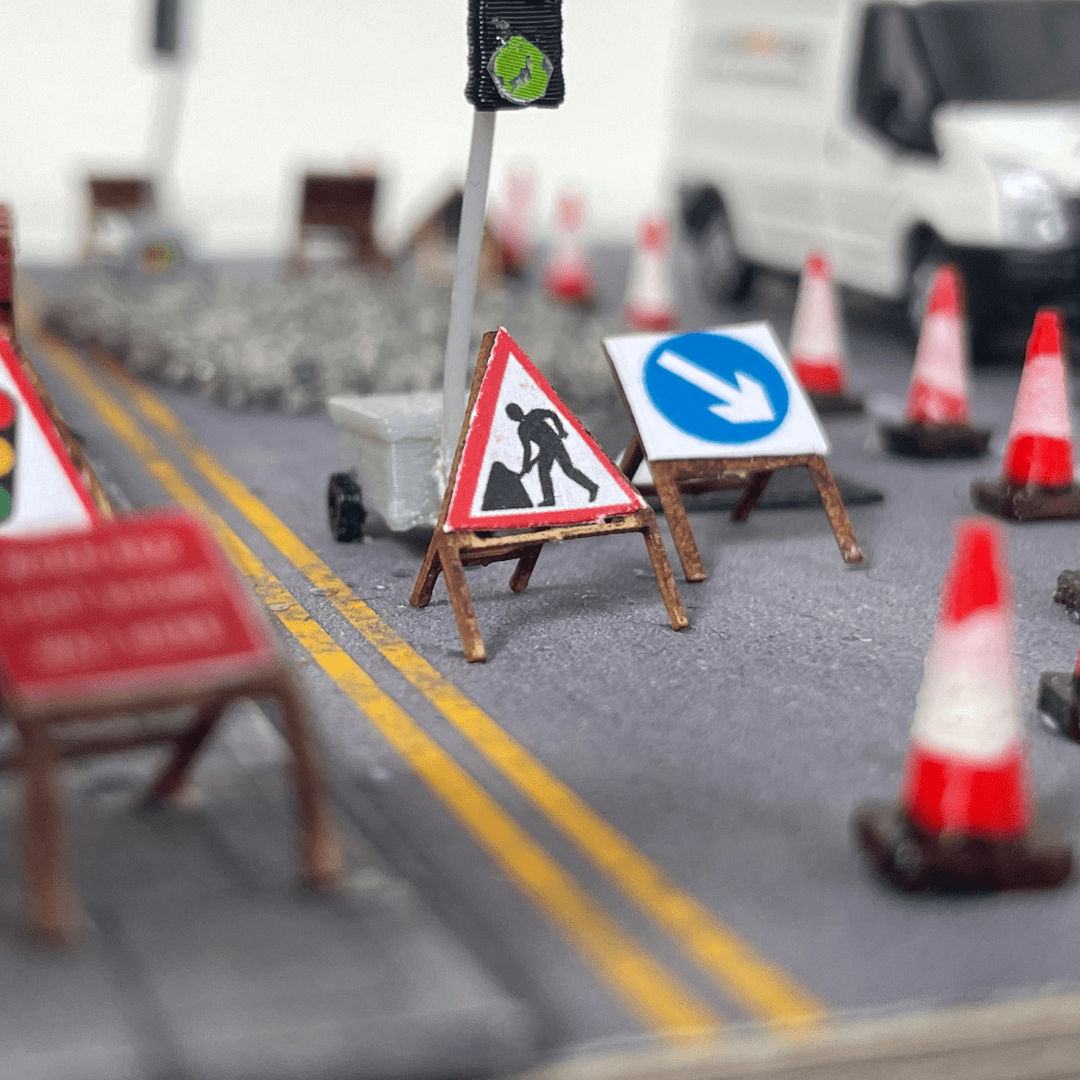
The Importance of Temporary Traffic Lights Signs in Road Safety
Temporary traffic lights signs play a crucial role in managing traffic flow and ensuring the safety of road users during construction or maintenance work on roads. These signs are typically used at roadworks, accidents, or other situations where normal traffic flow needs to be altered.
Functionality of Temporary Traffic Lights Signs
Temporary traffic lights signs are equipped with red, amber, and green lights that operate similarly to permanent traffic lights. They help regulate the movement of vehicles by indicating when to stop and when to proceed with caution. These signs are controlled by a temporary control panel usually located near the worksite.
Benefits of Temporary Traffic Lights Signs
- Enhanced Safety: By clearly directing drivers on when to stop or proceed, temporary traffic lights signs reduce the risk of accidents and collisions at roadworks.
- Traffic Management: These signs help maintain a smooth flow of traffic by controlling the movement of vehicles through construction zones or other temporary disruptions.
- Improved Efficiency: Using temporary traffic lights signs can help expedite construction work by efficiently managing the movement of vehicles around the worksite.
- Legal Compliance: Employing temporary traffic lights signs ensures that roadworks comply with regulations regarding traffic management and safety.
Considerations for Using Temporary Traffic Lights Signs
When implementing temporary traffic lights signs, it is essential to consider factors such as visibility, placement, and appropriate timing for their operation. Proper training for personnel responsible for managing these signs is also crucial to ensure effective use and minimise disruptions to traffic flow.
In Conclusion
Temporary traffic lights signs are indispensable tools for maintaining safety and order on roads during construction or maintenance activities. By following best practices in their deployment and operation, road authorities can effectively manage traffic flow while prioritising the safety of all road users.
Understanding Temporary Traffic Lights: Your Questions Answered
- What are temporary traffic lights used for?
- How do temporary traffic lights work?
- Who is responsible for setting up temporary traffic lights?
- Are there specific regulations governing the use of temporary traffic lights?
- How long can temporary traffic lights be in place?
- What should I do if a temporary traffic light is not working properly?
- Do temporary traffic lights operate 24/7 during roadworks?
- Can I report issues with temporary traffic light setups to local authorities?
- Are there penalties for ignoring signals from a temporary traffic light?
What are temporary traffic lights used for?
Temporary traffic lights are used to regulate traffic flow and ensure safety at various temporary roadworks or construction sites. These lights serve as a temporary alternative to permanent traffic lights and help control the movement of vehicles by indicating when to stop and when to proceed with caution. By effectively managing the flow of traffic, temporary traffic lights contribute to reducing congestion, preventing accidents, and facilitating the smooth operation of construction activities while prioritising the safety of road users.
How do temporary traffic lights work?
Temporary traffic lights operate similarly to permanent traffic lights but are used temporarily to manage traffic flow at roadworks, accidents, or other situations requiring altered traffic patterns. These lights are equipped with red, amber, and green signals that indicate when vehicles should stop, proceed with caution, or move forward. Temporary traffic lights work by controlling the sequence of these signals through a temporary control panel typically located near the worksite. By regulating the movement of vehicles and pedestrians, temporary traffic lights enhance safety, ensure efficient traffic management, and help minimise disruptions during construction or maintenance activities on roads.
Who is responsible for setting up temporary traffic lights?
The responsibility for setting up temporary traffic lights typically lies with the organisation or contractor overseeing the roadworks or construction project that necessitates their use. It is crucial for those in charge of the works to ensure that temporary traffic lights are installed correctly, maintained properly, and operated safely to regulate traffic flow and enhance road safety during the project. Compliance with relevant regulations and guidelines is essential to ensure that temporary traffic lights are deployed effectively and responsibly.
Are there specific regulations governing the use of temporary traffic lights?
Yes, there are specific regulations governing the use of temporary traffic lights to ensure the safety of road users and the efficient management of traffic flow. In the UK, temporary traffic lights must comply with the Traffic Signs Manual published by the Department for Transport. These regulations outline guidelines for the design, placement, operation, and visibility of temporary traffic lights to minimise confusion among drivers and pedestrians. Additionally, those responsible for setting up and managing temporary traffic lights must adhere to relevant legislation, such as the Road Traffic Regulation Act 1984, to ensure compliance with legal requirements and maintain road safety standards.
How long can temporary traffic lights be in place?
Temporary traffic lights can be in place for varying durations depending on the specific roadworks or situation at hand. Generally, temporary traffic lights are installed for as long as necessary to complete the construction or maintenance work safely and efficiently. Factors such as the scope of the project, the level of disruption to traffic flow, and local regulations all play a role in determining how long temporary traffic lights will remain in operation. Road authorities strive to minimise inconvenience to road users while ensuring that necessary work is completed within a reasonable timeframe.
What should I do if a temporary traffic light is not working properly?
When encountering a temporary traffic light that is not functioning correctly, it is crucial to proceed with caution and treat the intersection as an uncontrolled junction. In such situations, drivers should approach the intersection slowly, be prepared to yield to other vehicles, and use their best judgment to navigate safely through the area. It is essential to remain vigilant, look out for any hand signals from construction workers or traffic management personnel, and be prepared for potential delays or changes in traffic patterns. Additionally, drivers are advised to report the issue immediately to the relevant authorities or contact the emergency services if necessary to ensure prompt resolution and maintain safety on the road.
Do temporary traffic lights operate 24/7 during roadworks?
During roadworks, temporary traffic lights do not typically operate 24/7. The operation of temporary traffic lights is usually scheduled to align with the working hours of the road construction or maintenance crew. Temporary traffic lights are set up and activated during specific times when work is being carried out, ensuring that traffic flow is managed efficiently and safely during those periods. Outside of these designated work hours, temporary traffic lights may be turned off to allow for normal traffic flow unless there are specific circumstances that require continuous operation, such as ongoing construction activities or safety concerns.
Can I report issues with temporary traffic light setups to local authorities?
Yes, you can report issues with temporary traffic light setups to local authorities. If you encounter problems such as malfunctioning lights, inadequate signage, or unsafe conditions at temporary traffic light sites, it is important to notify the relevant local authority promptly. By reporting these issues, you can help ensure the safety of road users and contribute to the efficient management of traffic flow in your area. Local authorities rely on feedback from the public to address concerns and make necessary adjustments to temporary traffic light setups for the benefit of all road users.
Are there penalties for ignoring signals from a temporary traffic light?
Ignoring signals from a temporary traffic light can have serious consequences, including penalties and fines. Road users are legally required to obey all traffic signals, including temporary ones, to ensure the safety of themselves and others on the road. Failure to adhere to temporary traffic light signals not only poses a risk of accidents but also constitutes a traffic offence that may result in penalties such as fines, points on your driving licence, or even legal action depending on the severity of the violation. It is crucial for drivers to respect and follow temporary traffic light signals to maintain order and safety on the roads.