
Raised Table Crossing: Benefits, Design and Safety Considerations
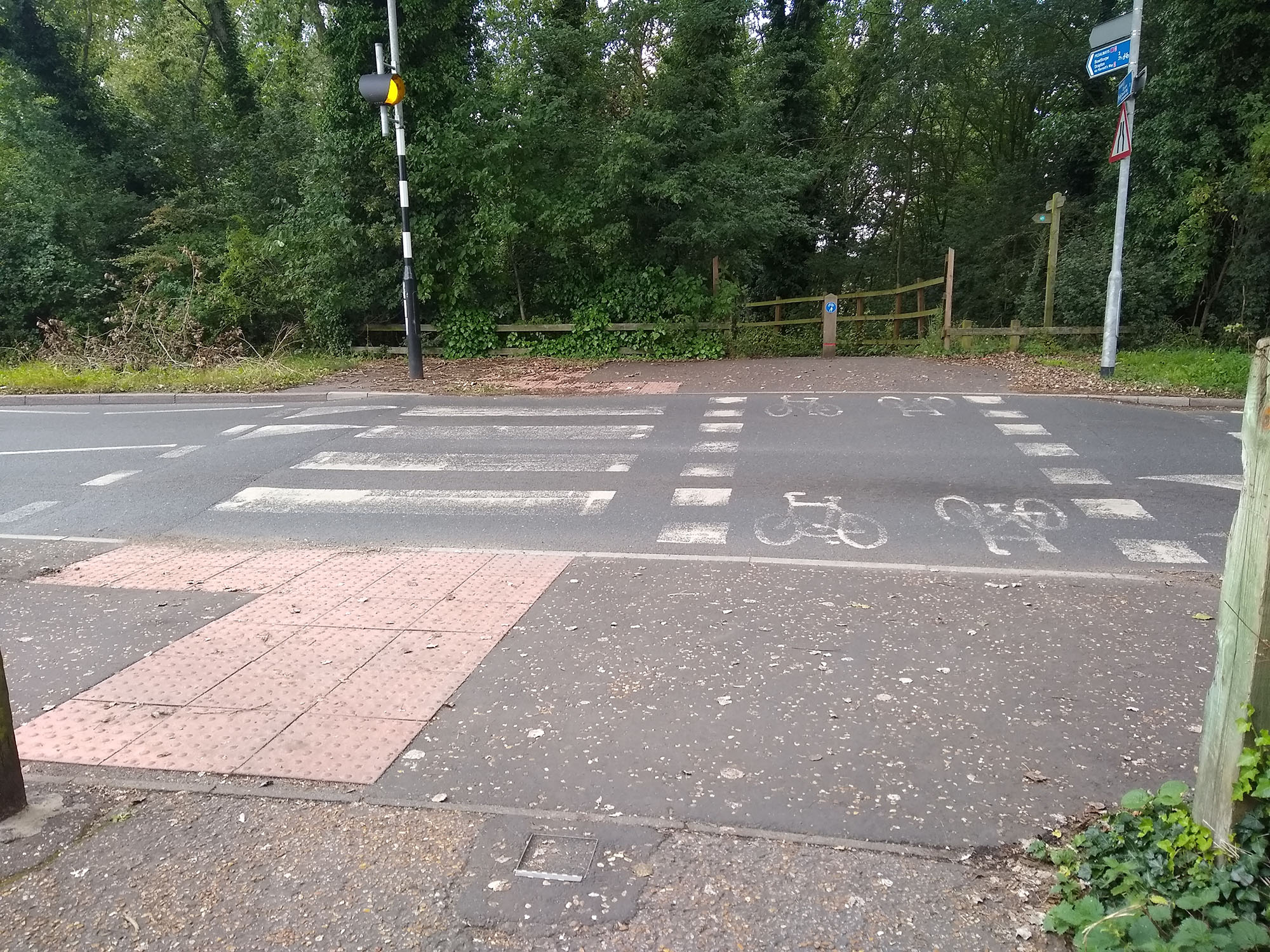
Raised Table Crossings: A Safer, More Accessible Way to Cross
A raised table crossing is a section of road where the carriageway is lifted to footway level, creating a level or near-level route for pedestrians across the road. The raised area also acts as a traffic-calming feature, encouraging drivers to slow down as they approach the crossing.
Raised crossings are used in a range of settings, including town centres, residential streets, school routes, shopping areas and locations with high pedestrian activity. When designed and installed appropriately, they can help make crossing points more visible and convenient for people travelling on foot, using a wheelchair or pushing a pram.
How does a raised table crossing work?
A raised table crossing brings the road surface up to meet the height of the adjoining footway. Ramps at either end of the raised section guide vehicles onto and off the table. The crossing may be marked with road markings, signs, tactile paving or other features, depending on the location and design.
Raised tables are commonly used with pedestrian crossing points, but the precise layout varies. Some are informal crossings, while others may be part of a controlled crossing arrangement. The design should make clear where pedestrians are expected to cross and how vehicles should approach the feature.
Benefits of raised table crossings
- Lower vehicle speeds: The raised profile encourages drivers to reduce speed, particularly where the feature is clearly visible and appropriately designed.
- A more direct crossing route: Raising the carriageway can reduce the need for pedestrians to step down into the road and climb back up onto the footway.
- Improved visibility: A raised crossing can make the pedestrian route more noticeable to drivers, especially when supported by suitable markings and signs.
- Greater accessibility: A well-designed level crossing can assist wheelchair users, people with limited mobility and those pushing prams or wheeled luggage.
- Support for placemaking: Raised tables can help signal a change in street character, such as entry into a town centre, school area or pedestrian-priority environment.
Accessibility and inclusive design
Accessibility depends on more than simply raising the road to footway level. The crossing should be easy to identify and use for people with different mobility and sensory needs. This may involve suitable tactile paving, clear visual contrast, appropriate gradients and a layout that avoids unnecessary obstacles.
Designers should also consider drainage, kerb details, the width of the crossing and how it connects with surrounding footways. Tactile paving needs to be selected and positioned to suit the crossing arrangement. Where a crossing is intended to be flush, designers should consider how blind and partially sighted pedestrians can detect the boundary between the footway and carriageway.
Where are raised table crossings used?
Raised crossings can be suitable where pedestrian activity is high or where lower vehicle speeds are desirable. Common locations include:
- outside schools and community facilities;
- on residential streets and local shopping streets;
- near public transport stops;
- within town and city centres;
- at pedestrian routes connecting parks, housing or public spaces.
They are not appropriate for every road. Traffic volume, road gradient, vehicle access, drainage, emergency routes and nearby junctions all need to be considered. A site assessment helps determine whether a raised table is suitable and what form it should take.
Design and installation considerations
A successful raised table crossing needs careful planning. The height and length of the table, the gradient of its ramps and the position of the crossing should suit the road and its users. Designers also need to consider how the feature will affect cyclists, buses, larger vehicles and people living or working nearby.
Materials and construction methods should be selected for the expected traffic and site conditions. Road markings and signs must be appropriate for the crossing and kept visible. Drainage is another important consideration: changes to the road profile should not cause water to collect on the crossing or footway.
In the UK, crossing design and traffic signs must be considered alongside relevant legislation and current guidance. Requirements can vary according to the type of crossing and the location, so design and installation should be carried out by suitably experienced professionals in consultation with the relevant highway authority.
Maintenance matters
Regular inspection helps keep a raised table crossing safe and usable. Checks may include the condition of the road surface, ramps, joints, drainage, tactile paving, signs and road markings. Wear, settlement or damage can affect both the crossing’s visibility and its accessibility, so defects should be assessed and repaired promptly.
A practical feature for safer streets
Raised table crossings can combine a convenient pedestrian crossing point with a traffic-calming measure. Their effectiveness depends on thoughtful design, clear identification and ongoing maintenance. By considering the needs of all road users, a raised crossing can contribute to streets that are easier and safer to navigate.
Understanding Raised Table Crossings: Key Questions and Answers
- What is a raised table crossing?
- How does a raised table crossing work?
- What are the benefits of a raised table crossing?
- Where are raised table crossings commonly installed?
- Are raised table crossings accessible for wheelchair users and people with visual impairments?
- Do raised table crossings slow down traffic?
- What is the difference between a raised table crossing and a speed table?
- What road markings and signs are used at a raised table crossing?
- How are raised table crossings designed, installed and maintained?
What is a raised table crossing?
A raised table crossing is a section of road raised to approximately the level of the surrounding footways, creating a more level route for pedestrians to cross. The sloped ramps at either end encourage drivers to slow down, while suitable markings, signs and tactile paving can help make the crossing easier to identify.
How does a raised table crossing work?
A raised table crossing works by lifting the road surface to meet the level of the adjoining footway, creating a raised, relatively level route for pedestrians to cross. Sloped ramps at either end guide vehicles onto and off the table, encouraging drivers to slow down. Depending on the design and location, the crossing may also include road markings, signs and tactile paving to help make it clear and accessible to different users.
What are the benefits of a raised table crossing?
A raised table crossing can help make a road safer and more accessible by lifting the carriageway to meet the footway, creating a more level route for pedestrians, wheelchair users and people pushing prams. Its raised profile encourages drivers to slow down, while clear markings and signs can make the crossing point more noticeable. Raised crossings can be particularly useful near schools, shops and other places with high pedestrian activity, although their suitability depends on the road layout and local conditions.
Where are raised table crossings commonly installed?
Raised table crossings are commonly installed in areas with high pedestrian activity or where lower vehicle speeds are desirable, such as town centres, residential streets, school zones and shopping areas. They may also be used near public transport stops, community facilities and routes linking parks or public spaces. The most suitable location depends on factors such as traffic levels, road layout, drainage and the needs of local road users.
Are raised table crossings accessible for wheelchair users and people with visual impairments?
Yes, raised table crossings can be accessible for wheelchair users because they provide a level or gently graded route across the road, reducing the need to negotiate a kerb. They should also include suitable tactile paving and visual contrast to help people with visual impairments identify the crossing and the edge of the carriageway. Accessibility depends on the design and installation, so features such as gradients, drainage and tactile paving should be planned carefully to meet the needs of different users.
Do raised table crossings slow down traffic?
Yes. Raised table crossings are designed to encourage drivers to slow down by lifting the road surface and using ramps at either end. The change in level prompts drivers to approach with care, helping to reduce vehicle speeds near pedestrian crossing points. The effect depends on factors such as the table’s design, the surrounding road layout, traffic conditions and how clearly the crossing is marked.
What is the difference between a raised table crossing and a speed table?
A raised table crossing is designed primarily to provide a more accessible, prominent place for pedestrians to cross, with the road surface raised towards footway level. A speed table is designed mainly to slow vehicle traffic: it is a raised, flat-topped traffic-calming feature that vehicles drive over, and it may or may not be positioned at a pedestrian crossing. The two can look similar, and a raised table crossing can also help reduce vehicle speeds, but their purpose and design details differ.
What road markings and signs are used at a raised table crossing?
The markings and signs at a raised table crossing depend on whether it is an informal crossing or part of a formal crossing, such as a zebra crossing. A formal crossing will have its prescribed crossing markings and signs—for example, a zebra crossing has black-and-white stripes, zig-zag approach markings and beacons. An informal raised crossing may instead use contrasting surfacing, road markings or warning signs to make the raised feature and pedestrian route clear. Where required, a road-hump warning sign can alert drivers to the raised table. The layout should follow the relevant UK requirements and be agreed with the local highway authority.
How are raised table crossings designed, installed and maintained?
Raised table crossings are designed following a site assessment that considers pedestrian needs, traffic speeds and volumes, accessibility, drainage and the surrounding road layout. The design sets out the table’s height, length and ramp gradients, along with appropriate tactile paving, signs and road markings, in line with relevant standards and the highway authority’s requirements. Installation is planned to minimise disruption and is carried out with suitable traffic and pedestrian management, followed by checks that the surface, levels and markings meet the specification. Ongoing maintenance includes inspecting the surfacing, ramps, drainage, tactile paving, signs and markings, and repairing wear or damage promptly so the crossing remains visible, safe and accessible.