
Enhancing Road Safety: The Significance of Yellow Zigzag Lines on the Road
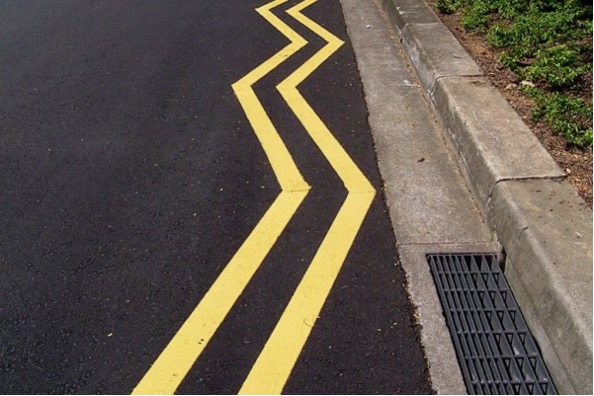
The Importance of Yellow Zigzag Lines on Roads
Yellow zigzag lines painted on roads serve a crucial purpose in ensuring safety and traffic flow. These distinctive markings are commonly found near schools, pedestrian crossings, and areas where parking is restricted for safety reasons.
Key Features of Yellow Zigzag Lines:
- No Parking Zone: Yellow zigzag lines indicate areas where parking is strictly prohibited. This restriction helps maintain visibility and accessibility for pedestrians and other road users.
- Safety Measures: By keeping these zones clear of parked vehicles, emergency services have unobstructed access to the area in case of an incident or accident.
- Pedestrian Crossings: Yellow zigzag lines are often used to highlight pedestrian crossings, alerting drivers to slow down and be cautious of pedestrians crossing the road.
- School Zones: Near schools, yellow zigzag lines are crucial for ensuring the safety of children. They indicate areas where drivers should not park to maintain visibility and prevent accidents involving young pedestrians.
Compliance with Regulations:
In the UK, parking on yellow zigzag lines is illegal and can result in fines or penalties. It is essential for drivers to adhere to these regulations to ensure the safety of all road users.
Maintaining Road Safety:
Properly maintained yellow zigzag lines play a vital role in maintaining road safety. Local authorities regularly inspect and repaint these markings to ensure their visibility and effectiveness in managing traffic flow.
Conclusion
Yellow zigzag lines on roads are more than just paint – they represent a commitment to road safety and efficient traffic management. By understanding the significance of these markings and complying with regulations, drivers can contribute to creating safer roads for everyone.
Understanding Yellow Zigzag Lines: 9 Essential Tips for Road Safety and Compliance
- Yellow zigzag lines indicate no stopping at any time.
- Do not park or stop your vehicle on yellow zigzag lines.
- Yellow zigzag lines are usually found near pedestrian crossings.
- Stopping on yellow zigzag lines can obstruct the view of pedestrians and other drivers.
- Ignoring yellow zigzag lines can result in fines and penalties.
- Always look out for yellow zigzag lines to ensure compliance with traffic regulations.
- Yellow zigzag lines are meant to ensure safety for pedestrians crossing the road.
- Parking on yellow zigzag lines can pose a danger to both pedestrians and drivers.
- Respect yellow zigzag lines to maintain smooth traffic flow and pedestrian safety.
Yellow zigzag lines indicate no stopping at any time.
Yellow zigzag lines painted on roads serve as a clear indication that stopping is prohibited at all times. These yellow markings are strategically placed in areas where parking or stopping could pose a safety hazard, such as near pedestrian crossings, schools, or emergency vehicle access points. By respecting and adhering to the message conveyed by yellow zigzag lines, drivers contribute to maintaining smooth traffic flow, ensuring pedestrian safety, and allowing for unobstructed access for emergency services when needed.
Do not park or stop your vehicle on yellow zigzag lines.
It is important to remember that parking or stopping your vehicle on yellow zigzag lines is strictly prohibited. These markings indicate areas where parking is restricted for safety reasons, such as near pedestrian crossings or schools. By avoiding parking on yellow zigzag lines, drivers can help maintain clear visibility, ensure accessibility for emergency services, and contribute to overall road safety for all road users. Compliance with this rule is essential to prevent accidents and ensure smooth traffic flow in these designated areas.
Yellow zigzag lines are usually found near pedestrian crossings.
Yellow zigzag lines are commonly located near pedestrian crossings as a visual indication to drivers of areas where parking is strictly prohibited. These markings serve to enhance the visibility of pedestrians crossing the road and help ensure their safety by maintaining clear sightlines for both pedestrians and drivers. Adhering to the restrictions imposed by yellow zigzag lines near pedestrian crossings is essential in promoting road safety and preventing potential accidents.
Stopping on yellow zigzag lines can obstruct the view of pedestrians and other drivers.
Stopping on yellow zigzag lines can pose a significant hazard as it obstructs the view of pedestrians and other drivers. These lines are strategically placed to ensure clear visibility and safety for all road users, especially in areas such as pedestrian crossings and school zones. By refraining from parking or stopping on yellow zigzag lines, drivers play a crucial role in maintaining road safety and preventing potential accidents or collisions.
Ignoring yellow zigzag lines can result in fines and penalties.
Ignoring yellow zigzag lines on the road can have serious consequences, including fines and penalties. These distinctive markings are in place to ensure the safety of pedestrians, maintain traffic flow, and provide clear access for emergency services. By disregarding yellow zigzag lines and parking in restricted areas, drivers not only risk financial penalties but also compromise the safety of others on the road. It is essential for all road users to respect and adhere to these regulations to promote a safer and more efficient road environment for everyone.
Always look out for yellow zigzag lines to ensure compliance with traffic regulations.
It is essential for drivers to always be vigilant and watch out for yellow zigzag lines on the road to ensure compliance with traffic regulations. These markings serve as important indicators of no-parking zones and areas where stopping is restricted for safety reasons. By paying attention to yellow zigzag lines, motorists can contribute to maintaining clear visibility, ensuring pedestrian safety, and preventing traffic congestion in crucial areas such as school zones and pedestrian crossings. Staying mindful of these markings helps promote road safety and responsible driving practices.
Yellow zigzag lines are meant to ensure safety for pedestrians crossing the road.
Yellow zigzag lines painted on roads serve a crucial role in ensuring safety for pedestrians crossing the road. These distinctive markings are specifically designed to alert drivers to areas where parking is prohibited to maintain visibility and accessibility for pedestrians. By keeping these zones clear of parked vehicles, yellow zigzag lines help enhance pedestrian safety by providing a clear pathway for crossing the road without obstruction from parked cars, ultimately reducing the risk of accidents and enhancing overall road safety.
Parking on yellow zigzag lines can pose a danger to both pedestrians and drivers.
Parking on yellow zigzag lines can pose a significant danger to both pedestrians and drivers. These markings are strategically placed to ensure clear visibility and safety near pedestrian crossings, schools, and other sensitive areas. When vehicles park on yellow zigzag lines, they obstruct sightlines for both pedestrians and drivers, increasing the risk of accidents and collisions. It is essential for all road users to respect these restrictions to maintain a safe environment for everyone on the road.
Respect yellow zigzag lines to maintain smooth traffic flow and pedestrian safety.
Respecting yellow zigzag lines on the road is essential to uphold smooth traffic flow and ensure pedestrian safety. These markings serve as a clear indication of restricted parking areas and are strategically placed near pedestrian crossings and school zones to enhance visibility and prevent potential hazards. By adhering to the regulations associated with yellow zigzag lines, drivers contribute to a safer road environment for all road users, promoting efficient traffic management and prioritising pedestrian safety.