
Navigating Urban Changes: Understanding the Impact of Street Closures
The Impact of Street Closures on Communities
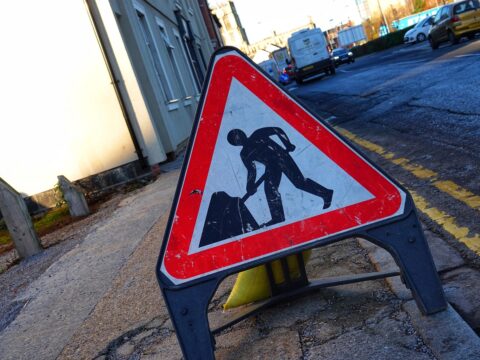
Street closures are a common occurrence in urban areas, often implemented for various reasons such as construction projects, events, or traffic management. While street closures may cause inconvenience to motorists and pedestrians, they can also have significant benefits for communities.
Enhanced Safety
One of the primary reasons for street closures is to improve safety. By closing certain streets to traffic, especially in residential areas or near schools, the risk of accidents and injuries can be greatly reduced. Pedestrians and cyclists can enjoy a safer environment without the constant threat of speeding vehicles.
Promoting Community Engagement
Street closures provide opportunities for communities to come together and engage in various activities. Events such as street fairs, markets, and festivals often require temporary closures to create a pedestrian-friendly space where people can socialise, shop, and enjoy entertainment.
Encouraging Active Transportation
When streets are closed to vehicular traffic, it encourages people to consider alternative modes of transportation such as walking or cycling. This not only promotes physical activity but also reduces air pollution and congestion on the roads.
Challenges of Street Closures
While street closures offer numerous benefits, they can also present challenges. Businesses located along closed streets may experience a decrease in foot traffic and revenue during closure periods. Residents may face inconvenience in accessing their homes or navigating through detours.
Conclusion
In conclusion, street closures play a vital role in shaping urban environments and enhancing the quality of life for residents. By carefully planning and implementing street closures with consideration for community needs and concerns, cities can create safer, more vibrant spaces that promote social interaction, active living, and sustainable transportation.
Frequently Asked Questions About Local Road and Street Closures
- Who is digging up my road?
- How to find local road closures?
- How do I find out road closures in my area?
- Which routes are closed today in Ahmedabad?
- Can you block a road for 15 minutes?
- How do I find out if a road is closed UK?
- Do road closures show on Google Maps?
- What is happening at the Black Cat Roundabout?
Who is digging up my road?
It is a common concern for residents to wonder who is responsible for digging up their road. Roadworks are often carried out by utility companies such as gas, water, electricity, or telecommunications providers. These companies may need to access underground infrastructure to repair or upgrade their services, which can result in temporary disruptions to road traffic and pedestrian access. Local authorities or highway maintenance teams may also be involved in roadworks for maintenance or improvement purposes. Understanding the reasons behind road closures and communicating with relevant authorities can help alleviate concerns and provide clarity to residents affected by such disruptions.
How to find local road closures?
To find information about local road closures, residents can typically check their local council’s website or contact the council directly for updates. Many councils provide online resources or dedicated sections on their websites that list upcoming road closures, diversions, and construction projects. Additionally, residents can sign up for email alerts or follow social media accounts of the local council or transportation department to stay informed about any planned street closures in their area. It is advisable to plan ahead and consider alternative routes when navigating through areas affected by road closures to minimise disruptions to travel plans.
How do I find out road closures in my area?
To find out about road closures in your area, there are several sources you can consult. Local council websites often provide up-to-date information on planned road closures due to maintenance, events, or construction projects. Additionally, you can check traffic and navigation apps that offer real-time updates on road closures and traffic conditions. Signing up for email or text alerts from your local transportation authority is another effective way to stay informed about upcoming road closures in your area. By utilising these resources, you can proactively plan your routes and avoid any disruptions caused by street closures.
Which routes are closed today in Ahmedabad?
Many residents and visitors in Ahmedabad often inquire about the specific routes that are closed on any given day. Understanding which routes are closed is crucial for planning travel and avoiding potential delays or detours. By staying informed about street closures in Ahmedabad, individuals can better navigate the city’s road network and adjust their routes accordingly to reach their destinations efficiently. Stay updated on the latest information regarding street closures to ensure a smooth and hassle-free journey through Ahmedabad’s bustling streets.
Can you block a road for 15 minutes?
One frequently asked question regarding street closures is whether it is permissible to block a road for a short duration, such as 15 minutes. The answer to this question typically depends on the specific circumstances and regulations in place. In some cases, temporary road closures for brief periods may be allowed for activities like loading/unloading, event setup, or emergency situations. However, it is essential to obtain proper permissions, adhere to traffic management guidelines, and ensure minimal disruption to traffic flow and local residents during the temporary closure. Proper planning and communication with relevant authorities are crucial when considering blocking a road even for a short duration.
How do I find out if a road is closed UK?
To find out if a road is closed in the UK, there are several ways you can check for information. One common method is to visit the official website of the local council or highway authority responsible for the area where the road closure is expected. These websites often provide up-to-date information on road closures, diversions, and any planned works. Additionally, you can use navigation apps such as Google Maps or Waze, which typically display real-time traffic updates, including road closures and alternative routes. It’s also advisable to follow local news sources or social media accounts for relevant updates on road closures in your area. By utilising these resources, you can stay informed about any disruptions to your travel plans and make necessary adjustments accordingly.
Do road closures show on Google Maps?
Road closures do typically show on Google Maps, as the platform utilises real-time data from various sources to provide up-to-date information on road conditions. When a road closure is reported or detected, Google Maps may display the affected area as inaccessible or offer alternative routes to help users navigate around the closure. This feature helps users plan their journeys more effectively and avoid delays caused by unexpected road closures. It is important to note that while Google Maps strives to provide accurate and timely information, road closures can sometimes occur suddenly and may not be immediately reflected on the app.
What is happening at the Black Cat Roundabout?
The Black Cat Roundabout is undergoing temporary street closures and traffic diversions due to ongoing roadworks aimed at improving traffic flow and safety in the area. The construction project includes upgrades to road markings, signage, and lane configurations to enhance the efficiency of the roundabout. These closures are necessary to facilitate the completion of these improvements and may cause temporary disruptions to normal traffic patterns. Motorists are advised to follow alternative routes and allow for extra travel time when passing through the Black Cat Roundabout during this period of construction.