
Road Marking Companies: Services, Materials and How to Choose the Right Contractor
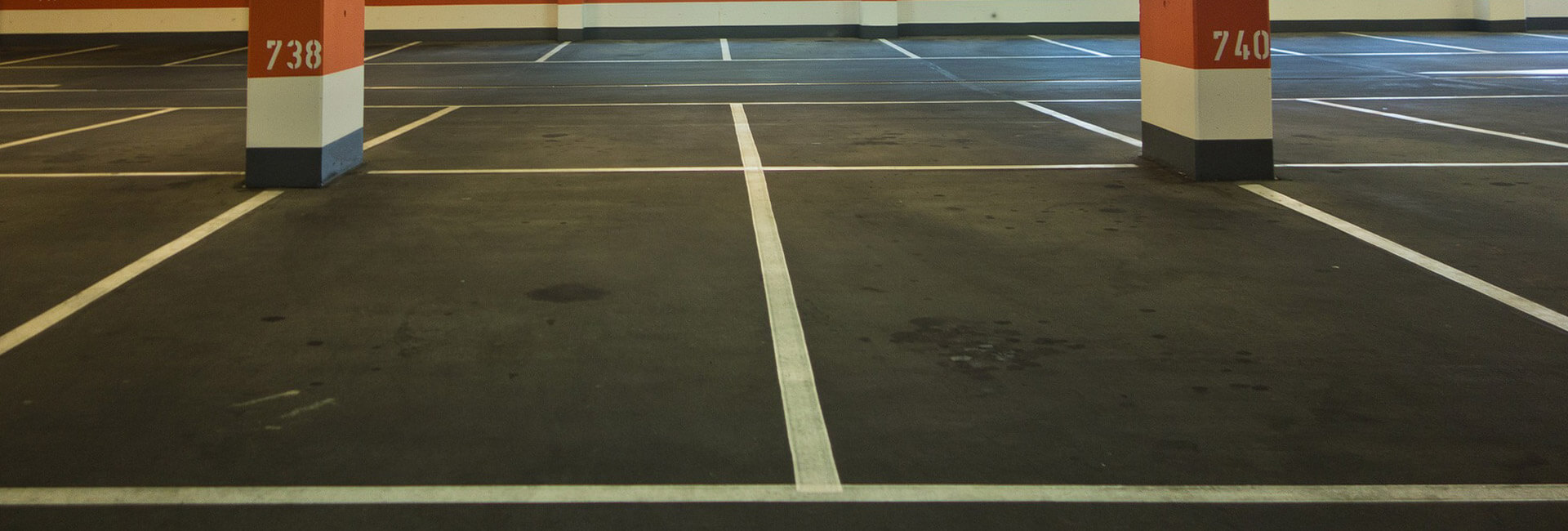
Road Marking Companies: What They Do and How to Choose One
Road markings help people navigate roads, car parks and other paved areas safely. From centre lines and pedestrian crossings to parking bays and cycle lanes, clear markings make spaces easier to understand and use. Road marking companies plan, install and maintain these markings for local authorities, businesses, contractors and property owners.
What services do road marking companies provide?
The services available vary between providers, but many road marking companies work on a range of public and private sites, including roads, car parks, industrial estates, schools and retail premises.
- Road markings: Centre lines, edge lines, junction markings, directional arrows and other traffic guidance.
- Car park markings: Parking bays, accessible parking spaces, loading areas, pedestrian routes and directional markings.
- Specialist markings: Cycle lanes, school markings, bus lanes, play areas and markings for warehouses or industrial sites.
- Line removal and renewal: Removing worn or redundant markings and refreshing existing lines.
- Traffic management: Arrangements to help protect workers and road users while work is under way.
Materials and application methods
Road marking companies may use different materials and application methods depending on the surface, location, expected traffic and project requirements. Options can include paint, thermoplastic and other specialist products. Each has different characteristics in terms of application, visibility, durability and curing time.
A suitable contractor should be able to explain which options may work for a particular site. The right choice depends on factors such as the condition of the surface, exposure to weather, traffic volumes and whether the area needs to reopen quickly.
What to look for when choosing a road marking company
Choosing a contractor involves more than comparing prices. Consider the following before making a decision:
- Relevant experience: Look for experience with projects similar in size and type to yours.
- Clear specifications: Ask for a written description of the proposed markings, materials, preparation work and any exclusions.
- Health and safety: Check how the contractor manages risks, protects its workforce and keeps the public safe during the work.
- Traffic management: For work near live traffic or busy public areas, confirm what traffic management arrangements are required and who will provide them.
- Quality assurance: Ask how the company checks the finished work and handles any issues that arise.
- Insurance and documentation: Request relevant insurance details and any documents needed for your site or project.
- Transparent pricing: Make sure the quotation explains what is included, including surface preparation, line removal, access requirements and disposal.
How a road marking project usually works
A typical project begins with a discussion about the site, the markings required and any access or operational constraints. The contractor may then assess the surface and confirm the layout, materials, programme and safety arrangements.
Before application, the work area may need to be cleaned, measured and prepared. Existing markings may need to be removed or covered. Once the new markings are applied, they need to be protected for the appropriate period while the material sets or dries. The contractor should explain any restrictions on vehicles or pedestrians and when the area can be used again.
Planning for a successful result
Good preparation can help reduce disruption and avoid confusion on site. Provide accurate plans or measurements where available, identify underground services or site hazards, and tell the contractor about operating hours, busy periods and access needs. For car parks and commercial premises, consider how vehicles and pedestrians will move through the area while the work is taking place.
It is also important to consider how the markings will be maintained. Traffic, weather, surface condition and cleaning methods can all affect their lifespan. A maintenance plan can help keep markings legible and support safer movement around the site.
Finding the right contractor
The best road marking company for a project is one that understands the site, communicates clearly and can deliver work to an agreed specification. Compare more than the headline price: review the proposed materials, programme, safety arrangements and aftercare as well. A well-planned installation can make roads and paved areas easier to use, clearer to navigate and safer for everyone.
9 Benefits of Professional Road Marking Companies
- Improve road safety with clear, visible markings.
- Help drivers and pedestrians navigate spaces.
- Create organised car parks and loading areas.
- Provide specialist markings for cycle lanes and schools.
- Use materials suited to different surfaces and traffic levels.
- Plan work to minimise disruption.
- Support safe traffic management during projects.
- Refresh worn or faded markings.
- Offer maintenance and line-removal services.
Drawbacks of Road Marking Companies: Costs, Traffic Disruption, Maintenance and Safety Risks
- Costs can be high for large projects.
- Work may cause temporary traffic disruption.
- Markings can fade and need regular upkeep.
- Poor workmanship may create safety risks.
Improve road safety with clear, visible markings.
Road marking companies help improve road safety by applying clear, visible markings that guide drivers, cyclists and pedestrians. Well-defined lines, crossings, arrows and other road symbols make it easier to understand how to use a road or car park, particularly at junctions and other busy areas. By renewing faded markings and using materials suited to the site, they can help people navigate more confidently and reduce the risk of confusion.
Help drivers and pedestrians navigate spaces.
Road marking companies help drivers and pedestrians navigate spaces by creating clear, easy-to-follow visual guidance. Lines, arrows, crossings and parking bays show where to travel, stop, park or cross, helping people move around roads, car parks and shared areas with greater confidence. Well-planned markings can also reduce confusion and support safer journeys for everyone.
Create organised car parks and loading areas.
Road marking companies help create organised car parks and loading areas by clearly defining parking bays, traffic routes, pedestrian walkways, accessible spaces and loading zones. Well-planned markings make it easier for drivers to find their way, park correctly and move safely around the site, while helping businesses use available space efficiently and reduce confusion during busy periods.
Provide specialist markings for cycle lanes and schools.
Road marking companies can provide specialist markings for cycle lanes and school areas, helping make routes clearer and safer for cyclists, pedestrians and drivers. Clear cycle lane symbols, coloured surfaces, school-zone warnings and crossing markings can guide road users, highlight potential hazards and encourage safer behaviour. By choosing markings suited to the location and its needs, a specialist contractor can help create a more organised environment around busy roads and school entrances.
Use materials suited to different surfaces and traffic levels.
Road marking companies can select materials to suit the surface and the demands of each site. A busy road, a car park and an indoor warehouse may all need different products to achieve clear, durable markings. By considering factors such as traffic levels, weather exposure and the condition of the surface, a contractor can recommend a suitable solution that performs well and helps markings remain visible for longer.
Plan work to minimise disruption.
Road marking companies can plan work around a site’s busiest periods to minimise disruption for road users, businesses and residents. By scheduling work at quieter times, coordinating traffic management and completing tasks efficiently, they help keep access open where possible and reduce delays while improving road safety.
Support safe traffic management during projects.
Road marking companies help support safe traffic management during projects by planning work around the movement of vehicles and pedestrians. They can coordinate temporary signs, barriers, lane closures and diversion routes, helping to guide road users clearly while work is under way. Careful traffic management can reduce confusion, minimise disruption and help protect both the workforce and the public.
Refresh worn or faded markings.
Road marking companies can refresh worn or faded markings, restoring their visibility and helping drivers, cyclists and pedestrians understand how to use the space safely. Reapplying lines, arrows, crossings and parking bays can improve traffic flow and make roads and car parks easier to navigate. Regular renewal also helps sites maintain a clear, professional appearance.
Offer maintenance and line-removal services.
Road marking companies can help keep roads, car parks and other paved areas clear and safe by offering both maintenance and line-removal services. They can refresh faded markings to improve visibility and remove old or redundant lines when layouts change, helping prevent confusion for drivers and pedestrians. Regular upkeep can also extend the useful life of markings and keep sites looking orderly.
Costs can be high for large projects.
One potential drawback of using a road marking company is the cost, particularly for large projects. Marking extensive road networks or car parks can require significant quantities of materials, specialist equipment, skilled staff and traffic management, all of which add to the overall price. Extra work, such as preparing the surface or removing old markings, may increase costs further, so it is sensible to request a detailed quotation and compare proposals before choosing a contractor.
Work may cause temporary traffic disruption.
Road marking work may cause temporary traffic disruption, particularly on busy roads or in car parks that need to remain open. Lane closures, diversions or short delays may be needed to protect workers and road users while markings are applied and allowed to dry. Careful scheduling and clear signage can help minimise inconvenience, but some disruption may still be unavoidable.
Markings can fade and need regular upkeep.
Road markings are exposed to traffic, weather and regular wear, so even a well-installed surface can become less visible over time. Faded lines may make roads, car parks and pedestrian areas harder to navigate, which is why periodic inspections and maintenance are important. The frequency of upkeep depends on factors such as traffic levels, the marking material and the condition of the surface.
Poor workmanship may create safety risks.
Poor workmanship by road marking companies can create serious safety risks. Lines that are misplaced, unclear or quick to fade may confuse drivers, cyclists and pedestrians, making it harder to judge lanes, crossings and parking areas. Inadequate surface preparation or unsuitable materials can also cause markings to wear prematurely, reducing visibility and increasing the risk of accidents. Choosing an experienced contractor and checking the finished work can help ensure markings are clear, durable and fit for purpose.