
Navigating Road Closures in My Area: A Guide to Planning Your Route
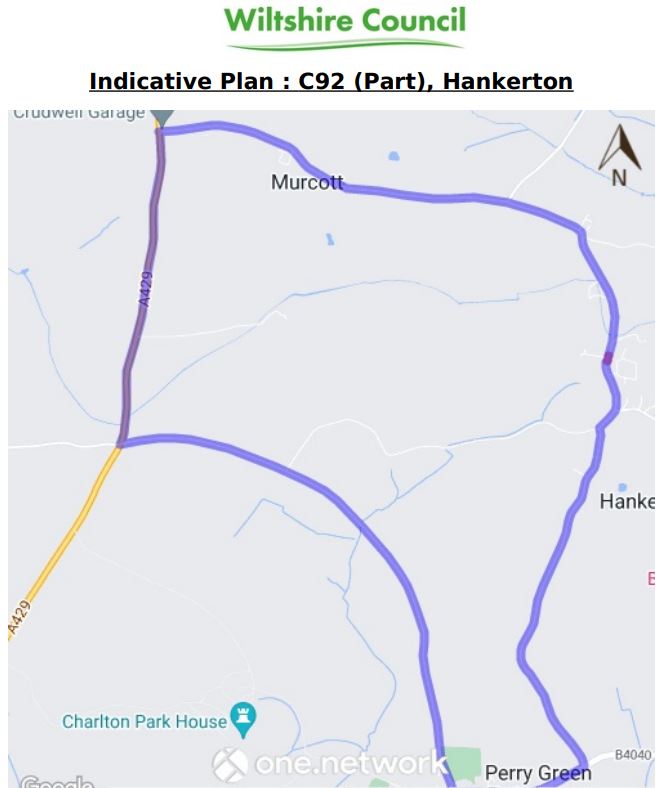
Road Closures in Your Area: What You Need to Know
Living in a bustling urban area often means dealing with road closures due to various reasons such as construction, events, maintenance, or emergencies. These closures can impact your daily commute and travel plans, so it’s essential to stay informed and plan ahead.
Types of Road Closures
Road closures can be planned or unplanned. Planned closures are typically scheduled in advance for events like marathons, parades, or construction projects. Unplanned closures may occur due to accidents, severe weather conditions, or other unforeseen circumstances.
How to Stay Informed
Local authorities often provide information about road closures through various channels such as:
- Official websites: Check the website of your local council or transportation department for updates on road closures in your area.
- Social media: Follow official social media accounts for real-time updates on road closures and alternative routes.
- Mobile apps: Some apps provide live traffic updates and notifications about road closures near you.
- Traffic news: Tune in to local radio stations or check online traffic news portals for the latest information on road closures.
Planning Your Route
When road closures are in place, it’s important to plan your route carefully to avoid delays and congestion. Consider the following tips:
- Check for updates before you leave home to ensure you are aware of any new closures that may affect your journey.
- Use GPS navigation systems that offer real-time traffic information and suggest alternative routes to bypass closed roads.
- If possible, consider using public transport or carpooling during periods of extensive road closures to reduce traffic congestion.
- Pack essentials such as water, snacks, and entertainment for longer-than-expected journeys caused by detours due to road closures.
By staying informed and planning ahead, you can navigate road closures in your area with ease and minimise disruptions to your daily routine. Remember to follow official guidance and signage when encountering closed roads for your safety and the safety of others on the road.
Essential FAQs on Navigating Road Closures in Your Area
- How can I find out about upcoming road closures in my area?
- What are the common reasons for road closures in residential areas?
- Are there any mobile apps that provide real-time updates on road closures?
- How long do planned road closures typically last?
- What should I do if I encounter a closed road while driving?
- Can I request special access through a closed road for emergency situations?
- Are there alternative routes available during major road closures?
- How can I report an unplanned or hazardous road closure in my area?
- What precautions should pedestrians take during periods of extensive road closures?
How can I find out about upcoming road closures in my area?
To find out about upcoming road closures in your area, there are several reliable sources you can turn to for information. Firstly, check the official website of your local council or transportation department, as they often post updates on planned road closures. Additionally, following official social media accounts and relevant mobile apps can provide real-time notifications about road closures and alternative routes. Tuning in to local radio stations or visiting online traffic news portals can also keep you informed about any upcoming road closures that may affect your daily commute. By utilising these resources, you can stay ahead of road closures in your area and plan your journeys accordingly.
What are the common reasons for road closures in residential areas?
Road closures in residential areas can occur for various reasons, often aimed at improving safety, infrastructure, or the overall quality of life for residents. Common reasons for road closures in residential areas include ongoing construction or maintenance work to repair roads, install utilities, or upgrade infrastructure. Events such as street fairs, festivals, or community gatherings may also lead to temporary road closures to accommodate the activities and ensure the safety of participants. Additionally, road closures can be implemented for traffic management purposes during peak hours to reduce congestion and enhance pedestrian safety in busy residential neighbourhoods. It is essential for residents to stay informed about these closures through official channels to plan their routes accordingly and minimise any inconvenience caused by the temporary restrictions.
Are there any mobile apps that provide real-time updates on road closures?
For those seeking real-time updates on road closures in their area, mobile apps offer a convenient solution. Several apps are available that provide timely information on road closures, allowing users to plan their routes accordingly and avoid potential delays. By downloading these apps, individuals can stay informed about any ongoing closures due to construction, accidents, or events, ensuring a smoother and more efficient journey on the road.
How long do planned road closures typically last?
Planned road closures in your area can vary in duration depending on the nature of the closure and the scope of the work being carried out. Typically, planned road closures for events like marathons or parades may last a few hours to a full day, while closures for construction projects could span several days or even weeks. Local authorities and event organisers usually provide specific information regarding the duration of planned road closures to help residents and commuters plan their journeys accordingly. It is advisable to check official sources for accurate and up-to-date details on the expected duration of road closures in your area.
What should I do if I encounter a closed road while driving?
When encountering a closed road while driving in your area, it is important to remain calm and follow the designated detour signs or alternative routes provided. Avoid attempting to bypass the closure by driving through barriers or cones, as this can be dangerous and illegal. Turn on your indicators early to signal to other drivers that you are changing direction due to the road closure. Pay attention to traffic updates on local radio stations or navigation apps for real-time information on alternative routes. By following official guidance and being patient, you can safely navigate around closed roads and reach your destination without unnecessary delays or risks.
Can I request special access through a closed road for emergency situations?
In cases of emergency situations requiring special access through a closed road, it is crucial to prioritise safety and follow proper procedures. While road closures are implemented to protect the public and facilitate necessary work or events, exceptions can be made for emergencies. If you find yourself in a situation where you urgently need access through a closed road, it is advisable to contact the local authorities or emergency services immediately. They will assess the situation and provide guidance on the appropriate steps to take to ensure safe passage through the closed area. Cooperation with authorities is essential to prevent any potential risks and ensure a swift response to emergency situations.
Are there alternative routes available during major road closures?
During major road closures in your area, alternative routes are often available to help you navigate around the affected areas. Local authorities typically plan and designate detour routes to redirect traffic and minimise disruptions caused by the closure. These alternative routes may vary depending on the nature of the closure and can include secondary roads, diversions through residential areas, or temporary bypass routes. It is advisable to follow official signage and guidance provided by authorities when seeking alternative routes during major road closures to ensure a smooth and efficient journey.
How can I report an unplanned or hazardous road closure in my area?
If you encounter an unplanned or hazardous road closure in your area, it is essential to report it promptly to the local authorities for swift action. To report such closures, you can contact your local council’s transportation department or emergency services. Provide detailed information about the location of the closure, the reason for it, and any potential hazards it poses to road users. Reporting unplanned or hazardous road closures ensures that appropriate measures are taken to address the issue promptly and restore safe travel conditions for everyone in the community.
What precautions should pedestrians take during periods of extensive road closures?
During periods of extensive road closures, pedestrians should take extra precautions to ensure their safety. It is essential for pedestrians to follow designated pedestrian routes and crosswalks, avoiding walking in the middle of the road or crossing at undesignated locations. Pay close attention to signage and instructions from traffic marshals to navigate safely around closed roads. Stay alert and be aware of your surroundings, especially when walking near construction zones or detour routes. It is advisable to wear bright or reflective clothing, especially in low-light conditions, to enhance visibility to drivers. By being cautious, observant, and following safety guidelines, pedestrians can navigate road closures in their area securely.