
Understanding the Puffin Crossing Theory Test in the UK
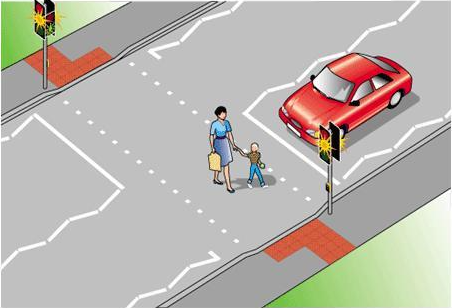
The Theory Behind Puffin Crossings
Puffin crossings are a type of pedestrian crossing commonly found in the United Kingdom. Unlike traditional pedestrian crossings, puffin crossings are equipped with sensors and technology that make them safer and more efficient for both pedestrians and motorists.
How Puffin Crossings Work
Unlike other types of pedestrian crossings, puffin crossings do not have a flashing amber light phase. Instead, they use sensors to detect when pedestrians are crossing the road. This allows the crossing to remain red for vehicles until all pedestrians have safely crossed.
The Theory Test
When learning to drive in the UK, aspiring drivers are required to pass a theory test that includes questions about various types of pedestrian crossings, including puffin crossings. Understanding the theory behind puffin crossings is crucial for drivers to ensure they can navigate these crossings safely and responsibly.
Key Points to Remember
- Drivers must be aware that puffin crossings do not have a flashing amber phase like other pedestrian crossings.
- Puffin crossings use sensors to detect pedestrians, so drivers should be prepared for the lights to change based on pedestrian activity.
- It is important for drivers to always stop at a red light at a puffin crossing, even if there are no pedestrians visible at that moment.
- Drivers should be patient and allow pedestrians enough time to cross safely before proceeding through the crossing.
By understanding the theory behind puffin crossings and practising safe driving habits around these crossings, drivers can contribute to road safety and ensure a smooth experience for both pedestrians and motorists.
Essential Tips for Navigating Puffin Crossings: A Guide to Safe and Considerate Driving
- Always be prepared to stop at a puffin crossing if the lights change to red.
- Remember that pedestrians have priority at a puffin crossing.
- Be aware that the pedestrian sensors may cause the lights to change even if nobody is crossing.
- Look out for the green man signal indicating it is safe for pedestrians to cross.
- Keep an eye out for cyclists who may also use the puffin crossing.
- Avoid overtaking near a puffin crossing as this can endanger pedestrians waiting to cross.
- Stay patient and allow enough time for all pedestrians, including slower ones, to safely cross the road.
- Always be alert and ready to react in case of any sudden changes or emergencies at a puffin crossing.
Always be prepared to stop at a puffin crossing if the lights change to red.
It is essential for drivers to always be prepared to stop at a puffin crossing if the lights change to red. Puffin crossings use sensors to detect pedestrians, so the lights may switch suddenly based on pedestrian activity. By being vigilant and ready to stop when the lights turn red, drivers can ensure the safety of pedestrians crossing the road and adhere to traffic regulations. This proactive approach helps maintain a smooth flow of traffic and promotes road safety for all road users.
Remember that pedestrians have priority at a puffin crossing.
It is important to remember that pedestrians have priority at a puffin crossing. As a driver, you must always be prepared to stop and give way to pedestrians who are crossing the road at a puffin crossing. Respecting pedestrians’ right of way not only ensures their safety but also promotes a harmonious and efficient flow of traffic at these crossings. By understanding and adhering to this rule, drivers can contribute to creating a safer environment for all road users.
Be aware that the pedestrian sensors may cause the lights to change even if nobody is crossing.
It is important for drivers to be aware that at puffin crossings, the pedestrian sensors may cause the lights to change even if there are no pedestrians crossing at that moment. This means that drivers should remain attentive and ready to stop when approaching a puffin crossing, as the lights may change based on the detection of pedestrians, ensuring safety for all road users.
Look out for the green man signal indicating it is safe for pedestrians to cross.
When approaching a puffin crossing, it is essential for drivers to look out for the green man signal, which indicates that it is safe for pedestrians to cross the road. This signal serves as a crucial indicator for drivers to stop and allow pedestrians to cross without any risk. By being vigilant and adhering to the green man signal at puffin crossings, drivers can play their part in ensuring the safety and well-being of pedestrians on the road.
Keep an eye out for cyclists who may also use the puffin crossing.
When approaching a puffin crossing, it is important to keep an eye out for cyclists who may also use the crossing. Cyclists have the right to use puffin crossings just like pedestrians, so drivers should be vigilant and watch for cyclists approaching the crossing. Being aware of cyclists can help ensure their safety and prevent any potential accidents at the crossing.
Avoid overtaking near a puffin crossing as this can endanger pedestrians waiting to cross.
It is crucial to avoid overtaking near a puffin crossing as this behaviour can pose a serious risk to pedestrians waiting to cross the road. Overtaking near a puffin crossing can lead to reduced visibility for both drivers and pedestrians, increasing the likelihood of accidents and endangering the safety of those using the crossing. By maintaining a safe distance and refraining from overtaking near puffin crossings, drivers can help create a safer environment for pedestrians and ensure that everyone can cross the road securely.
Stay patient and allow enough time for all pedestrians, including slower ones, to safely cross the road.
It is essential for drivers approaching a puffin crossing to stay patient and allow ample time for all pedestrians, including those who may be crossing at a slower pace, to safely navigate the road. By demonstrating patience and giving pedestrians the necessary time to cross, drivers can contribute to a safer and more respectful environment for all road users. This simple act of consideration can make a significant difference in promoting road safety and fostering positive interactions between pedestrians and motorists at puffin crossings.
Always be alert and ready to react in case of any sudden changes or emergencies at a puffin crossing.
It is essential for drivers to always be alert and prepared to react swiftly in the event of any unexpected changes or emergencies at a puffin crossing. Being vigilant and attentive while approaching and driving through a puffin crossing can help drivers respond effectively to sudden pedestrian movements or other unforeseen situations, ensuring the safety of all road users. Staying focused and ready to adapt to changing circumstances is key to navigating puffin crossings responsibly and safely.