
Enhancing Road Safety with Pedestrian Crossing Lights
The Importance of Pedestrian Crossing Lights
Pedestrian crossing lights play a crucial role in ensuring the safety of pedestrians at road crossings. These lights, also known as pedestrian traffic signals or pedestrian crossing signals, are designed to alert both pedestrians and drivers when it is safe for pedestrians to cross the road.
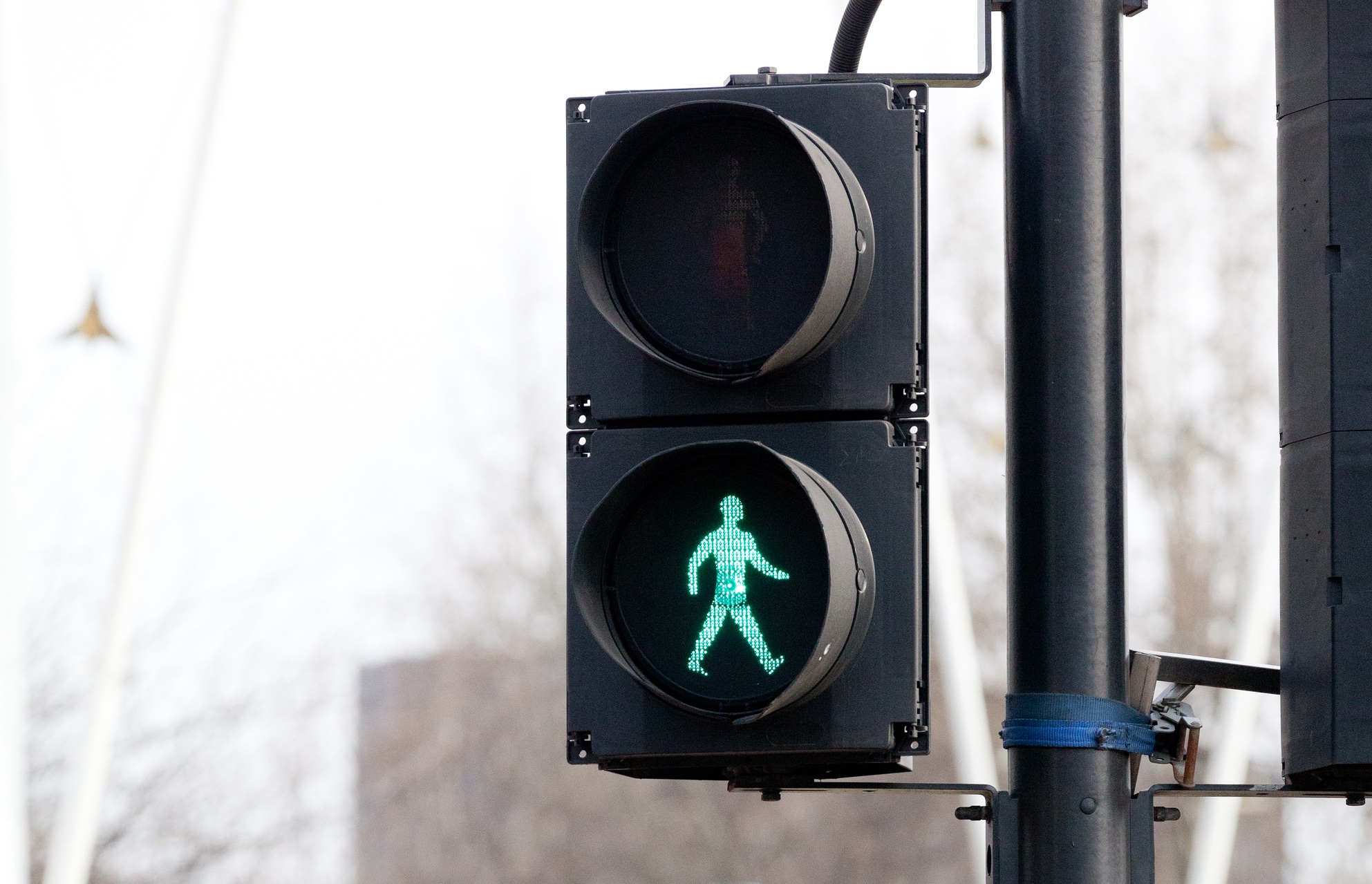
One of the key benefits of pedestrian crossing lights is that they provide clear visual cues to pedestrians, indicating when it is their turn to cross the road. This helps to prevent accidents and ensures that pedestrians can safely navigate busy intersections.
For drivers, pedestrian crossing lights serve as a warning to stop and give way to pedestrians. By obeying these signals, drivers can help reduce the risk of collisions and create a safer environment for all road users.
In addition to enhancing safety, pedestrian crossing lights also promote inclusivity by making road crossings more accessible to individuals with disabilities or mobility challenges. Audible signals and tactile indicators are often incorporated into these lights to assist visually impaired pedestrians in crossing the road safely.
It is important for local authorities and transportation agencies to ensure that pedestrian crossing lights are installed at strategic locations where pedestrian traffic is high. Regular maintenance and inspections are also essential to ensure that these lights function properly and continue to serve their intended purpose.
In conclusion, pedestrian crossing lights play a vital role in promoting road safety and facilitating the smooth flow of both vehicular and pedestrian traffic. By adhering to these signals and respecting the right of way, we can create a safer and more inclusive environment for everyone on the roads.
Understanding Pedestrian Crossing Lights: Key FAQs and Guidelines in the UK
- What do the lights on a pedestrian crossing mean?
- Can pedestrians cross on a red light in the UK?
- What is a pedestrian crossing light called?
- What is the crosswalk light called?
- What is the lux level for a pedestrian crossing?
- What is a pedestrian crossing with lights called?
- What are the lighting requirements for pedestrian crossing?
What do the lights on a pedestrian crossing mean?
When approaching a pedestrian crossing, it is important to understand the meaning of the lights to ensure the safety of both pedestrians and drivers. The lights on a pedestrian crossing typically consist of a green man, indicating that it is safe for pedestrians to cross, and a red man, signalling that pedestrians should wait. When the green man is illuminated, pedestrians can begin crossing the road while being cautious of oncoming traffic. Conversely, when the red man is displayed, pedestrians must remain on the pavement until the signal changes to green. It is crucial for all road users to respect and obey these signals to prevent accidents and promote safe interactions at pedestrian crossings.
Can pedestrians cross on a red light in the UK?
In the UK, pedestrians are generally not permitted to cross the road when the pedestrian crossing light is showing a red signal. The red light indicates that it is not safe for pedestrians to cross, as it is typically the signal for vehicular traffic to proceed. Pedestrians should wait for the green pedestrian signal or green man symbol to appear before crossing the road. It is important for pedestrians to obey traffic signals and only cross the road when it is safe to do so, following the designated pedestrian crossing rules to ensure their safety and that of others on the road.
What is a pedestrian crossing light called?
A pedestrian crossing light is commonly referred to as a pedestrian traffic signal or pedestrian crossing signal. This essential road safety device is designed to indicate to pedestrians when it is safe to cross the road and alert drivers to stop and give way. By providing clear visual cues and audible signals, pedestrian crossing lights help ensure the safe and efficient movement of pedestrians at road crossings, contributing to overall road safety for both pedestrians and drivers alike.
What is the crosswalk light called?
The crosswalk light is commonly referred to as a pedestrian crossing light or pedestrian traffic signal. This essential traffic control device is specifically designed to indicate to pedestrians when it is safe to cross the road at designated crosswalks. By obeying the signals displayed on these lights, pedestrians can navigate road crossings safely and efficiently, while drivers are alerted to yield the right of way to pedestrians. The use of pedestrian crossing lights helps enhance road safety and promote orderly traffic flow at intersections, contributing to a safer environment for all road users.
What is the lux level for a pedestrian crossing?
The lux level for a pedestrian crossing refers to the measurement of illuminance or brightness required at the crossing to ensure visibility and safety for pedestrians. The recommended lux level for a pedestrian crossing typically falls within a range of 20 to 50 lux, depending on factors such as the surrounding ambient light conditions and the speed limit of the road. Adequate lighting at the specified lux level helps improve visibility for both pedestrians and drivers, reducing the risk of accidents and enhancing overall road safety at pedestrian crossings.
What is a pedestrian crossing with lights called?
A pedestrian crossing with lights is commonly referred to as a “pelican crossing” in the UK. Pelican crossings are equipped with traffic lights that control the flow of vehicles and pedestrians at designated crossing points. These crossings feature signal-controlled lights that indicate when it is safe for pedestrians to cross the road, providing a clear and organised way for both pedestrians and drivers to navigate busy intersections. The term “pelican” stands for Pedestrian Light Controlled Crossing, highlighting the key feature of these crossings being controlled by traffic lights for enhanced safety and efficiency.
What are the lighting requirements for pedestrian crossing?
When it comes to pedestrian crossings, the lighting requirements are essential to ensure the safety of pedestrians and motorists alike. The lighting at pedestrian crossings must be bright and clearly visible, especially during hours of low visibility such as dusk or night-time. Adequate illumination helps pedestrians to see the crossing clearly and alerts drivers to the presence of pedestrians waiting to cross. Additionally, the lighting should be uniform and free from glare to prevent any confusion or discomfort for road users. Meeting these lighting requirements is crucial in creating a safe and well-functioning pedestrian crossing that effectively manages the flow of traffic and prioritises pedestrian safety.