
Navigating Cycle Lanes Safely: A Guide to the Highway Code
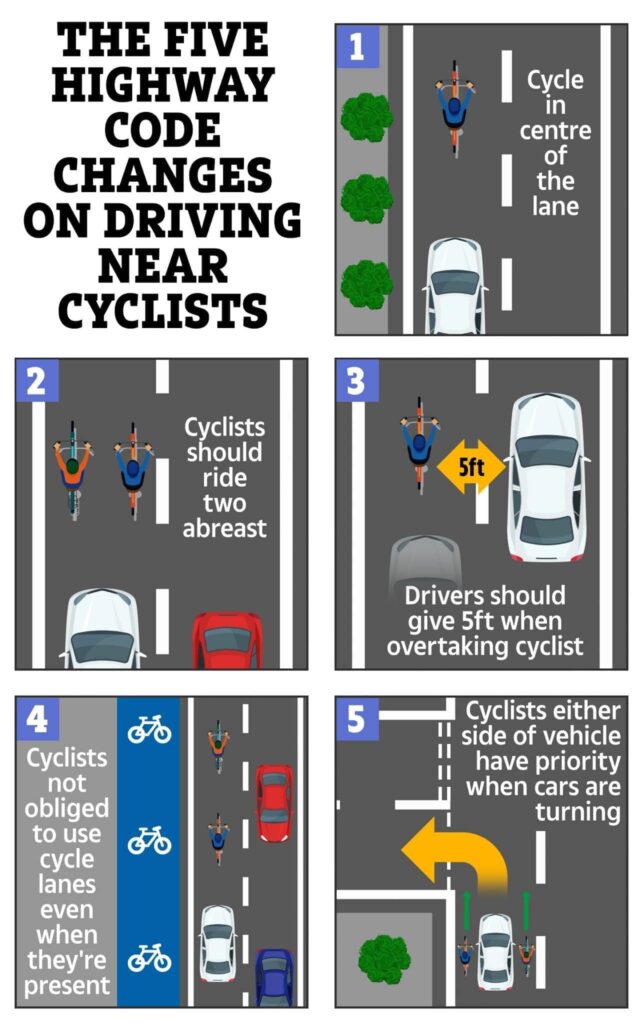
The Importance of Understanding the Highway Code’s Guidelines on Cycle Lanes
Cycling is becoming an increasingly popular mode of transport for many people, whether it’s for commuting, exercise, or leisure. To ensure the safety of cyclists and other road users, it is essential to understand and follow the guidelines set out in the Highway Code regarding cycle lanes.
What are Cycle Lanes?
Cycle lanes are designated sections of the road that are specifically marked for cyclists. They can vary in width and design but are intended to provide a safer space for cyclists to ride away from motor vehicles. The Highway Code provides specific rules and advice for both cyclists and other road users when it comes to interacting with cycle lanes.
Key Guidelines from the Highway Code
Here are some important guidelines regarding cycle lanes as outlined in the Highway Code:
- Cyclists should use cycle lanes when they are available and suitable for their journey.
- Motorists should not drive or park in a cycle lane marked by a solid white line unless it is unavoidable.
- Cyclists should keep to the left side of the lane unless overtaking or avoiding obstacles.
- Motorists should give way to cyclists when crossing a cycle lane or turning into or out of side roads.
- Cyclists should be aware of pedestrians crossing cycle lanes and give way if necessary.
- Both cyclists and motorists should be considerate and patient with each other to ensure safe interactions on the road.
Benefits of Following Cycle Lane Guidelines
By adhering to the guidelines set out in the Highway Code regarding cycle lanes, both cyclists and motorists can contribute to safer roads for everyone. Clear communication, mutual respect, and understanding of each other’s rights and responsibilities can help prevent accidents and conflicts on the road.
Whether you are a cyclist or a motorist, taking the time to familiarise yourself with the rules surrounding cycle lanes can make your journey smoother, more efficient, and above all, safer for all road users.
Eight Benefits of Highway Code Cycle Lanes: Enhancing Safety, Encouraging Cycling, and Promoting Sustainable Travel
- Enhance cyclist safety by providing a designated space away from motor vehicles.
- Encourage more people to cycle by creating a safer environment on the road.
- Reduce conflicts between cyclists and motorists through clear lane demarcation.
- Improve traffic flow by separating cyclists from other vehicles, reducing congestion.
- Increase visibility of cyclists to motorists, reducing the risk of accidents.
- Promote sustainable transportation options and reduce carbon emissions.
- Help create a more inclusive road environment for cyclists of all ages and abilities.
- Contribute to better public health outcomes by encouraging active travel.
Challenges and Risks of Cycle Lanes: Maintenance, Motorist Encroachment, and Navigational Hazards
- Some cycle lanes may not be well-maintained, leading to hazards such as potholes or debris that can endanger cyclists.
- Motorists may sometimes ignore or encroach upon cycle lanes, posing a risk to cyclists’ safety.
- Cyclists may face challenges when navigating cycle lanes that abruptly end or merge with traffic without clear guidance.
Enhance cyclist safety by providing a designated space away from motor vehicles.
Cycle lanes, as outlined in the Highway Code, play a crucial role in enhancing cyclist safety by offering a designated space away from motor vehicles. By providing cyclists with a separate area on the road, cycle lanes help reduce the risk of collisions and accidents between cyclists and motor vehicles. This designated space not only increases the visibility of cyclists to other road users but also gives cyclists a sense of security and confidence while riding. Ultimately, cycle lanes contribute significantly to creating a safer environment for cyclists, encouraging more people to choose cycling as a sustainable and healthy mode of transport.
Encourage more people to cycle by creating a safer environment on the road.
By promoting the use of cycle lanes in accordance with the Highway Code guidelines, we can create a safer environment on the road that encourages more people to take up cycling. Providing designated spaces for cyclists not only enhances their safety by separating them from motor vehicles but also instils confidence in both new and experienced cyclists to choose cycling as a mode of transport. This proactive approach to road safety helps to increase the appeal of cycling as a sustainable and healthy transportation option, ultimately contributing to a greener and more active community.
Reduce conflicts between cyclists and motorists through clear lane demarcation.
By clearly demarcating cycle lanes according to the guidelines set out in the Highway Code, conflicts between cyclists and motorists can be significantly reduced. The designated lanes provide a clear separation between cyclists and motor vehicles, enhancing safety for both parties and minimising the chances of misunderstandings or dangerous interactions on the road. This proactive measure promotes harmonious coexistence and mutual respect between cyclists and motorists, ultimately contributing to a smoother and safer traffic flow for all road users.
Improve traffic flow by separating cyclists from other vehicles, reducing congestion.
By segregating cyclists from other vehicles, cycle lanes as outlined in the Highway Code play a vital role in enhancing traffic flow and alleviating congestion on roads. This separation not only provides a dedicated space for cyclists to travel safely but also prevents conflicts between cyclists and motor vehicles, ultimately leading to smoother traffic movement. As cyclists have their designated lanes, they can ride without impeding the flow of motorised traffic, contributing to a more efficient and streamlined transportation system.
Increase visibility of cyclists to motorists, reducing the risk of accidents.
One significant advantage of highway code cycle lanes is their ability to enhance the visibility of cyclists to motorists, thereby decreasing the likelihood of accidents. By providing a designated space for cyclists separate from motor vehicle traffic, cycle lanes help draw attention to cyclists and make their presence on the road more noticeable to drivers. This increased visibility not only improves safety for cyclists but also allows motorists to anticipate and react to their presence more effectively, ultimately reducing the risk of collisions and promoting a safer road environment for all road users.
Promote sustainable transportation options and reduce carbon emissions.
Cycle lanes as outlined in the Highway Code play a crucial role in promoting sustainable transportation options and reducing carbon emissions. By providing a safe and designated space for cyclists to travel, cycle lanes encourage more people to choose cycling as a mode of transport, thereby decreasing reliance on motor vehicles. This shift towards cycling not only helps reduce traffic congestion but also contributes to lowering carbon emissions and improving air quality, making our cities greener and more environmentally friendly. Embracing and adhering to the guidelines for cycle lanes can have a positive impact on our environment by encouraging eco-friendly travel choices.
Help create a more inclusive road environment for cyclists of all ages and abilities.
By providing designated spaces for cyclists of all ages and abilities, highway code cycle lanes help create a more inclusive road environment. These lanes offer a safer and more accessible route for cyclists, encouraging people of varying skill levels and ages to confidently use their bicycles as a mode of transport. By promoting inclusivity on the roads, cycle lanes contribute to a more diverse and active cycling community, ultimately fostering a culture of respect and consideration among all road users.
Contribute to better public health outcomes by encouraging active travel.
Cycle lanes as outlined in the Highway Code play a crucial role in promoting better public health outcomes by encouraging active travel. By providing designated spaces for cyclists to ride safely away from motor vehicles, cycle lanes make cycling a more attractive and accessible option for commuting, exercise, and leisure. This not only helps reduce traffic congestion and emissions but also promotes physical activity, leading to improved fitness levels and overall well-being among individuals who choose to cycle. Embracing active travel through the use of cycle lanes can have a positive impact on public health by encouraging healthier lifestyles and contributing to a more sustainable and environmentally friendly transportation system.
Some cycle lanes may not be well-maintained, leading to hazards such as potholes or debris that can endanger cyclists.
Some cycle lanes may not be well-maintained, posing a significant con for cyclists. Inadequate maintenance can result in hazards like potholes or debris that present dangers to cyclists using the lanes. These obstacles not only compromise the safety of cyclists but also hinder the overall cycling experience and may lead to accidents or injuries. It is crucial for authorities to address and rectify such maintenance issues promptly to ensure the safety and smooth operation of cycle lanes for all users.
Motorists may sometimes ignore or encroach upon cycle lanes, posing a risk to cyclists’ safety.
Motorists occasionally disregarding or intruding into cycle lanes can pose a significant hazard to the safety of cyclists. When drivers fail to respect the designated space for cyclists, it increases the likelihood of accidents and collisions on the road. This behaviour not only undermines the purpose of cycle lanes in providing a safer environment for cyclists but also creates a sense of vulnerability and uncertainty for those riding bicycles. It is crucial for motorists to be mindful and considerate of cycle lanes, allowing cyclists to use these designated areas without fear of interference or danger.
Cyclists may face challenges when navigating cycle lanes that abruptly end or merge with traffic without clear guidance.
Cyclists may encounter difficulties when navigating cycle lanes that abruptly terminate or merge with traffic without clear guidance. This can pose a safety risk as cyclists may need to quickly adjust their position on the road, potentially leading to confusion for both cyclists and motorists. Without proper signage or markings to indicate the transition from a cycle lane to shared road space, cyclists may feel vulnerable and unsure about how to proceed, increasing the likelihood of accidents or conflicts with other road users. Clarity and consistency in designating cycle lanes are crucial to ensure a smooth and safe cycling experience for all.