
Understanding the Importance of Hazard Lines on the Road in the UK
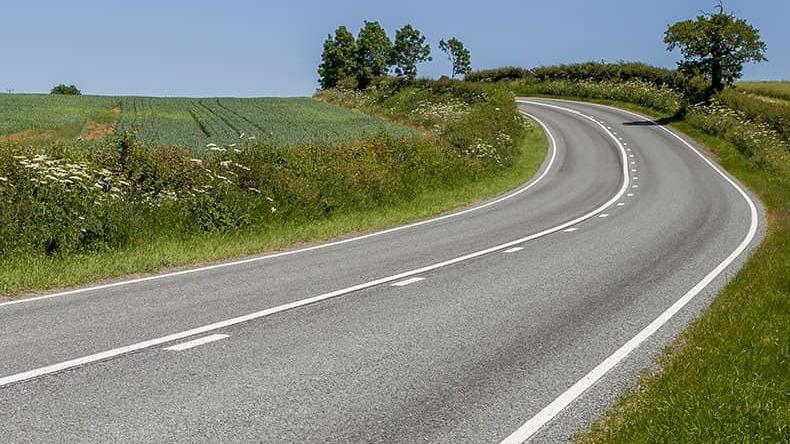
The Importance of Hazard Lines on Roads
When you’re driving down the road, hazard lines play a crucial role in keeping you and other road users safe. These distinctive markings, usually painted in bright colours like yellow or red, serve as visual cues that warn drivers of potential dangers and hazards ahead.
Enhancing Visibility
Hazard lines are designed to enhance visibility and draw attention to specific areas that require extra caution. Whether it’s a sharp bend, a pedestrian crossing, a railway crossing, or a construction zone, hazard lines help drivers quickly identify potential risks and adjust their speed or manoeuvres accordingly.
Promoting Safety
By clearly marking hazardous areas on the road, hazard lines play a key role in promoting safety for all road users. They help prevent accidents by alerting drivers to upcoming dangers and encouraging them to exercise greater care and attention while navigating through challenging sections of the road.
Guiding Traffic Flow
In addition to highlighting hazards, hazard lines also help guide the flow of traffic. By delineating lanes, indicating merging points, or signalling changes in road conditions, these markings assist drivers in making informed decisions that contribute to smoother traffic movement and reduce the risk of collisions.
Compliance with Regulations
Furthermore, hazard lines are an essential component of road infrastructure that ensures compliance with traffic regulations and standards. Road authorities use these markings to communicate important information to motorists and enforce rules that are crucial for maintaining order and safety on our roads.
Conclusion
In conclusion, hazard lines are indispensable tools for enhancing road safety and efficiency. By serving as visual warnings, promoting safe driving practices, guiding traffic flow, and ensuring regulatory compliance, these markings play a vital role in creating a secure environment for all road users. So next time you see hazard lines on the road, remember their significance in keeping you safe on your journey.
9 Essential Tips for Navigating Hazard Lines on the Road Safely
- Hazard lines are used to warn drivers of potential dangers ahead.
- Always pay attention to hazard lines on the road as they indicate areas where extra caution is needed.
- Hazard lines are usually painted in bright colours like yellow or red for better visibility.
- Do not ignore hazard lines, as they can signal sharp turns, pedestrian crossings, or other hazards.
- Maintain a safe distance from vehicles in front when approaching hazard lines.
- Reduce your speed when driving over hazard lines to ensure better control of your vehicle.
- Avoid sudden lane changes or overtaking near hazard lines to prevent accidents.
- Be prepared to stop if necessary when you see hazard lines on the road.
- Remember that hazard lines are there for your safety and the safety of others on the road.
Hazard lines are used to warn drivers of potential dangers ahead.
Hazard lines on roads serve a critical purpose in alerting drivers to potential dangers that lie ahead. These distinctive markings, often painted in bright colours like yellow or red, act as visual warnings that prompt drivers to exercise caution and adjust their driving behaviour accordingly. By highlighting hazardous areas such as sharp bends, pedestrian crossings, or construction zones, hazard lines play a crucial role in enhancing road safety and helping motorists navigate challenging road conditions with greater awareness and preparedness.
Always pay attention to hazard lines on the road as they indicate areas where extra caution is needed.
It is crucial to always pay close attention to hazard lines on the road, as they serve as important indicators of areas where extra caution is required. These distinctive markings are designed to alert drivers to potential hazards ahead, prompting them to adjust their speed and driving behaviour accordingly. By staying vigilant and heeding the warnings provided by hazard lines, motorists can enhance their safety on the road and reduce the risk of accidents.
Hazard lines are usually painted in bright colours like yellow or red for better visibility.
Hazard lines on roads are typically painted in bright colours such as yellow or red to ensure optimal visibility for drivers. By using these vivid hues, road authorities aim to make the hazard lines easily noticeable, even from a distance, thereby effectively alerting motorists to potential dangers ahead. The choice of vibrant colours like yellow or red enhances the contrast with the road surface, making the hazard lines stand out and serve their crucial function of guiding drivers’ attention to hazardous areas on the road.
Do not ignore hazard lines, as they can signal sharp turns, pedestrian crossings, or other hazards.
It is crucial not to overlook hazard lines on the road, as they serve as important indicators of potential dangers such as sharp turns, pedestrian crossings, or other hazards. Ignoring these markings can increase the risk of accidents and compromise road safety for both drivers and pedestrians. Paying attention to hazard lines and responding appropriately by adjusting speed and being vigilant can help prevent unexpected incidents and ensure a smoother and safer journey for everyone on the road.
Maintain a safe distance from vehicles in front when approaching hazard lines.
When approaching hazard lines on the road, it is essential to maintain a safe distance from vehicles in front. By keeping a sufficient gap between your vehicle and the one ahead, you allow yourself more time to react to any unexpected hazards indicated by the road markings. This precaution not only enhances your own safety but also reduces the risk of rear-end collisions and ensures smoother traffic flow for all road users. Remember, maintaining a safe following distance is a simple yet effective way to stay vigilant and prepared while navigating through potentially dangerous areas marked by hazard lines.
Reduce your speed when driving over hazard lines to ensure better control of your vehicle.
To enhance safety on the road, it is advisable to reduce your speed when driving over hazard lines. By slowing down, you can maintain better control of your vehicle and react more effectively to any potential hazards ahead. This proactive approach not only increases your own safety but also contributes to a smoother and more controlled driving experience for all road users. Remember, taking precautions such as adjusting your speed when encountering hazard lines can make a significant difference in preventing accidents and promoting responsible driving behaviour.
Avoid sudden lane changes or overtaking near hazard lines to prevent accidents.
To minimise the risk of accidents on the road, it is advisable to avoid making sudden lane changes or attempting overtaking manoeuvres near hazard lines. These distinctive markings serve as warnings for potential dangers ahead, and sudden movements close to them can increase the likelihood of collisions or loss of control. By maintaining a steady speed and staying alert around hazard lines, drivers can contribute to safer road conditions for themselves and other road users.
Be prepared to stop if necessary when you see hazard lines on the road.
When encountering hazard lines on the road, it is essential to be prepared to stop if necessary. Hazard lines serve as visual indicators of potential dangers ahead, signalling the need for increased caution and alertness from drivers. By being ready to come to a stop when approaching hazard lines, motorists can proactively respond to any hazards or obstacles that may require them to adjust their speed or make sudden manoeuvres, ultimately contributing to safer road conditions for all road users.
Remember that hazard lines are there for your safety and the safety of others on the road.
It is important to remember that hazard lines on the road are there for your safety and the safety of others sharing the road with you. These markings serve as visual cues to alert drivers of potential dangers ahead, prompting them to exercise caution and adjust their driving behaviour accordingly. By respecting and heeding hazard lines, you contribute to creating a safer environment for everyone on the road, reducing the risk of accidents and promoting responsible driving practices.