
Arrow Road Markings: What They Mean and How to Follow Them
Arrow Road Markings: What They Mean and Why They Matter
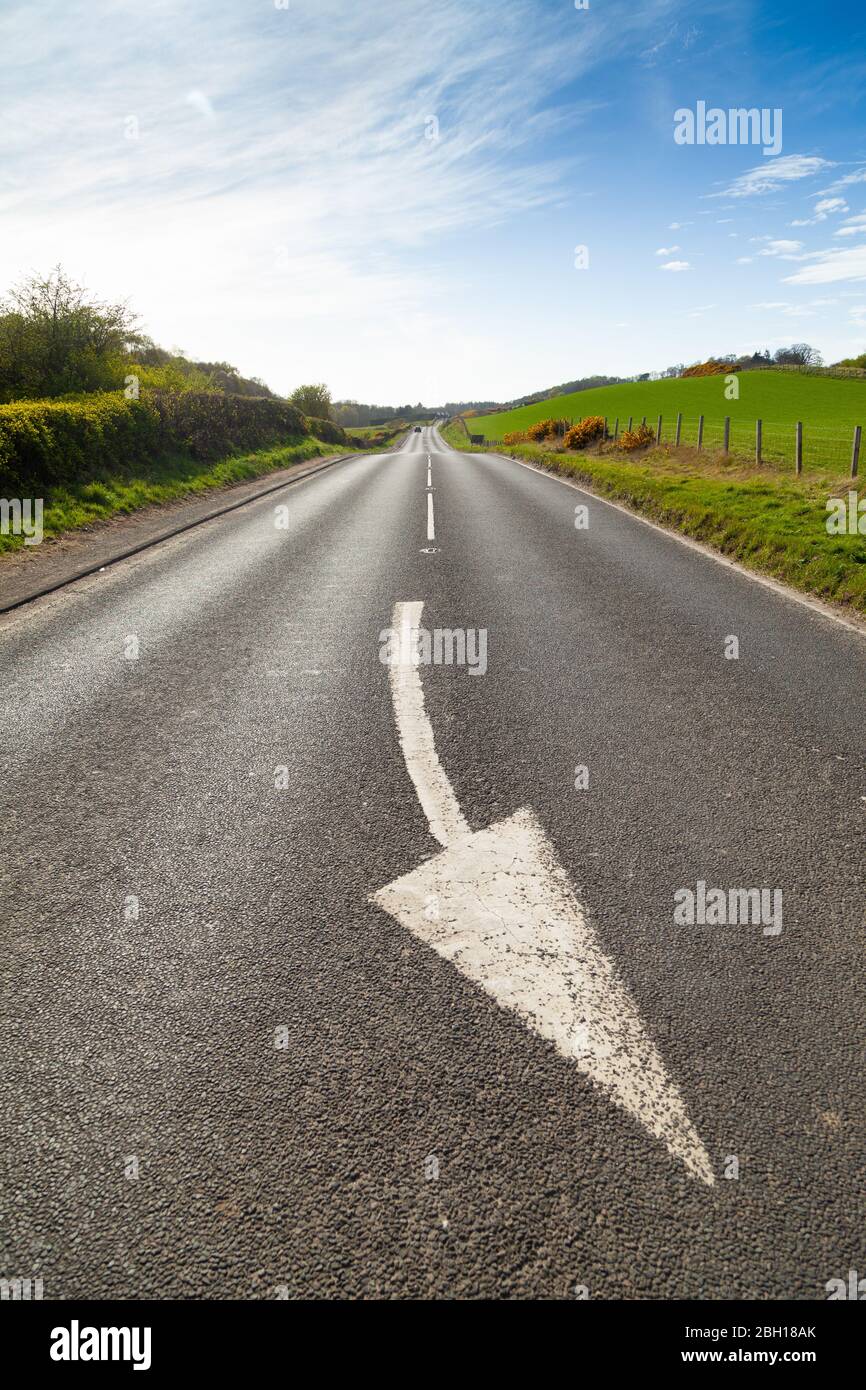
Arrow road markings help drivers understand which direction a lane serves and where they should position themselves. Painted on the road surface, they provide clear guidance at junctions, roundabouts and other places where traffic needs to move safely and predictably.
Recognising these markings in good time can help drivers choose the correct lane, avoid last-minute manoeuvres and follow the intended route. This guide explains the common types of arrow road markings found on UK roads and how to respond to them.
What are arrow road markings?
Arrow road markings are symbols painted on the carriageway to show the direction or directions of travel permitted or expected from a particular lane. They are usually white, although temporary traffic management may use different colours or layouts to distinguish temporary arrangements from permanent markings.
Arrows are often placed in advance of a junction or lane split, giving drivers time to select the right lane. They may also appear more than once as a junction approaches, reinforcing the instruction.
Common types of road arrows
Straight-ahead arrows
A straight-ahead arrow indicates that the lane continues towards the road ahead. Where a lane is marked for straight-ahead travel only, drivers should not use it to turn at the junction. Check the road signs and signals as well, as these may provide further instructions.
Left-turn and right-turn arrows
Left- and right-turn arrows show that a lane is intended for traffic turning in the indicated direction. They are commonly used where several lanes approach a junction, helping to separate turning traffic from vehicles travelling straight on.
Combined arrows
Some arrows show more than one permitted direction, such as straight ahead or left. These markings indicate that drivers in the lane may follow either route, subject to any signs, signals or restrictions at the junction.
Roundabout arrows
Approach lanes to roundabouts may feature arrows to help drivers select a suitable lane for their intended exit. The correct lane can depend on the layout and the signs in place, so read the directions on approach and follow lane markings throughout the roundabout.
Arrows at lane splits and merges
Arrows can also guide traffic where lanes divide, merge or change direction. They help drivers anticipate the road layout and avoid crossing into another lane at the last moment. Always check mirrors and blind spots before changing position.
How to respond to arrow markings
- Look ahead: Scan the road for arrows early, particularly when approaching a busy junction or roundabout.
- Choose your lane in good time: Follow the arrow for your intended route and avoid sudden lane changes.
- Check signs and signals: Road signs, traffic lights and temporary instructions may add to or clarify the information shown by an arrow.
- Follow the lane: Once committed to a lane, continue in the direction it indicates unless an authorised instruction or the road layout requires otherwise.
- Drive to the conditions: Markings can be worn, obscured or difficult to see in poor weather. Reduce speed and take extra care if the route is unclear.
Why clear arrow markings are important
Well-maintained arrows make traffic movements easier to understand. They help reduce hesitation, support orderly queuing and give drivers clearer guidance at complex locations. This is especially useful where several traffic streams meet or where lanes serve different destinations.
Arrow markings also support safer road design by making lane use more apparent. However, they are only one part of the information available to drivers. Signs, signals, road layout and the actions of other road users must all be considered together.
Installation and maintenance
Arrow markings need to be visible, correctly positioned and suitable for the surface and traffic conditions. Over time, vehicle use and weather can cause markings to fade or wear. Regular inspection helps identify where they may need refreshing or replacing.
On public roads, markings are generally installed and maintained by the relevant highway authority or its appointed contractor. Private sites, such as car parks and business premises, may arrange marking work through a specialist contractor. Any work should be planned to suit the site layout, applicable requirements and safe traffic management arrangements.
In summary
Arrow road markings are a simple but important way to guide drivers through junctions, roundabouts and changing lane layouts. By reading them early, choosing the appropriate lane and paying attention to signs and signals, drivers can make their journeys more predictable and safer for everyone on the road.
7 Essential Tips for Navigating Arrow Road Markings Safely
- Follow the arrow for your lane.
- Choose your lane early.
- Turn only where the arrow indicates.
- Use a straight-ahead arrow to continue on.
- Check signs as well as road markings.
- Watch for arrows that allow more than one direction.
- Do not change lanes suddenly near an arrow marking.
Follow the arrow for your lane.
Follow the arrow for your lane to travel in the direction it indicates, whether that is straight ahead, left, right or a combination of directions. Check the markings early and move into the correct lane in good time, rather than making a sudden manoeuvre near the junction. Also pay attention to road signs and traffic signals, which may give additional instructions.
Choose your lane early.
Choose your lane early: Look for arrow road markings as you approach a junction or roundabout, then move into the lane that matches your intended route while there is still time to do so safely. Choosing early helps avoid sudden lane changes, reduces confusion and gives other road users time to anticipate your movements. Always check your mirrors and blind spots before changing lanes, and follow any signs or traffic signals.
Turn only where the arrow indicates.
Turn only in the direction shown by the arrow in your lane. Check the markings as you approach the junction and get into the correct lane in good time. If the arrow points straight ahead, do not turn from that lane; follow the road signs and traffic signals, and never make a sudden manoeuvre to change direction.
Use a straight-ahead arrow to continue on.
A straight-ahead arrow means the lane is for continuing forwards. Stay in the marked lane as you approach the junction, and check nearby signs and traffic signals for any additional instructions. Avoid turning from the lane unless the markings or signs indicate that the turn is permitted.
Check signs as well as road markings.
Always check road signs as well as arrow road markings, particularly when approaching a junction, roundabout or temporary traffic arrangement. Signs and signals may provide extra directions, restrictions or updated information, so do not rely on the painted arrows alone. If instructions appear unclear, slow down, stay alert and follow the safest legal route.
Watch for arrows that allow more than one direction.
Watch for arrows that allow more than one direction, such as straight ahead or left. They indicate that drivers in the lane can follow either route, but always check nearby signs and traffic signals for restrictions, and choose your direction in good time to avoid a sudden manoeuvre.
Do not change lanes suddenly near an arrow marking.
Avoid changing lanes suddenly as you approach an arrow road marking. The arrow indicates the direction of travel for your lane, so check the markings early and move into the correct lane in good time, signalling and checking your mirrors and blind spots before moving. A last-minute manoeuvre can surprise other road users and increase the risk of a collision; if you miss your turn, continue safely and find another route.