
Discovering Accessible Options: Find Disabled Bays Near Me for Convenient Parking
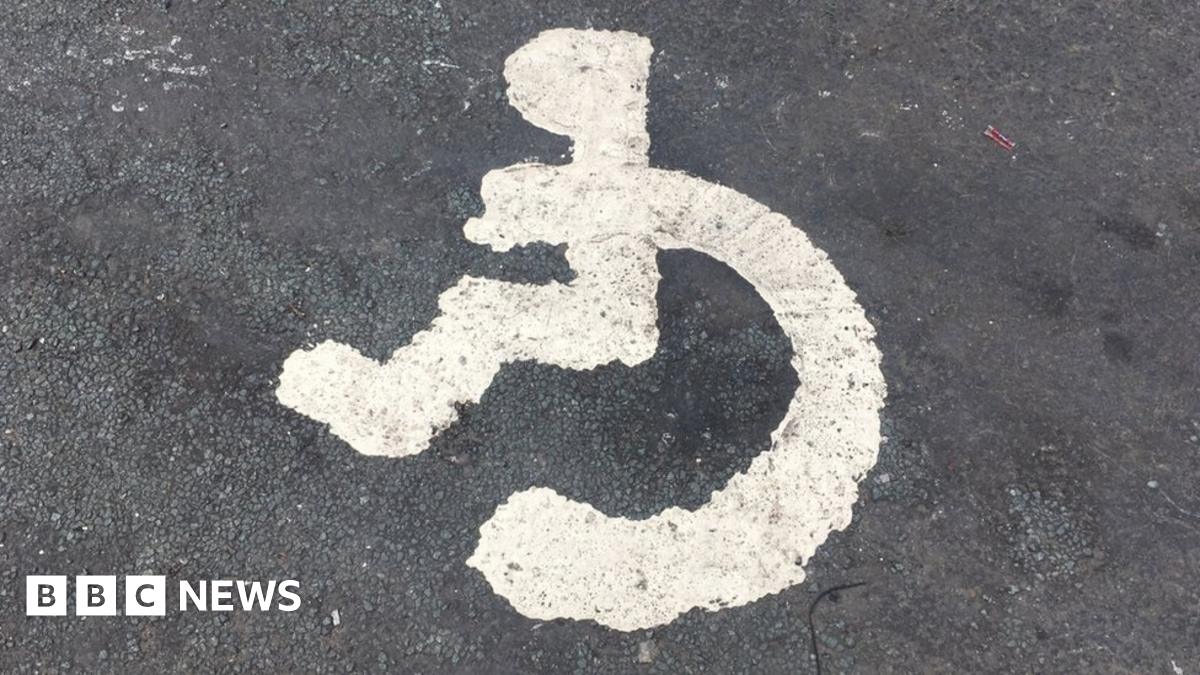
Disabled Bays Near Me: Ensuring Accessibility for All
Accessible parking spaces for disabled individuals, commonly known as disabled bays, play a crucial role in ensuring equal access to public facilities and services. These designated parking spots are specifically reserved for people with disabilities who require additional space and accessibility features to safely enter and exit their vehicles.
When searching for “disabled bays near me,” it is important to consider the convenience and safety of those who rely on these parking spaces. By law, establishments are required to provide a certain number of disabled bays based on their size and purpose to accommodate the needs of disabled visitors or customers.
Having accessible parking spaces near your location can make a significant difference in the daily lives of individuals with disabilities. It allows them to access essential services, attend appointments, and participate in social activities without facing unnecessary barriers or challenges.
Moreover, the presence of well-maintained disabled bays reflects a commitment to inclusivity and diversity within a community. It sends a powerful message that everyone, regardless of their physical abilities, deserves equal opportunities and respect.
If you are a business owner or manager, ensuring that your establishment has adequate disabled bays is not only a legal requirement but also a moral obligation. By providing accessible parking options, you demonstrate your commitment to creating an inclusive environment that values diversity and promotes equality.
In conclusion, “disabled bays near me” are more than just parking spaces – they are symbols of inclusivity, accessibility, and respect for individuals with disabilities. By advocating for the availability and proper maintenance of these designated spots in our communities, we can create a more inclusive society where everyone has the opportunity to participate fully and equally.
Essential FAQs About Disabled Bays: Regulations, Eligibility, and Accessibility
- How many disabled bays are required in a car park?
- Can I park in a disabled bay without a blue badge?
- Are disabled bays enforceable by law?
- Who is eligible to use a disabled bay?
- How do I apply for a blue badge to use disabled bays?
- What should I do if all the disabled bays are occupied?
- How can businesses ensure the accessibility of their disabled bays?
How many disabled bays are required in a car park?
In a car park, the number of disabled bays required is determined by regulations and guidelines set forth by local authorities. The specific requirements may vary depending on the size and capacity of the car park, as well as the type of establishment it serves. Generally, there are legal standards that dictate the minimum number of disabled bays that must be provided to ensure accessibility for individuals with disabilities. These regulations aim to guarantee that there are sufficient parking spaces available for those who require additional space and accessibility features to safely navigate their vehicles. It is essential for car park operators and owners to comply with these requirements to promote inclusivity and accommodate the needs of disabled patrons effectively.
Can I park in a disabled bay without a blue badge?
It is important to note that parking in a disabled bay without a blue badge is generally not permitted. Blue badges are issued to individuals with disabilities or those who care for them, allowing them to park in designated disabled bays. These parking spaces are reserved specifically for individuals with disabilities who require additional accessibility and proximity to facilities. Parking without a blue badge in a disabled bay can result in fines or penalties, as it hinders the availability of these crucial spaces for those who genuinely need them. It is essential to respect and adhere to the rules and regulations regarding disabled bays to ensure equal access and convenience for all individuals with disabilities.
Are disabled bays enforceable by law?
When it comes to disabled bays near me, a frequently asked question is whether these designated parking spaces are enforceable by law. The answer is yes, disabled bays are indeed enforceable by law. In the UK, the provision and maintenance of disabled parking spaces are governed by legislation such as the Equality Act 2010 and the Traffic Signs Regulations and General Directions 2016. These laws require businesses, public facilities, and local authorities to provide a certain number of accessible parking spaces for individuals with disabilities and ensure that these bays are clearly marked and kept available for those who need them. Failure to comply with these regulations can result in penalties or legal action, emphasising the importance of upholding the accessibility rights of disabled individuals through enforceable measures like designated disabled bays.
Who is eligible to use a disabled bay?
In the UK, eligibility to use a disabled bay is typically reserved for individuals who hold a valid Blue Badge parking permit. The Blue Badge scheme is designed to assist people with mobility issues or severe disabilities by providing them with convenient parking options closer to their destinations. To qualify for a Blue Badge, individuals must meet specific criteria set by the government, which may include difficulty walking long distances, being registered blind, or having significant impairments in both arms. It is essential that only those who are legitimately entitled to use disabled bays do so, as these parking spaces are crucial for ensuring accessibility and convenience for those who truly need them.
How do I apply for a blue badge to use disabled bays?
To apply for a blue badge that allows you to use disabled bays, you need to contact your local council or visit their official website for the application process. Blue badges are issued to individuals with disabilities who have difficulty walking or need assistance when travelling. The application typically requires providing relevant personal information, medical documentation, and details about your mobility limitations. Once approved, the blue badge enables you to park in designated disabled bays and access other parking privileges to support your mobility needs. It is essential to follow the guidelines set by your local council to ensure a smooth application process and receive the necessary support for using disabled parking facilities.
What should I do if all the disabled bays are occupied?
When faced with a situation where all the disabled bays are occupied, it is important to remain calm and consider alternative parking options. Firstly, it may be helpful to check if there are any nearby parking spaces designated for disabled individuals in adjacent areas or neighbouring facilities. If no immediate alternatives are available, it is advisable to contact the relevant authorities or the establishment’s management to notify them of the issue. They may be able to assist in finding a suitable parking solution or addressing the lack of available disabled bays. Additionally, planning ahead and allowing extra time for parking can help mitigate potential challenges in finding an accessible parking spot when all designated bays are occupied. Remember, patience and proactive communication can often lead to a resolution in such situations.
How can businesses ensure the accessibility of their disabled bays?
Businesses can ensure the accessibility of their disabled bays by following key guidelines and best practices. Firstly, it is essential to designate an adequate number of parking spaces for disabled individuals based on legal requirements and the size of the establishment. These spaces should be clearly marked with appropriate signage and symbols to indicate their reserved status. Additionally, maintaining proper dimensions, surface markings, and accessibility features such as ramps and designated pathways can further enhance the usability of disabled bays. Regular monitoring and enforcement of these parking spots to prevent misuse by non-disabled drivers also play a crucial role in ensuring that they remain available for those who truly need them. By prioritising the accessibility and maintenance of their disabled bays, businesses can demonstrate their commitment to inclusivity and provide a welcoming environment for all customers and visitors.