
Mastering the Different Crossings Theory Test for Road Safety
The Importance of Understanding Different Crossings Theory for Road Safety
When it comes to road safety, understanding the different types of crossings is essential for both drivers and pedestrians. The theory test for crossings covers various scenarios that road users may encounter, and having a good grasp of this information can help prevent accidents and ensure smooth traffic flow.
Zebra Crossings
One of the most common types of crossings is the zebra crossing, identified by black and white stripes on the road. Drivers must give way to pedestrians waiting to cross or already on the crossing. Understanding the rules around zebra crossings can prevent collisions and protect vulnerable road users.
Pelican Crossings
Pelican crossings are controlled by traffic lights and pedestrian signals. Drivers must stop when the lights turn red and allow pedestrians to cross safely. Knowing how pelican crossings operate can help drivers anticipate when they need to stop and give way.
Toucan Crossings
Toucan crossings are designed for both pedestrians and cyclists to cross together. Drivers should be aware of cyclists using these crossings and give way to them as they would to pedestrians. Understanding toucan crossings can improve safety for all road users.
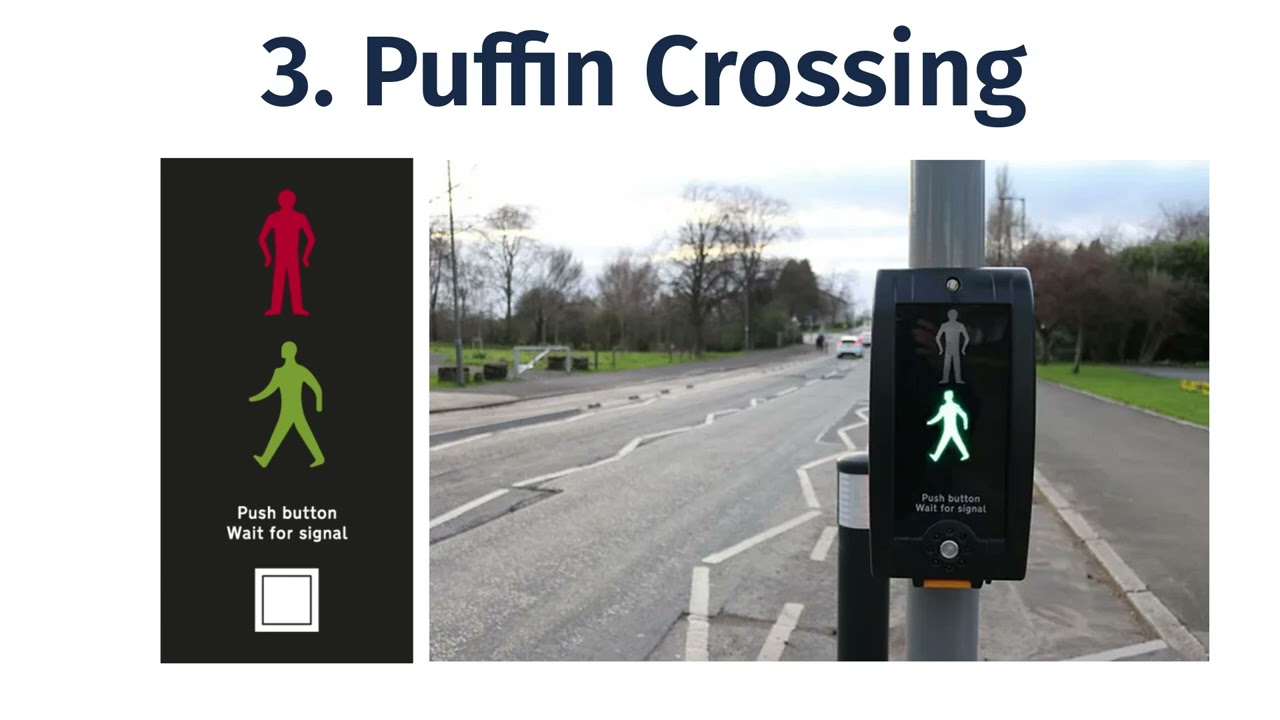
Puffin Crossings
Puffin crossings use sensors to detect when pedestrians are crossing, allowing more flexibility in signal timings. Drivers need to be aware that the red signal may stay on longer if pedestrians are still crossing. Knowing how puffin crossings work can help drivers avoid confusion and potential accidents.
Conclusion
By familiarising yourself with the different types of road crossings and their rules, you can contribute to safer roads for everyone. Whether you are a driver or a pedestrian, understanding crossing theory is crucial for preventing accidents and promoting efficient traffic flow. Take the time to study these concepts before taking your theory test, and remember that road safety is a shared responsibility that we all play a part in maintaining.
Understanding Different Types of Crossings: Key Questions and Answers for the Theory Test
- What is a zebra crossing and how should drivers behave when approaching one?
- What are the rules for pedestrians at a pelican crossing?
- How do toucan crossings differ from other types of crossings?
- What should drivers do when approaching a puffin crossing?
- Are there specific rules for cyclists using toucan crossings?
- Do drivers always have to stop at a pelican crossing?
- Can pedestrians cross at any point on a zebra crossing or only at designated areas?
- How can drivers identify the presence of a puffin crossing ahead?
- Are there penalties for failing to give way to pedestrians at designated crossings?
What is a zebra crossing and how should drivers behave when approaching one?
A zebra crossing is a designated pedestrian crossing marked by black and white stripes on the road. When approaching a zebra crossing, drivers must be prepared to stop and give way to any pedestrians waiting to cross or already on the crossing. It is essential for drivers to slow down, be vigilant, and be ready to come to a complete stop if pedestrians are present or approaching the zebra crossing. Respecting the right of way of pedestrians at zebra crossings is crucial for road safety and helps create a safer environment for all road users.
What are the rules for pedestrians at a pelican crossing?
When approaching a pelican crossing, pedestrians must wait for the green pedestrian signal before starting to cross. They should always check that vehicles have come to a complete stop before stepping onto the crossing. Pedestrians should cross promptly and without lingering once the green signal is displayed to ensure their safety and allow traffic to flow smoothly. It is important for pedestrians to be vigilant and aware of their surroundings, looking out for any vehicles that may not have stopped or are attempting to turn at the crossing. By following these rules at a pelican crossing, pedestrians can safely navigate road crossings and contribute to overall road safety.
How do toucan crossings differ from other types of crossings?
Toucan crossings differ from other types of crossings in that they are designed to accommodate both pedestrians and cyclists crossing together. Unlike traditional crossings that separate pedestrians and cyclists, toucan crossings allow both groups to cross at the same time. This design promotes safer interactions between pedestrians and cyclists, reducing the likelihood of conflicts on the road. Drivers approaching toucan crossings should be aware of this shared usage and give way to both pedestrians and cyclists crossing the road. Understanding the unique features of toucan crossings is important for road users to navigate these crossings safely and efficiently.
What should drivers do when approaching a puffin crossing?
When approaching a puffin crossing, drivers should be prepared to stop if the pedestrian lights are on red. Unlike traditional pedestrian crossings, puffin crossings use sensors to detect pedestrians, so the red signal may stay on longer if someone is still crossing. It’s important for drivers to be attentive and ready to yield to pedestrians until the lights turn green and the crossing is clear. Understanding how puffin crossings work and being aware of pedestrian activity can help drivers navigate these crossings safely and efficiently.
Are there specific rules for cyclists using toucan crossings?
When it comes to cyclists using toucan crossings, there are specific rules that apply to ensure safety and efficiency. At toucan crossings, cyclists are permitted to cross alongside pedestrians, making these crossings unique in accommodating both types of road users. Cyclists should adhere to traffic signals and pedestrian crossing rules when using toucan crossings, ensuring they yield to pedestrians and only proceed when it is safe to do so. Understanding the regulations for cyclists at toucan crossings is crucial for promoting harmony between cyclists, pedestrians, and drivers on the road.
Do drivers always have to stop at a pelican crossing?
In the UK, drivers are required to stop at a pelican crossing when the traffic lights turn red. The red signal indicates that pedestrians have the right of way to cross the road safely. It is important for drivers to adhere to this rule to prevent accidents and ensure the safety of pedestrians using the crossing. Failure to stop at a pelican crossing when the lights are red can result in penalties and endanger the lives of vulnerable road users. Understanding and following the rules regarding pelican crossings is crucial for all drivers to contribute to road safety.
Can pedestrians cross at any point on a zebra crossing or only at designated areas?
In the context of zebra crossings, pedestrians are legally allowed to cross at any point along the crossing. Unlike signal-controlled crossings where pedestrians must adhere to designated areas, zebra crossings provide pedestrians with the freedom to cross anywhere between the black and white stripes. However, it is important for both pedestrians and drivers to exercise caution and mutual respect to ensure a safe crossing experience for all road users. Understanding this distinction is crucial for passing the theory test and promoting road safety awareness in practical scenarios.
How can drivers identify the presence of a puffin crossing ahead?
To identify the presence of a puffin crossing ahead, drivers should look for the distinctive overhead traffic lights mounted on poles above the crossing. Unlike traditional pelican crossings, puffin crossings feature sensors that detect pedestrians on the crossing, allowing for more precise control of the traffic lights. Drivers should also watch out for pedestrian detection cameras and road markings indicating the presence of a puffin crossing. Being aware of these visual cues can help drivers anticipate and respond appropriately to a puffin crossing, ensuring the safety of pedestrians and efficient traffic flow.
Are there penalties for failing to give way to pedestrians at designated crossings?
Failing to give way to pedestrians at designated crossings can result in penalties for drivers. In the UK, it is a legal requirement for drivers to yield to pedestrians who are waiting or crossing at designated crossings such as zebra, pelican, toucan, and puffin crossings. Failure to do so can lead to fines, penalty points on your driving licence, and potentially even court appearances. It is crucial for drivers to understand and adhere to the rules regarding pedestrian priority at crossings to ensure the safety of vulnerable road users and avoid legal consequences.