
Enhancing Road Safety: The Importance of Yellow Lines Painted at Intervals
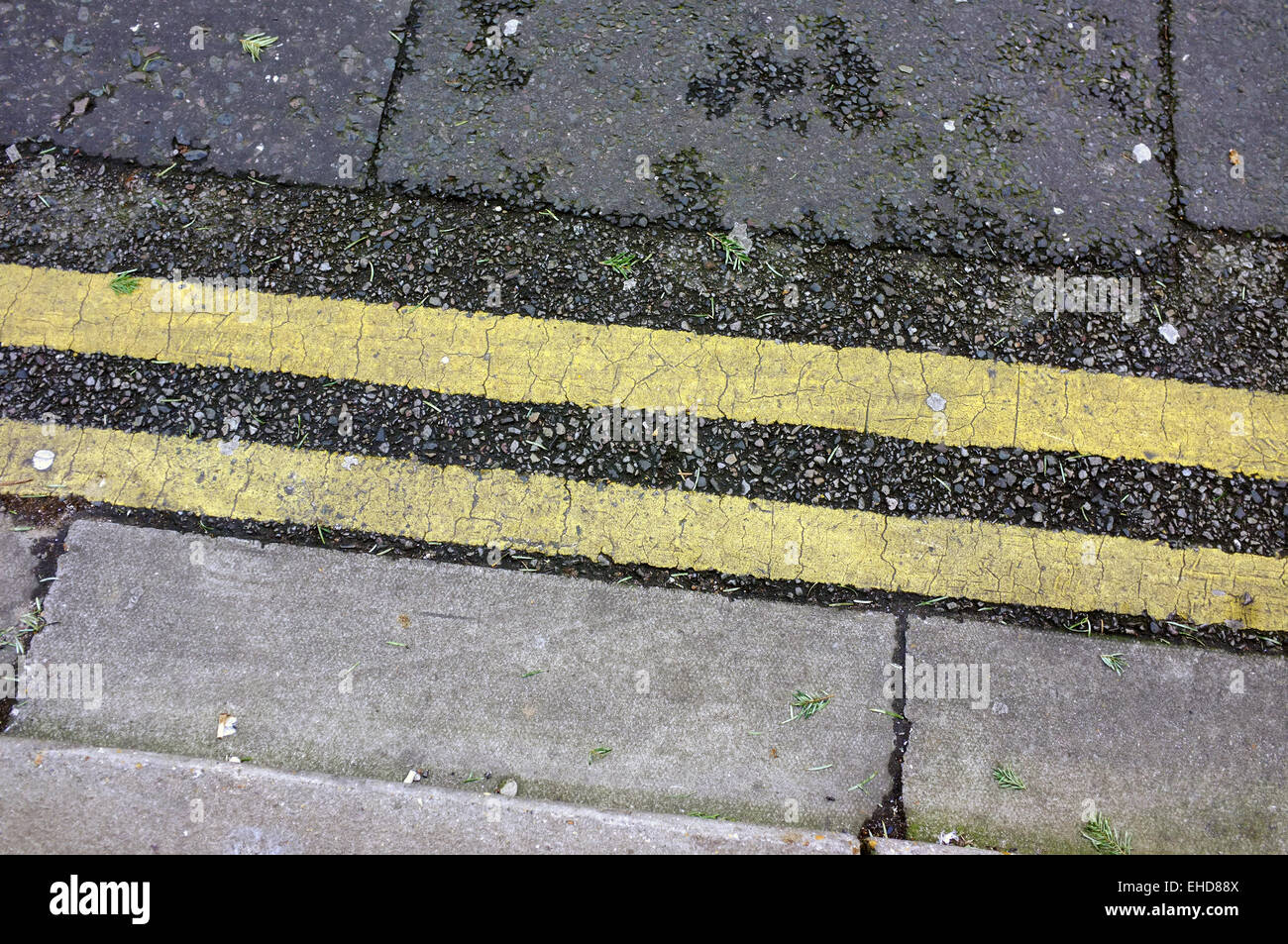
The Importance of Yellow Lines Painted at Intervals on Roads
Yellow lines painted at intervals along roads serve a crucial role in managing traffic flow, ensuring safety, and preventing congestion. These distinctive markings are a common sight on roads and streets in urban areas, guiding drivers on where they can and cannot park.
One of the primary purposes of yellow lines is to indicate restricted parking zones. By painting yellow lines at regular intervals along the kerb or road edge, authorities communicate to drivers that parking is not permitted in those areas. This helps maintain clear sightlines for pedestrians and other road users, as well as ensuring the smooth flow of traffic.
Yellow lines painted at intervals also play a vital role in improving road safety. By designating specific areas where parking is prohibited, these markings help prevent obstructions that could impede emergency vehicles or create hazards for other drivers. In addition, they help reduce the likelihood of accidents by keeping certain areas clear and accessible.
Furthermore, yellow lines painted at intervals contribute to the overall efficiency of road networks. By strategically placing these markings in high-traffic areas or near key locations such as schools, hospitals, and businesses, authorities can better manage parking demand and alleviate congestion. This can lead to smoother traffic flow, reduced delays, and improved accessibility for all road users.
In conclusion, yellow lines painted at intervals serve as an essential tool for regulating parking behaviour, enhancing road safety, and optimising traffic flow. These simple yet effective markings play a significant role in creating orderly and efficient road systems that benefit both motorists and pedestrians alike.
Essential Tips for Navigating Yellow Line Restrictions and Avoiding Penalties
- Yellow lines painted at intervals indicate no waiting or loading at certain times.
- Make sure to check the nearby signs for specific restrictions that apply to the yellow lines.
- Avoid parking on yellow lines during restricted hours to prevent getting a fine or being towed.
- Yellow lines are often used in busy areas to keep traffic flowing smoothly.
- Be aware of any variations in rules for different types of yellow lines, such as single or double yellow lines.
- Remember that parking on double yellow lines is usually prohibited at all times.
- Always leave enough space between your vehicle and the yellow line to avoid penalties.
- If you’re unsure about the rules regarding yellow lines, it’s best to find an alternative parking spot.
- Respect the regulations related to yellow lines to ensure road safety and avoid inconvenience.
Yellow lines painted at intervals indicate no waiting or loading at certain times.
Yellow lines painted at intervals serve as a clear indication that no waiting or loading is allowed during specific times. These markings are strategically placed along roads to communicate to drivers the restrictions on parking in those areas at certain times of the day. By adhering to these regulations and avoiding parking on sections with yellow lines, motorists can help maintain traffic flow, prevent congestion, and ensure the safety and accessibility of the road for all users.
Make sure to check the nearby signs for specific restrictions that apply to the yellow lines.
When encountering yellow lines painted at intervals along roads, it is important to remember to check the nearby signs for specific restrictions that may apply to these markings. While the yellow lines themselves indicate no parking or waiting zones, additional signage in the vicinity may provide further details on time restrictions, loading and unloading rules, or other specific regulations that drivers need to adhere to. By paying attention to and following the information provided on these signs, motorists can ensure compliance with all applicable parking restrictions and contribute to maintaining order and safety on the roads.
Avoid parking on yellow lines during restricted hours to prevent getting a fine or being towed.
To avoid incurring fines or having your vehicle towed, it is advisable to refrain from parking on yellow lines during restricted hours. These intervals are clearly marked to indicate areas where parking is prohibited, ensuring the smooth flow of traffic and maintaining safety on the roads. By adhering to these regulations and avoiding parking on yellow lines when restrictions are in place, drivers can help prevent disruptions, penalties, and potential inconvenience to themselves and other road users.
Yellow lines are often used in busy areas to keep traffic flowing smoothly.
Yellow lines painted at intervals are a common sight in busy areas as they play a key role in maintaining the smooth flow of traffic. By designating specific areas where parking is restricted through the use of yellow lines, authorities help prevent congestion and ensure that vehicles can move freely along the road. This strategic placement of yellow lines not only keeps traffic flowing smoothly but also contributes to overall road safety by reducing obstructions and potential hazards, making navigation easier for drivers in bustling urban environments.
Be aware of any variations in rules for different types of yellow lines, such as single or double yellow lines.
When navigating roads with yellow lines painted at intervals, it is essential to be mindful of any variations in rules that may apply to different types of yellow lines, such as single or double yellow lines. Understanding the distinctions between these markings is crucial, as they often signify different parking restrictions and regulations. Single yellow lines typically indicate restricted parking during specific times or days, while double yellow lines usually signify a complete no-parking zone at all times. By being aware of these differences and adhering to the corresponding rules, drivers can avoid fines, congestion, and potential safety hazards associated with improper parking on yellow-lined roads.
Remember that parking on double yellow lines is usually prohibited at all times.
When it comes to yellow lines painted at intervals, it is important to remember that parking on double yellow lines is typically prohibited at all times. These markings serve as a clear indication that parking is not allowed in those areas, helping to maintain traffic flow and ensure safety on the roads. By adhering to this rule and avoiding parking on double yellow lines, drivers can contribute to smoother traffic movement and minimise potential disruptions for other road users.
Always leave enough space between your vehicle and the yellow line to avoid penalties.
To adhere to the regulations regarding yellow lines painted at intervals, it is advisable to ensure that there is sufficient space between your vehicle and the yellow line. By maintaining a safe distance, you can avoid penalties and ensure compliance with parking restrictions. This simple practice not only helps in preventing fines but also contributes to the smooth flow of traffic, enhances road safety, and demonstrates responsible parking behaviour. Remembering to leave enough space between your vehicle and the yellow line is a small yet important step towards promoting orderliness on the roads and respecting parking regulations.
If you’re unsure about the rules regarding yellow lines, it’s best to find an alternative parking spot.
When faced with uncertainty regarding the regulations concerning yellow lines painted at intervals, it is advisable to seek an alternative parking location. Parking in areas marked with yellow lines without a clear understanding of the restrictions can lead to fines, obstruction of traffic flow, and potential safety hazards. By erring on the side of caution and finding a different parking spot where the rules are known and adhered to, drivers can avoid unnecessary complications and contribute to a safer and more orderly road environment.
Respect the regulations related to yellow lines to ensure road safety and avoid inconvenience.
Respecting the regulations concerning yellow lines painted at intervals is crucial to ensuring road safety and preventing inconvenience for all road users. By adhering to these markings and refraining from parking in restricted areas, drivers can help maintain clear sightlines, prevent traffic congestion, and reduce the risk of accidents. Following the guidelines set out by yellow lines not only promotes orderliness on the roads but also contributes to a smoother and safer driving experience for everyone.