
Understanding the Importance of No Overtaking Road Markings
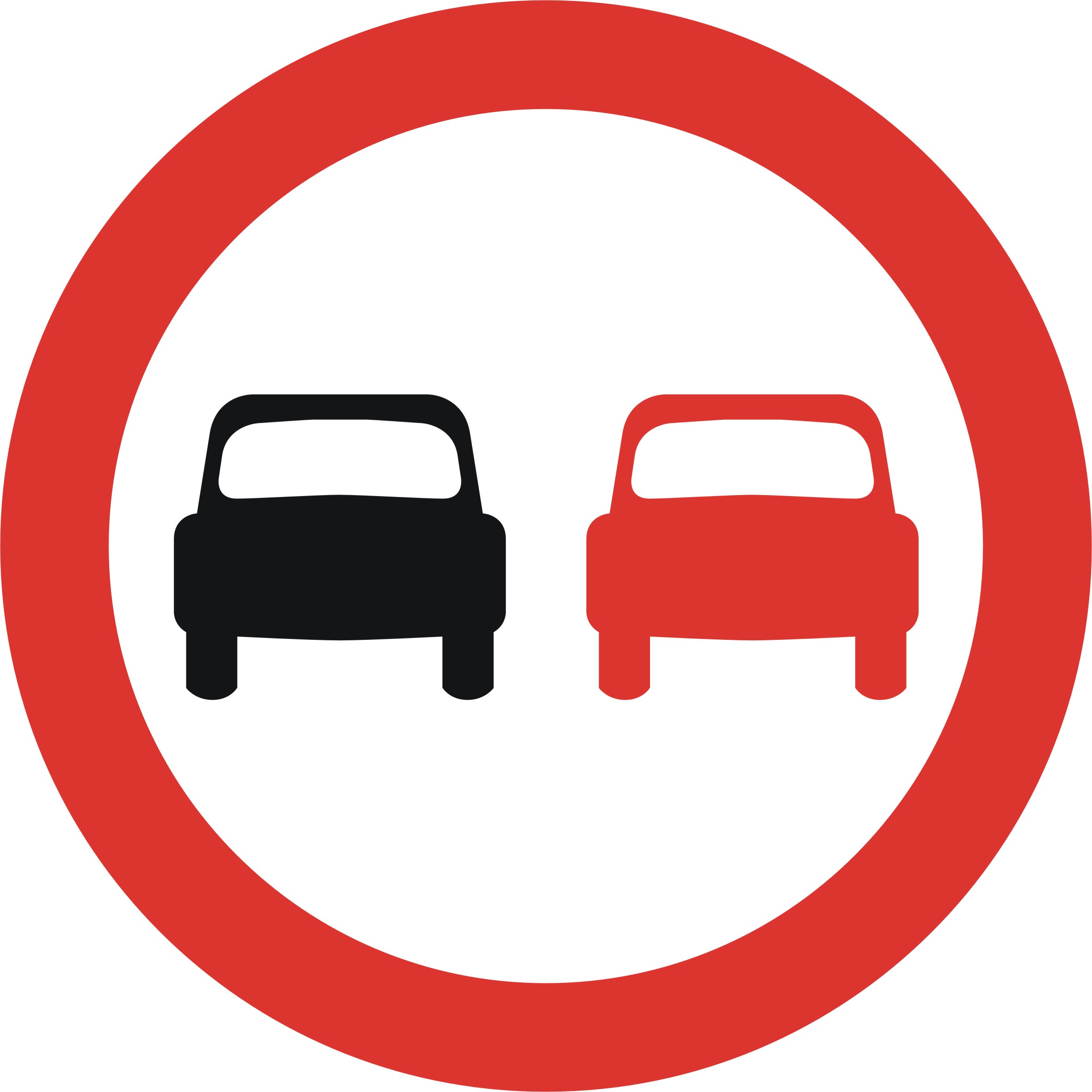
The Importance of No Overtaking Road Markings
No overtaking road markings play a crucial role in ensuring safety on our roads. These markings are designed to indicate sections of road where overtaking is prohibited, helping to prevent accidents and promote smoother traffic flow.
What Are No Overtaking Road Markings?
No overtaking road markings typically consist of solid white lines painted on the road surface. These lines are placed in areas where it is unsafe or illegal to overtake other vehicles. Drivers are required to adhere to these markings and refrain from overtaking until it is safe and legal to do so.
The Purpose of No Overtaking Markings
By clearly demarcating sections of road where overtaking is not permitted, these markings help to reduce the risk of head-on collisions, especially on narrow or winding roads. They also help to maintain a steady traffic flow by preventing reckless overtaking manoeuvres that can lead to congestion and delays.
Compliance with No Overtaking Markings
It is essential for drivers to obey no overtaking road markings at all times. Disregarding these markings not only puts the driver at risk but also endangers other road users. Failure to comply with these regulations can result in fines, penalty points on your licence, or even more serious consequences in the event of an accident.
Conclusion
No overtaking road markings serve as a visual reminder for drivers to exercise caution and consideration for others on the road. By respecting these markings and following traffic regulations, we can all contribute to creating safer and more efficient journeys for everyone.
Enhancing Road Safety and Efficiency: The Benefits of No Overtaking Road Markings
- Enhance road safety by preventing risky overtaking manoeuvres
- Reduce the risk of head-on collisions on narrow or winding roads
- Promote smoother traffic flow and reduce congestion
- Provide clear guidance to drivers on where overtaking is prohibited
- Help maintain a steady speed limit and improve overall road efficiency
- Encourage compliance with traffic regulations and promote responsible driving behaviour
- Minimise the likelihood of accidents caused by reckless overtaking
- Contribute to a safer road environment for all road users
Challenges and Drawbacks of No Overtaking Road Markings: A Closer Look
- May lead to frustration for drivers behind slower-moving vehicles.
- Could result in increased tailgating and aggressive driving behaviour.
- May cause delays for drivers who are unable to overtake legally.
- Can be challenging for emergency vehicles or public transport trying to navigate through traffic.
- Limits driver flexibility in choosing overtaking opportunities, potentially affecting journey times.
- May not always be clearly visible or well-maintained, leading to confusion among drivers.
- Can create bottlenecks and congestion on busy roads, especially during peak traffic hours.
Enhance road safety by preventing risky overtaking manoeuvres
No overtaking road markings play a vital role in enhancing road safety by effectively preventing risky overtaking manoeuvres. By clearly indicating sections of the road where overtaking is prohibited, these markings help to reduce the chances of dangerous overtaking attempts that can lead to accidents and collisions. Drivers are reminded to exercise caution and adhere to traffic regulations, ultimately promoting a safer environment for all road users.
Reduce the risk of head-on collisions on narrow or winding roads
No overtaking road markings play a crucial role in reducing the risk of head-on collisions on narrow or winding roads. By clearly indicating sections where overtaking is prohibited, these markings help to prevent dangerous situations where vehicles attempt to pass each other in limited space. This restriction promotes safer driving practices and minimises the likelihood of accidents that could result in severe injuries or fatalities. Adhering to these markings is essential for maintaining road safety and ensuring a smooth flow of traffic, particularly in challenging road conditions.
Promote smoother traffic flow and reduce congestion
No overtaking road markings play a vital role in promoting smoother traffic flow and reducing congestion on our roads. By clearly indicating where overtaking is prohibited, these markings help prevent unnecessary lane changes and risky manoeuvres that can disrupt the flow of traffic. As drivers adhere to these regulations, they contribute to a more orderly and efficient movement of vehicles, ultimately leading to fewer delays and a safer driving experience for all road users.
Provide clear guidance to drivers on where overtaking is prohibited
No overtaking road markings provide clear guidance to drivers on where overtaking is prohibited, ensuring that motorists are aware of sections of the road where it is unsafe or illegal to overtake other vehicles. By clearly demarcating these areas with solid white lines, drivers are reminded to exercise caution and adhere to traffic regulations, ultimately enhancing road safety for all road users. This proactive measure helps prevent dangerous overtaking manoeuvres and reduces the risk of accidents, promoting a safer and more orderly flow of traffic on our roads.
Help maintain a steady speed limit and improve overall road efficiency
No overtaking road markings help maintain a steady speed limit and improve overall road efficiency by reducing the likelihood of abrupt lane changes and sudden accelerations associated with overtaking manoeuvres. By promoting a more consistent flow of traffic, these markings contribute to smoother driving conditions, minimise congestion, and enhance the overall efficiency of the road network. Drivers adhering to these markings can experience safer and more predictable journeys while collectively benefiting from improved traffic management on our roads.
Encourage compliance with traffic regulations and promote responsible driving behaviour
No overtaking road markings serve as a powerful tool to encourage compliance with traffic regulations and promote responsible driving behaviour. By clearly indicating where overtaking is prohibited, these markings help drivers understand and respect the rules of the road. This not only enhances safety for all road users but also fosters a culture of responsible driving, where motorists are more likely to make informed decisions and adhere to established traffic laws. Ultimately, the presence of no overtaking road markings contributes to a safer and more orderly road environment by encouraging drivers to act responsibly and considerately while behind the wheel.
Minimise the likelihood of accidents caused by reckless overtaking
No overtaking road markings play a vital role in minimising the likelihood of accidents caused by reckless overtaking. By clearly indicating sections of road where overtaking is prohibited, these markings help to deter drivers from making dangerous manoeuvres that could lead to collisions. This proactive measure promotes safer driving practices and reduces the risk of accidents, ultimately contributing to improved road safety for all users.
Contribute to a safer road environment for all road users
No overtaking road markings significantly contribute to creating a safer road environment for all road users. By clearly indicating areas where overtaking is prohibited, these markings help reduce the risk of dangerous overtaking manoeuvres that can lead to accidents and collisions. This proactive measure promotes better traffic flow and minimises the likelihood of conflicts between vehicles, ultimately enhancing safety on the roads for drivers, pedestrians, and cyclists alike.
May lead to frustration for drivers behind slower-moving vehicles.
One potential downside of no overtaking road markings is that they may lead to frustration for drivers behind slower-moving vehicles. When overtaking is prohibited in certain sections of the road, drivers may find themselves stuck behind slower vehicles, unable to pass them until reaching a designated overtaking zone. This situation can result in impatience, increased stress levels, and potentially risky driving behaviour as some drivers may attempt dangerous manoeuvres to overtake. Frustration among drivers can also contribute to road rage incidents and compromise overall road safety if not managed effectively.
Could result in increased tailgating and aggressive driving behaviour.
The implementation of no overtaking road markings, while essential for safety reasons, could inadvertently lead to increased tailgating and aggressive driving behaviour. When drivers are unable to overtake slower vehicles due to these markings, they may become frustrated and resort to tailgating in an attempt to pressure the vehicle in front to speed up or change lanes. This aggressive driving behaviour not only poses risks of rear-end collisions but also contributes to a hostile driving environment on the road. It is important for road authorities to consider strategies to address such behaviours while maintaining road safety standards.
May cause delays for drivers who are unable to overtake legally.
One potential drawback of no overtaking road markings is that they may cause delays for drivers who are unable to overtake legally. In situations where a slower-moving vehicle is ahead and there are no opportunities to overtake due to the presence of these markings, drivers may find themselves stuck behind the slower vehicle for an extended period. This can be frustrating for drivers, especially on long journeys or when running behind schedule. The inability to overtake legally in such circumstances may lead to increased congestion and impede the smooth flow of traffic, resulting in delays for all road users.
Can be challenging for emergency vehicles or public transport trying to navigate through traffic.
One significant drawback of no overtaking road markings is that they can pose challenges for emergency vehicles or public transport trying to navigate through traffic. In situations where these vehicles need to pass slower-moving traffic quickly, the restriction on overtaking can hinder their ability to respond swiftly to emergencies or maintain efficient schedules. This limitation underscores the importance of balancing road safety measures with the need for emergency services and public transport to manoeuvre effectively on our roads.
Limits driver flexibility in choosing overtaking opportunities, potentially affecting journey times.
One drawback of no overtaking road markings is that they limit driver flexibility in choosing overtaking opportunities, which can potentially affect journey times. In situations where road conditions and traffic allow for safe overtaking, drivers may be restricted by these markings, leading to frustration and longer travel durations. This limitation on driver choice can result in increased congestion and slower progress on the roads, impacting not only individual journey times but also overall traffic flow efficiency.
May not always be clearly visible or well-maintained, leading to confusion among drivers.
One significant drawback of no overtaking road markings is that they may not always be clearly visible or well-maintained, which can result in confusion among drivers. Faded or obscured markings can make it challenging for motorists to discern where overtaking is prohibited, potentially leading to risky manoeuvres and increased road safety hazards. In such instances, drivers may inadvertently violate the no overtaking rule due to the lack of clear guidance, highlighting the importance of regular maintenance and visibility checks for these crucial road markings.
Can create bottlenecks and congestion on busy roads, especially during peak traffic hours.
No overtaking road markings, while crucial for safety, can inadvertently contribute to bottlenecks and congestion on busy roads, particularly during peak traffic hours. By restricting overtaking in certain sections, these markings can lead to a build-up of vehicles behind slower-moving traffic, causing delays and frustration for drivers. This congestion can impede the smooth flow of traffic and result in longer travel times for commuters. Balancing the need for safety with the efficient movement of vehicles is essential to mitigate the negative impact of no overtaking road markings on overall traffic flow.