
Enhancing Road Safety with Yellow Line Marking Paint
The Importance of Yellow Line Marking Paint on Roads
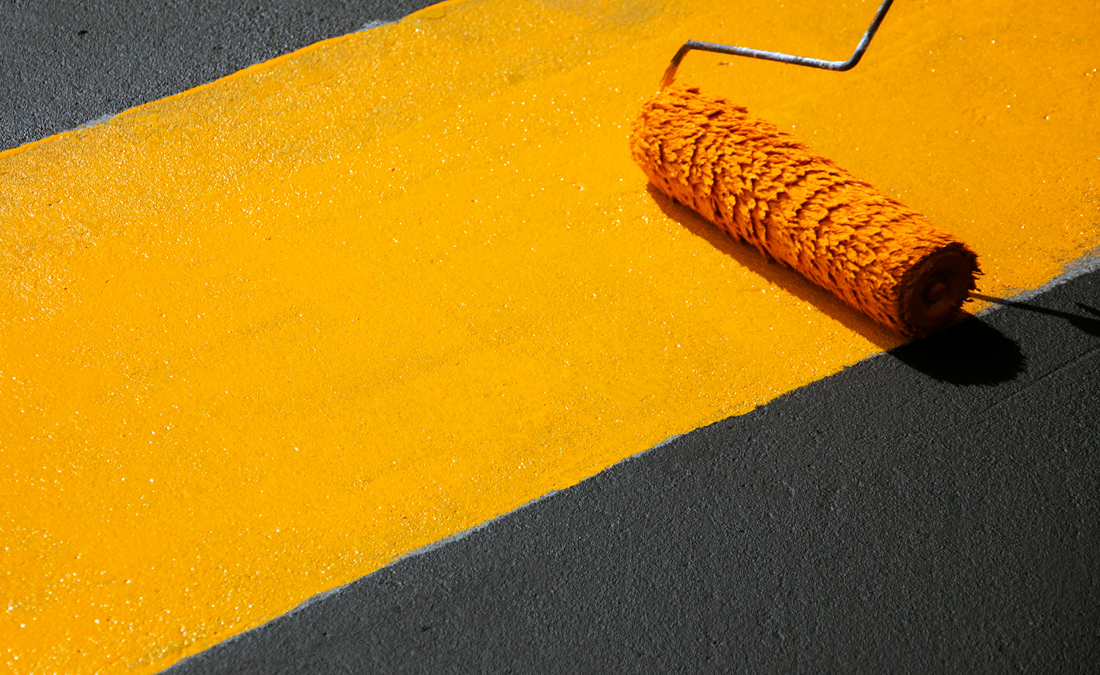
Yellow line marking paint plays a crucial role in ensuring safety and order on roads and highways. These bright yellow lines are not just a visual aid but serve as a vital communication tool for drivers, pedestrians, and cyclists alike.
Enhancing Visibility and Clarity
The vibrant yellow colour of the road markings stands out against the asphalt, making them easily visible even in low light conditions or poor weather. This high visibility helps drivers to stay within their lanes, navigate intersections, and avoid potential hazards.
Indicating Restrictions and Regulations
Yellow lines are commonly used to denote specific restrictions or regulations on the road. For example, double yellow lines typically indicate no parking zones where stopping is strictly prohibited. Single yellow lines may indicate restricted parking hours or loading/unloading zones.
Improving Traffic Flow
By clearly delineating lanes and parking areas with yellow line marking paint, traffic flow can be significantly improved. Drivers can better understand where they are allowed to park or overtake, reducing congestion and minimising the risk of accidents due to confusion or misinterpretation of road markings.
Maintenance and Durability
Quality yellow line marking paint is designed to withstand heavy traffic, harsh weather conditions, and regular wear and tear. Regular maintenance and repainting of yellow lines are essential to ensure their effectiveness in guiding road users safely.
Conclusion
In conclusion, yellow line marking paint plays a vital role in maintaining order, safety, and efficiency on our roads. By investing in high-quality materials and proper application techniques for these markings, authorities can create a safer environment for all road users.
Benefits of Yellow Line Marking Paint: Enhancing Visibility, Safety, and Traffic Flow on Roads
- Enhances visibility for drivers, pedestrians, and cyclists on roads.
- Clearly indicates parking restrictions and regulations to prevent violations.
- Improves traffic flow by delineating lanes and parking areas effectively.
- Helps reduce accidents by providing clear guidance to road users.
- Resistant to wear and tear, ensuring long-lasting durability on roads.
- Contributes to overall road safety and orderliness for all users.
Challenges of Yellow Line Marking Paint: Aesthetic Limitations, Driver Confusion, Maintenance Needs, and Weather Visibility Issues
- Limited aesthetic appeal, as yellow lines are primarily functional and may not enhance the visual appeal of the road.
- Potential confusion for drivers unfamiliar with the specific meanings of different types of yellow lines.
- Over time, yellow line marking paint can fade or wear off, requiring regular maintenance and repainting.
- In certain weather conditions, such as heavy rain or snow, yellow lines may become less visible, impacting their effectiveness.
Enhances visibility for drivers, pedestrians, and cyclists on roads.
Enhancing visibility for drivers, pedestrians, and cyclists on roads is a key benefit of yellow line marking paint. The bright and distinct colour of the yellow lines stands out against the road surface, making them easily noticeable to all road users. This increased visibility helps drivers stay within their lanes, pedestrians navigate crossings safely, and cyclists understand designated areas, ultimately contributing to improved safety and smoother traffic flow on our roadways.
Clearly indicates parking restrictions and regulations to prevent violations.
One of the key advantages of yellow line marking paint is its ability to clearly indicate parking restrictions and regulations, thus helping to prevent violations. By using distinct yellow lines in designated areas, drivers are easily informed about where parking is prohibited or restricted. This clear visual cue not only helps drivers adhere to the rules but also aids in maintaining traffic flow and ensuring safety on the roads by reducing instances of illegal parking.
Improves traffic flow by delineating lanes and parking areas effectively.
Yellow line marking paint plays a crucial role in improving traffic flow by effectively delineating lanes and parking areas. By clearly defining these spaces, drivers are able to navigate the road with greater ease and understanding, reducing congestion and potential conflicts. The distinct yellow lines help drivers stay within their designated lanes, park in designated areas, and make informed decisions while on the road, ultimately contributing to a smoother and more efficient flow of traffic for everyone on the road.
Helps reduce accidents by providing clear guidance to road users.
Yellow line marking paint serves as a crucial tool in reducing accidents by offering clear guidance to road users. With its bright yellow colour standing out against the road surface, these markings effectively delineate lanes, parking areas, and other traffic regulations. By providing clear visual cues to drivers, pedestrians, and cyclists, yellow line markings help enhance road safety and minimise the risk of collisions or confusion on the roads. The clarity and visibility offered by these markings contribute significantly to accident prevention and overall traffic management.
Resistant to wear and tear, ensuring long-lasting durability on roads.
Yellow line marking paint’s resilience against wear and tear is a significant advantage that guarantees long-lasting durability on roads. This quality ensures that the markings maintain their clarity and effectiveness over time, even in high-traffic areas. By withstanding the rigours of daily use and exposure to the elements, yellow line marking paint helps to sustain road safety standards and traffic organisation for extended periods, reducing the need for frequent repainting and maintenance.
Contributes to overall road safety and orderliness for all users.
Yellow line marking paint significantly contributes to enhancing overall road safety and orderliness for all users. By clearly defining lanes, parking areas, and restrictions with bright yellow markings, road users can navigate the roads more safely and efficiently. The visual cues provided by yellow lines help drivers stay in their lanes, understand parking regulations, and anticipate potential hazards, ultimately reducing the risk of accidents and promoting a smoother flow of traffic. This proactive measure not only improves safety but also fosters a sense of orderliness that benefits all individuals using the road network.
Limited aesthetic appeal, as yellow lines are primarily functional and may not enhance the visual appeal of the road.
One notable drawback of yellow line marking paint is its limited aesthetic appeal. Yellow lines are predominantly functional in nature, serving as clear indicators for traffic regulations and safety measures. However, due to their utilitarian purpose, they may not contribute significantly to enhancing the visual appeal of the road. This lack of aesthetic value can be a downside for urban areas or scenic routes where visual harmony and aesthetics are also important considerations alongside functionality.
Potential confusion for drivers unfamiliar with the specific meanings of different types of yellow lines.
Potential confusion for drivers unfamiliar with the specific meanings of different types of yellow lines can pose a significant con of yellow line marking paint. In areas where various types of yellow lines are used to indicate different restrictions or regulations, drivers who are not well-versed in the meanings may inadvertently violate traffic rules, leading to fines or safety hazards. Clear education and signage explaining the significance of each type of yellow line can help mitigate this issue and ensure that road users understand and adhere to the intended regulations.
Over time, yellow line marking paint can fade or wear off, requiring regular maintenance and repainting.
Over time, one significant drawback of yellow line marking paint is its tendency to fade or wear off, necessitating frequent maintenance and repainting. This gradual deterioration of the paint can compromise the clarity and visibility of the road markings, potentially leading to confusion among drivers and pedestrians. Regular upkeep and repainting schedules are essential to ensure that yellow lines remain distinct and effective in guiding traffic flow and enforcing road regulations. Failure to address this issue promptly can result in reduced safety on roads and highways.
In certain weather conditions, such as heavy rain or snow, yellow lines may become less visible, impacting their effectiveness.
In certain adverse weather conditions, such as heavy rain or snow, yellow line marking paint may face the con of reduced visibility, potentially impacting their effectiveness in guiding road users. The accumulation of water or snow on the road surface can obscure the bright yellow lines, making it challenging for drivers to discern lane boundaries and parking restrictions. To address this issue, regular maintenance and prompt repainting of yellow lines are essential to ensure optimal visibility and safety on the roads, especially during inclement weather conditions.